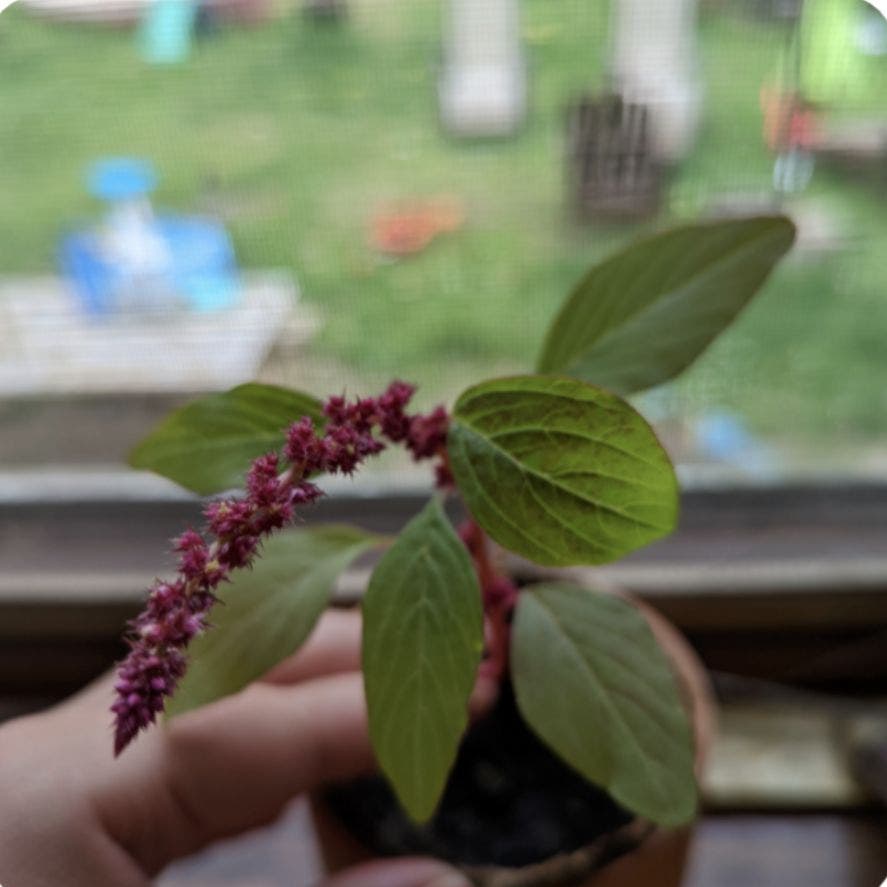
❤️ Ultimate Guide to Love-Lies-Bleeding Roots
Amaranthus caudatus
By the Greg Editorial Team
Oct 16, 2024•6 min read
This article was created with the help of AI so we can cover more plants for you. May contain errors. See one? Report it here.
- 🌱 Love-lies-bleeding roots adapt to various soil types for optimal growth.
- 💧 Consistent moisture is vital; avoid waterlogging to prevent root suffocation.
- 🔍 Healthy roots are firm and light-colored, indicating vitality and resilience.
Root System Characteristics
Type of Root System 🌱
Love-lies-bleeding primarily features a fibrous root system. This means it has a dense network of thin roots that spread horizontally, allowing the plant to efficiently absorb nutrients and water.
Compared to taproot systems, fibrous roots offer significant advantages. They excel in nutrient uptake and provide better drought resilience, making them ideal for various growing conditions.
Specific Characteristics 🌍
One of the standout traits of love-lies-bleeding roots is their adaptability to different soil types. Whether in sandy, loamy, or clay soils, these roots can thrive.
Additionally, they possess the ability to penetrate compacted soils, which is crucial for accessing nutrients and moisture. Interestingly, there are variations in root characteristics between the red and green forms of the plant, showcasing their unique adaptations.
Understanding these root system characteristics is essential for effective care and cultivation. They lay the groundwork for how the plant interacts with its environment and responds to stressors.
As we delve deeper into root depth and spread, we’ll explore how these characteristics influence overall plant health and growth.
Root Depth and Spread
🌱 Typical Root Depth and Spread
The root system of Love-Lies-Bleeding typically reaches an average depth of 12-24 inches (30-60 cm). In well-drained soils, these roots can spread horizontally up to 3 feet (90 cm), allowing the plant to access nutrients and moisture efficiently.
📈 Growth Patterns
Love-Lies-Bleeding exhibits seasonal growth patterns, with active growth occurring primarily in spring and summer. During this time, flowering spikes emerge, influencing root development by reallocating nutrients to support blooming, which is crucial for the plant's overall health and vitality.
Understanding these root characteristics can significantly enhance your gardening success. With the right care, you can ensure your Love-Lies-Bleeding thrives, leading us to explore how to properly water and fertilize these unique plants.
Watering and Fertilizing
🌱 How Root System Affects Watering Needs
Watering your Love-Lies-Bleeding roots requires a delicate balance. Consistent moisture is crucial, but avoid waterlogging, which can suffocate the roots.
Deep roots enhance drought tolerance, allowing the plant to tap into moisture reserves during dry spells. This resilience means you can enjoy a thriving plant even when conditions aren't perfect.
🧪 Fertilization Techniques Tailored to Root Health
For optimal root growth, use fertilizers with balanced NPK ratios. This ensures your plant receives the essential nutrients it needs to flourish.
Timing is everything when it comes to fertilization. Apply nutrients during the active growth phases in spring and summer for the best results. This approach supports robust root development and overall plant health.
With proper watering and fertilizing techniques, your Love-Lies-Bleeding roots will thrive, setting the stage for vibrant growth and resilience. Next, let’s explore common root-related issues that can affect your plant’s health.
Common Root-Related Issues
🕵️ Identifying Root Rot and Other Problems
Root rot is a sneaky problem that can devastate your Love-Lies-Bleeding plants. Look for signs like wilting, yellowing leaves, and mushy roots—these are clear indicators that something's off.
Other issues can also plague your plants. Compacted soil can restrict root growth, while pest infestations may damage roots and hinder nutrient uptake. Keep an eye out for these common culprits.
🛠️ Tips for Prevention and Solutions
Preventing root rot starts with the right soil. Ensure you use well-draining soil and adopt proper watering techniques to keep your plants healthy.
If you encounter problems, don’t fret. Solutions include repotting your plant, amending the soil, and using fungicides to combat pests and diseases. Taking these steps can help restore your plant’s vitality and keep it thriving.
Indicators of Root Health
👀 Visual Cues for Healthy Roots
Healthy roots are a gardener's best friend. Look for roots that are firm and exhibit a white or light tan color, indicating vitality and strength.
A robust network of roots is another sign of good health. When your plant shows increased height and lush leaf production, it's a clear indicator that the roots are thriving.
🚩 Signs of Unhealthy Roots
Unhealthy roots can spell trouble for your plant. Dark, mushy roots are a red flag, often signaling rot or disease.
Additionally, if you notice stunted growth, leaf drop, or discoloration, these symptoms suggest that your plant is under stress. Addressing these issues promptly can help restore your plant's health.
Understanding these indicators is crucial for maintaining a vibrant garden. By keeping an eye on root health, you can ensure your plants remain resilient against various stress factors.
Rootbound Plants
Definition and Recognition 🌱
Rootbound plants occur when roots circle the pot, restricting growth and nutrient uptake. This condition often leads to slowed growth and visible roots pushing through drainage holes.
Solutions for Rootbound Plants 🛠️
Knowing when to intervene is crucial for maintaining plant health. If you notice signs of being rootbound, it’s time to consider repotting or dividing.
Step-by-Step Repotting Process
- Choose a Pot: Select a new pot that is 1-2 inches larger in diameter.
- Remove the Plant: Gently take the plant out of its current pot, being careful not to damage the roots.
- Loosen Roots: If roots are tightly circling, loosen them and trim any that are excessively long or damaged.
- Replant: Place the plant in the new pot with fresh soil and water it thoroughly.
By following these steps, you can help your plant thrive and prevent the stress associated with being rootbound. This proactive approach not only enhances growth but also ensures your plant remains healthy and vibrant.
Understanding how to manage rootbound conditions is essential for any plant enthusiast. Next, let’s explore propagation and division techniques to further enhance your gardening skills.
Propagation and Division
Importance of Root Health in Propagation 🌱
Healthy roots are crucial for successful propagation. They ensure that new plants are vigorous and ready to thrive in their new environments.
Timing is also key. Propagation is best done during active growth phases, typically in spring or early summer, when the plant is most resilient.
Techniques for Dividing ✂️
Dividing your Love-Lies-Bleeding roots can rejuvenate the plant and promote healthy growth. Here’s a straightforward step-by-step process to guide you through:
- Select a mature plant with multiple stems to ensure successful division.
- Carefully dig up the plant, taking care to preserve as many roots as possible. This minimizes shock and promotes quicker recovery.
- Divide the root ball into sections, ensuring each section has both roots and stems. This is essential for the new plants to establish themselves.
- Replant immediately in suitable soil and water well. This helps the new divisions settle in and encourages new growth.
By following these steps, you can effectively propagate and divide your Love-Lies-Bleeding plants, ensuring they continue to flourish.
Understanding these techniques not only enhances your gardening skills but also deepens your connection with these beautiful plants. Next, let’s explore how to identify root health indicators to keep your plants thriving.
⚠️ Safety First
This content is for general information and may contain errors, omissions, or outdated details. It is not medical, veterinary advice, or an endorsement of therapeutic claims.
Always consult a qualified healthcare professional before using any plant as food, medicine, or supplement.
Never eat any plant (or feed one to pets) without confirming its identity with at least two trusted sources.
If you suspect poisoning, call Poison Control (800) 222-1222, the Pet Poison Helpline (800) 213-6680, or your local emergency service immediately.
Spotted an error? Please report it here.
Unlock the secret to thriving Love-lies-bleeding roots 🌿 with Greg's tailored watering and fertilization reminders, ensuring your plants flourish in any soil and season!