❤️ How to Get Your Love-Lies-Bleeding to Bloom
Amaranthus caudatus
By the Greg Editorial Team
Oct 16, 2024•4 min read
This article was created with the help of AI so we can cover more plants for you. May contain errors. See one? Report it here.
- 🌸 Love-Lies-Bleeding blooms from late summer to early fall, lasting 4-6 weeks.
- ☀️ Ensure 6-8 hours of sunlight daily for optimal flower production and health.
- 🌱 Consistent watering and balanced fertilization are key to encouraging vibrant blooms.
Flowering Status
Clarification on Flower Production 🌸
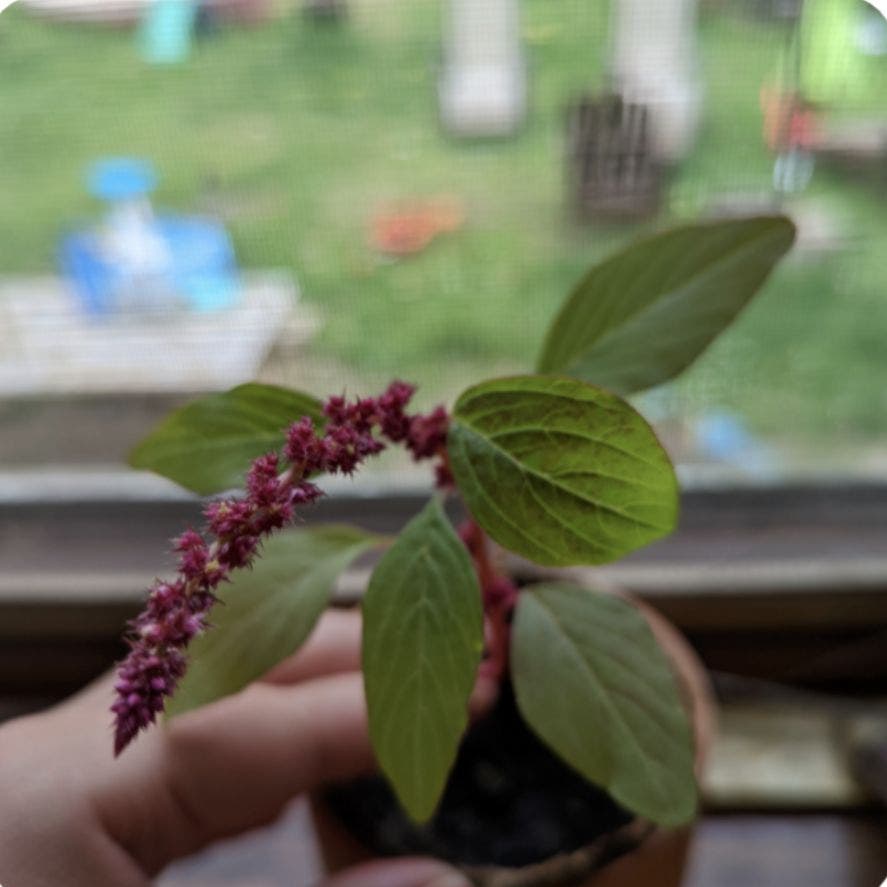
Love-Lies-Bleeding does indeed produce flowers, but they often take a backseat to the plant's stunning foliage. The long, drooping flower spikes can reach impressive lengths of up to 3 feet, creating a dramatic visual display.
However, you might find your plant isn't flowering as expected. This can stem from various factors, including environmental stress or improper care. Conditions like inadequate sunlight, poor soil quality, or inconsistent watering can all hinder flower production.
Understanding these elements is crucial for encouraging blooms and ensuring your Love-Lies-Bleeding thrives. By addressing these issues, you can help your plant showcase its beautiful flowers alongside its lush leaves.
As we delve deeper into the flowering process, you'll discover how to maximize your plant's potential for blooming.
If Love-Lies-Bleeding Flowers
🌈 Flower Characteristics
Description of Colors and Structure
Love-Lies-Bleeding showcases vibrant flower colors, typically in shades of red, purple, or green, depending on the variety. Its flowers form long, feathery spikes that create a dramatic visual impact, making them a striking addition to any garden.
Self-Pollination vs. External Pollination
This plant is generally self-pollinating, which means it can produce seeds without needing external pollinators. This adaptability allows it to thrive even in less-than-ideal conditions.
🌼 Blooming Process
Stages of Blooming and Typical Bloom Time
The blooming process consists of three main stages: bud formation, flowering, and seed development. You can expect blooms to appear from late summer to early fall, adding color to your garden during this time.
Duration from Bud Formation to Full Bloom
From the moment buds form, it takes about 4-6 weeks for Love-Lies-Bleeding to reach full bloom. This relatively quick turnaround makes it a rewarding plant to cultivate.
Lifespan of Flowers
Once in bloom, the flowers typically last for 2-3 weeks before wilting. This lifespan allows for a prolonged display of beauty, even if it's not permanent.
🌱 Encouraging Blooms
Tips to Encourage Flowering
To encourage your Love-Lies-Bleeding to bloom, follow these simple tips:
- Ensure it receives adequate sunlight, ideally 6-8 hours daily.
- Maintain consistent watering, avoiding waterlogging.
- Fertilize with a balanced fertilizer during the growing season.
Factors Influencing Flowering
Several environmental conditions can influence flowering, including temperature, humidity, and soil quality. Stress factors, such as overwatering or nutrient deficiencies, can hinder blooming, so keep an eye on your plant's needs.
🌸 Post-Flowering
What Happens After the Flowering Period
After the flowering period, Love-Lies-Bleeding may produce seeds, which you can collect for propagation. This allows you to expand your garden with new plants.
Discussion on Whether It Dies After Flowering
Unlike some plants that perish after flowering, Love-Lies-Bleeding continues to grow and produce foliage. This resilience makes it a fantastic choice for gardeners looking for longevity in their plants.
With a better understanding of how to encourage blooms and what to expect, you're well on your way to enjoying the beauty of Love-Lies-Bleeding. Next, let’s explore what to do if your plant doesn’t flower at all.
If Love-Lies-Bleeding Doesn't Flower
🌿 Primary Ornamental Features
Love-Lies-Bleeding is celebrated for its lush green leaves, which provide a vibrant backdrop in any garden. The foliage is not only striking but also plays a crucial role in the plant's ornamental appeal.
Common varieties showcase unique features, such as varying leaf shapes and sizes. Some may have a more compact growth habit, while others can spread out dramatically, adding texture and depth to your landscape.
🌱 Reproduction Without Flowers
Even without abundant flowering, Love-Lies-Bleeding can still reproduce effectively. The plant produces seeds, allowing it to thrive even in less-than-ideal blooming conditions.
Additionally, vegetative propagation methods can be employed. This includes taking cuttings from healthy stems, which can root easily and grow into new plants, ensuring your garden remains lush and vibrant.
In summary, Love-Lies-Bleeding's resilience and adaptability make it a fascinating choice for gardeners, whether it flowers or not. As we explore its unique aspects, you'll discover even more about this captivating plant.
Unique Aspects
Unusual Characteristics Related to Flowering or Non-Flowering Nature 🌸
Love-Lies-Bleeding holds a rich historical significance across various cultures. Often featured in traditional ceremonies, its striking appearance has made it a symbol of beauty and resilience.
This plant is also sensitive to environmental conditions, which can greatly influence its flowering potential. Factors like temperature, humidity, and soil quality play crucial roles in whether it blooms or not.
Interesting Facts or Trivia About Reproductive Strategy 🤔
In some cultures, Love-Lies-Bleeding is valued as a food source, offering nutritional benefits that are often overlooked. Its leaves can be consumed, adding a unique twist to culinary dishes.
Additionally, the flower spikes carry cultural meanings, often associated with themes of love and loss. Their vibrant colors, ranging from red to purple, evoke strong emotions and stories, making them more than just a visual delight.
⚠️ Safety First
This content is for general information and may contain errors, omissions, or outdated details. It is not medical, veterinary advice, or an endorsement of therapeutic claims.
Always consult a qualified healthcare professional before using any plant as food, medicine, or supplement.
Never eat any plant (or feed one to pets) without confirming its identity with at least two trusted sources.
If you suspect poisoning, call Poison Control (800) 222-1222, the Pet Poison Helpline (800) 213-6680, or your local emergency service immediately.
Spotted an error? Please report it here.
Unlock breathtaking blooms for your Love-Lies-Bleeding 🌺 with Greg's personalized care reminders and tips that ensure your plant thrives in the perfect conditions!