❤️ Love-Lies-Bleeding: An Annual Plant
Amaranthus caudatus
By the Greg Editorial Team
Oct 16, 2024•5 min read
This article was created with the help of AI so we can cover more plants for you. May contain errors. See one? Report it here.
- 🌸 Love-Lies-Bleeding thrives in warm, moist conditions, ideal for vibrant blooms.
- 🌱 This annual plant completes its lifecycle in just 6 to 12 weeks.
- 🌍 Adaptable to various climates, it uses multiple methods for effective seed dispersal.
Characteristics of Love-Lies-Bleeding as an Annual
🌱 Lifecycle and Growth Patterns
Love-Lies-Bleeding, or Amaranthus caudatus, showcases a fascinating lifecycle that begins with seed germination. For optimal sprouting, seeds thrive in warm, moist conditions, typically requiring temperatures between 70°F to 85°F.
Once germinated, the plant progresses through distinct growth stages: seedling, vegetative, flowering, and seed production. This journey from seed to flowering usually spans 6 to 12 weeks, depending on environmental factors.
Temperature and light play crucial roles in this process. Love-Lies-Bleeding flourishes in full sun and well-drained soil, making it essential to provide the right conditions for robust growth.
🌼 Reproductive Strategies and Seed Production
One of the standout features of Love-Lies-Bleeding is its impressive seed production capacity. A single plant can produce thousands of seeds, ensuring its survival and proliferation.
Pollination mechanisms are equally intriguing. Love-Lies-Bleeding employs both self-pollination and cross-pollination strategies, allowing it to adapt to various environmental conditions and maximize its reproductive success.
This adaptability not only enhances its resilience but also contributes to its popularity among gardeners. Understanding these reproductive strategies can help you appreciate the plant's role in the ecosystem.
As we explore the evolutionary advantages of being an annual plant, we’ll uncover how Love-Lies-Bleeding thrives in diverse environments.
Evolutionary Advantages
Benefits of Being an Annual Plant 🌱
Love-lies-bleeding thrives on its rapid lifecycle. This allows it to take full advantage of favorable conditions, sprouting, growing, and reproducing within a single season.
By focusing its energy on reproduction, this plant maximizes its chances of survival. It can produce a large number of seeds in a short time, ensuring its legacy continues.
Adaptation Strategies in Various Environments 🌍
One of the remarkable traits of love-lies-bleeding is its tolerance to varying climates. It flourishes in both tropical and subtropical regions, showcasing its versatility.
Additionally, this plant exhibits resilience by adapting to different soil types and moisture levels. Whether in rich, loamy soil or more arid conditions, love-lies-bleeding finds a way to thrive.
This adaptability not only enhances its survival but also enriches the ecosystems it inhabits. As it spreads its vibrant blooms, it contributes to the beauty and diversity of its environment.
In summary, the evolutionary advantages of love-lies-bleeding make it a fascinating subject for gardeners and nature enthusiasts alike. Understanding these traits can help us appreciate its role in our gardens and the broader ecosystem.
Next, we will explore the impact of its annual lifecycle on growth and flowering timelines.
Impact of Annual Lifecycle
Growth and Flowering Timeline 🌸
Love-lies-bleeding showcases distinct seasonal growth patterns. Its flowering often aligns closely with environmental conditions, blooming when temperatures rise and daylight extends.
Several factors influence this flowering phase. Day length and temperature play crucial roles, with longer days and warmer weather triggering the plant to produce those stunning flower spikes.
Seed Production and Dispersal Mechanisms 🌱
When it comes to seed production, love-lies-bleeding is prolific. It employs various seed dispersal methods, including wind, water, and even animal assistance, ensuring its seeds reach new locations.
The timing of seed release is equally strategic. The plant synchronizes this release with environmental cues, optimizing conditions for germination and ensuring the next generation thrives.
As we explore the fascinating adaptations of love-lies-bleeding, we can see how its lifecycle not only ensures survival but also enhances its beauty in gardens.
Variations and Exceptions
🌱 Instances Where Love-Lies-Bleeding May Behave Differently
Love-lies-bleeding can show surprising resilience or vulnerability depending on environmental stressors. Drought conditions can stunt growth, leading to smaller plants and fewer flowers, while extreme temperatures may cause wilting or even plant death.
Different cultivars, like 'Green Tails' and 'Red Amaranth,' exhibit unique growth habits. While 'Green Tails' tends to be more robust, 'Red Amaranth' may flourish in slightly cooler conditions, showcasing the diversity within this species.
🌍 Environmental Factors Influencing Growth
Soil quality plays a crucial role in the health of love-lies-bleeding. Nutrient-rich soils promote vigorous growth and abundant flowering, while poor soils can lead to stunted plants and fewer blooms.
Microclimates also significantly impact the lifecycle of love-lies-bleeding. Localized conditions, such as shade or wind exposure, can alter growth patterns, making it essential to consider these factors when planning your garden.
Understanding these variations helps gardeners make informed decisions, ensuring a thriving display of love-lies-bleeding in their landscapes. As we explore gardening tips next, consider how these insights can enhance your planting strategies.
Gardening Tips
Utilizing Love-Lies-Bleeding in Garden Design 🌸
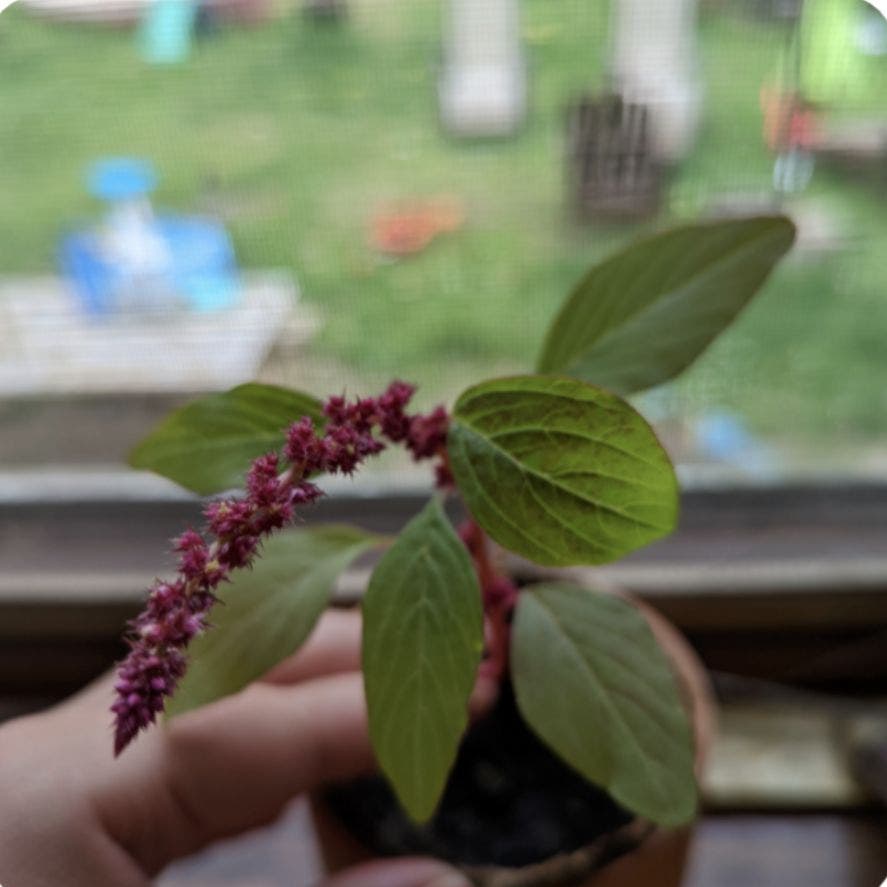
Love-Lies-Bleeding, with its striking flower spikes, can add a vibrant touch to any garden layout. These bold blooms not only catch the eye but also create a stunning focal point.
Companion planting is another great strategy. Pairing Love-Lies-Bleeding with other annuals or perennials can enhance growth and deter pests, creating a thriving ecosystem in your garden.
Tips for Succession Planting ⏳
Timing is crucial for continuous blooms throughout the season. Sow seeds every few weeks to ensure that you have a steady supply of flowers.
Staggered planting intervals can extend flowering. This method allows you to enjoy the beauty of Love-Lies-Bleeding from early summer to late fall.
Strategies for Extending the Growing Season 🌱
To maximize your growing season, consider using season extenders like row covers, cold frames, or greenhouses. These tools can protect your plants from unexpected frosts.
Optimal sowing dates are key to maximizing growth before frost. Plan your planting schedule carefully to ensure your Love-Lies-Bleeding thrives as long as possible.
With these gardening tips, you can make the most of Love-Lies-Bleeding in your garden, ensuring a colorful and vibrant display throughout the growing season. Next, let’s explore the evolutionary advantages of this fascinating annual plant.
⚠️ Safety First
This content is for general information and may contain errors, omissions, or outdated details. It is not medical, veterinary advice, or an endorsement of therapeutic claims.
Always consult a qualified healthcare professional before using any plant as food, medicine, or supplement.
Never eat any plant (or feed one to pets) without confirming its identity with at least two trusted sources.
If you suspect poisoning, call Poison Control (800) 222-1222, the Pet Poison Helpline (800) 213-6680, or your local emergency service immediately.
Spotted an error? Please report it here.
Transform your garden with the vibrant blooms of Love-Lies-Bleeding 🌺, and let Greg guide you with tailored care tips to help your plants thrive all season long!