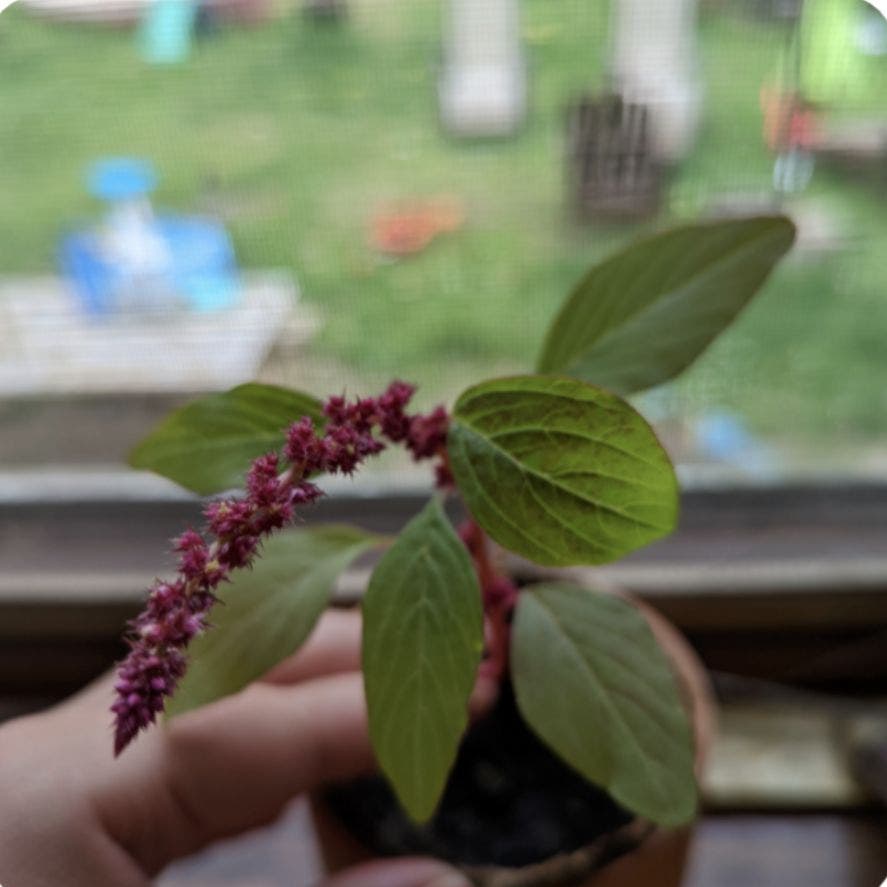
❤️ Love-Lies-Bleeding: Not an Invasive Plant
Amaranthus caudatus
By the Greg Editorial Team
Oct 16, 2024•6 min read
This article was created with the help of AI so we can cover more plants for you. May contain errors. See one? Report it here.
- 🌱 Love-Lies-Bleeding is non-invasive, making it a safe choice for gardeners.
- 🐝 Attracts pollinators like bees and butterflies, enhancing local biodiversity.
- 🌞 Thrives in full sun, needing 6-8 hours of sunlight for optimal growth.
Plant Classification
Definition of Invasive Plants 🌱
Invasive plants are notorious for their rapid growth and spread. They often displace native flora, leading to negative impacts on local ecosystems.
Characteristics of invasive species include:
- Rapid Growth and Spread: They can quickly take over areas, outcompeting local plants.
- Displacement of Native Flora: Invasive plants often dominate, pushing out species that are crucial to the ecosystem.
- Negative Impact on Local Ecosystems: Their presence can disrupt food chains and reduce biodiversity.
Characteristics of Love-Lies-Bleeding ❤️
Love-Lies-Bleeding stands out as a non-invasive option for gardeners. This annual plant exhibits controlled growth patterns, making it a manageable addition to any garden.
- Growth Patterns: It typically grows between 2 to 4 feet tall, featuring cascading flower spikes that add visual interest.
- Adaptability: This plant thrives in various soil types and conditions, making it versatile for different gardening environments.
- Non-Invasive Nature: Love-Lies-Bleeding coexists harmoniously with other plants, ensuring it won’t overwhelm your garden.
By understanding these classifications, gardeners can make informed choices that enhance their spaces without harming local ecosystems. Next, we’ll explore the growth habits of Love-Lies-Bleeding and how to best incorporate it into your garden.
Growth Habits
🌱 Typical Growth Patterns in Gardens
Love-Lies-Bleeding typically grows to a height of 2-4 feet, showcasing stunning cascading flower spikes. Its blooming season stretches from late summer to fall, providing a vibrant display when many other plants are winding down.
☀️ Light Requirements
This plant thrives in full sun, needing about 6-8 hours of sunlight daily to reach its full potential. Adequate light not only enhances its growth but also intensifies the colors of its flowers.
🌍 Natural Limits to Growth
As an annual plant, Love-Lies-Bleeding follows a seasonal growth cycle. Environmental factors like soil quality and moisture levels play a crucial role in determining its health and vigor.
🌿 Spread Potential and Management
While Love-Lies-Bleeding has limited self-seeding tendencies, it remains manageable in garden settings. Regular deadheading can effectively control its spread, preventing unwanted seedlings from taking root.
🛠️ Recommended Management Practices
Monitoring for unwanted seedlings is essential for maintaining a tidy garden. By keeping an eye on growth and employing simple management techniques, you can enjoy the beauty of Love-Lies-Bleeding without it overwhelming your space.
This plant's manageable nature makes it a delightful addition to any garden, setting the stage for a deeper exploration of its ecological role.
Ecological Role
🌼 Benefits to Local Ecosystems
Love-Lies-Bleeding is a fantastic addition to any garden, primarily because it attracts a variety of pollinators. Bees, butterflies, and other beneficial insects flock to its vibrant blooms, playing a crucial role in pollination and supporting local ecosystems.
Moreover, this plant provides essential habitat for local wildlife. Its structure offers shelter and nesting opportunities, creating a thriving environment for various species.
🦜 Interactions with Wildlife
The relationships Love-Lies-Bleeding fosters with local fauna are notably positive. Its seeds serve as a food source for birds, ensuring they have a nutritious option throughout the seasons.
Additionally, the flowers produce nectar that delights pollinators. This mutualistic relationship enhances biodiversity, making gardens more vibrant and alive.
🌱 Companion Planting Benefits
Incorporating Love-Lies-Bleeding into your garden can significantly enhance biodiversity. It pairs well with other non-invasive flowering plants, creating a rich tapestry of colors and textures.
Potential companions include other annuals that thrive in similar conditions. Together, they can create a stunning visual display while supporting a healthy ecosystem.
This plant not only beautifies your space but also contributes positively to the environment. Its non-invasive nature allows it to coexist harmoniously with native plants, making it a smart choice for any garden enthusiast.
As we explore how to manage Love-Lies-Bleeding effectively, we’ll see how to maintain its beauty while ensuring it complements your garden's ecosystem.
Garden Management
Incorporating Love-Lies-Bleeding into Garden Designs 🌸
When adding Love-Lies-Bleeding to your garden, consider its vibrant color and unique height. This plant can create stunning contrasts, especially when paired with shorter or differently colored flowers.
Ideal placements include borders, mixed flower beds, or as striking focal points. Its cascading flower spikes can draw the eye and enhance the overall aesthetic of your garden.
Growth Control Methods ✂️
Managing the growth of Love-Lies-Bleeding is straightforward and rewarding. Regular pruning helps maintain the desired size and encourages bushier growth.
If you want to limit its spread, consider using barriers. These methods ensure that Love-Lies-Bleeding remains a beautiful addition without overwhelming your garden space.
Incorporating these management techniques will allow you to enjoy the beauty of Love-Lies-Bleeding while keeping your garden in check. Next, let’s explore the ecological role this plant plays in supporting local ecosystems.
Comparison to Other Plants
🌱 Similar Non-Invasive Plants
When considering non-invasive alternatives, Celosia and other members of the Amaranth family stand out. These plants share similar aesthetic qualities and growth habits, making them excellent companions in garden settings.
🌼 Unique Qualities of Love-Lies-Bleeding
Love-Lies-Bleeding is not just visually striking; it also boasts a rich cultural history. Historically, it has been used for food and dye, showcasing its versatility beyond mere decoration.
Additionally, its adaptability allows it to thrive in various garden conditions, making it a favorite among gardeners looking for resilient plants.
🌿 Benefits in Garden Settings
Incorporating Love-Lies-Bleeding into your garden enhances visual diversity. Its vibrant colors and unique form attract pollinators, supporting local wildlife.
Moreover, its non-invasive nature ensures it can coexist harmoniously with native plants, contributing to a balanced ecosystem. This makes it a fantastic choice for gardeners who want beauty without the worry of overwhelming their space.
As we explore further, let’s delve into the legal and environmental considerations surrounding Love-Lies-Bleeding.
Legal and Environmental Considerations
📜 Relevant Classifications and Guidelines
Before planting Love-Lies-Bleeding, it's crucial to understand local regulations. Some areas may have specific guidelines regarding non-invasive plants, so checking with local gardening authorities can save you time and effort.
🌱 Sustainable Gardening Practices
Love-Lies-Bleeding plays a significant role in sustainable gardening. It supports pollinator populations, attracting bees and butterflies, which are essential for a healthy ecosystem.
Additionally, this plant's adaptability reduces the need for chemical fertilizers. Its ability to thrive in various soil conditions makes it a low-maintenance choice for eco-conscious gardeners.
🌍 Environmental Impact of Love-Lies-Bleeding
The environmental contributions of Love-Lies-Bleeding are noteworthy. It enhances soil health by preventing erosion and improving nutrient cycling.
Moreover, its minimal negative impact on local ecosystems sets it apart from invasive species. By promoting biodiversity, Love-Lies-Bleeding helps create a balanced garden environment.
In summary, incorporating Love-Lies-Bleeding into your garden not only beautifies your space but also supports ecological health. Next, let’s explore how to effectively manage this vibrant plant in your garden design.
⚠️ Safety First
This content is for general information and may contain errors, omissions, or outdated details. It is not medical, veterinary advice, or an endorsement of therapeutic claims.
Always consult a qualified healthcare professional before using any plant as food, medicine, or supplement.
Never eat any plant (or feed one to pets) without confirming its identity with at least two trusted sources.
If you suspect poisoning, call Poison Control (800) 222-1222, the Pet Poison Helpline (800) 213-6680, or your local emergency service immediately.
Spotted an error? Please report it here.
Transform your garden with Love-Lies-Bleeding 🌼—a stunning non-invasive plant that thrives with Greg's tailored care tips for optimal growth and ecological harmony!