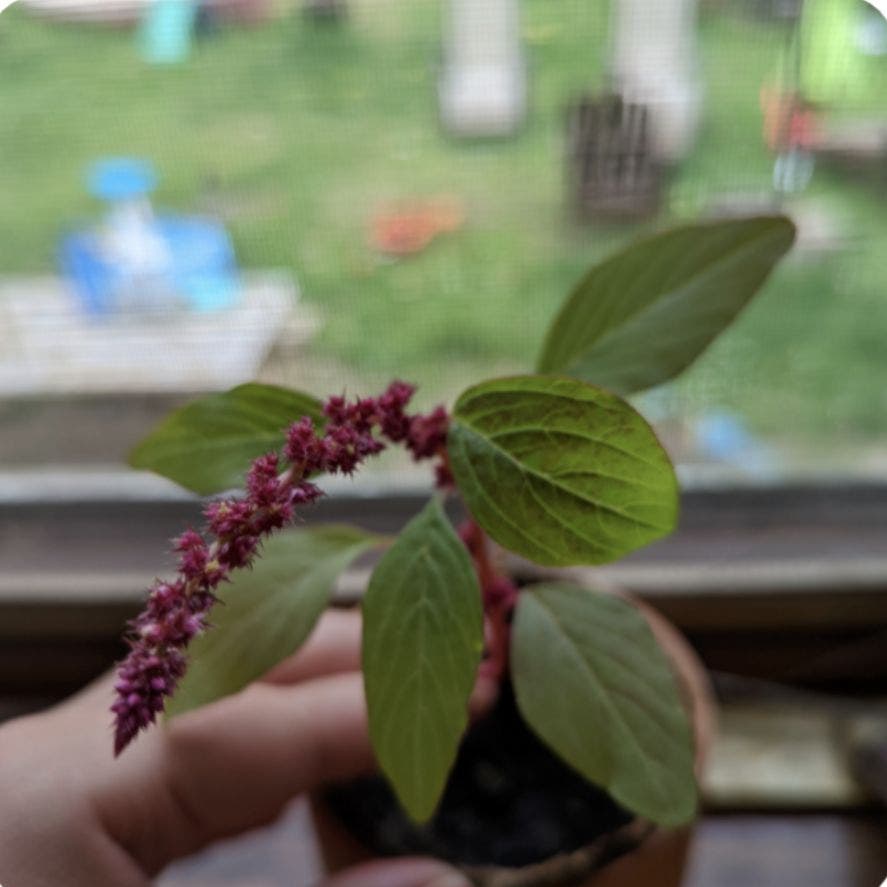
❤️ 3 Tips for Pruning Love-Lies-Bleeding
Amaranthus caudatus
By the Greg Editorial Team
Oct 16, 2024•5 min read
This article was created with the help of AI so we can cover more plants for you. May contain errors. See one? Report it here.
- 🌱 Prune Love-Lies-Bleeding in early spring and late summer for optimal growth.
- ✂️ Deadhead spent flowers to encourage vibrant blooms and redirect energy.
- 🧤 Use sharp, clean tools to prevent disease and ensure healthy cuts.
When to Prune
Best Time of Year for Pruning 🌱
Timing is everything when it comes to pruning Love-Lies-Bleeding. The ideal windows are early spring, just before new growth kicks in, and late summer, after the first bloom cycle has wrapped up.
Seasonal Indicators for Pruning 🌼
Keep an eye on your plant's flowering cycle. Prune right after the first flush of blooms to encourage more vibrant growth.
Also, monitor the health of the leaves. If you notice yellowing or wilting, it’s a clear sign that pruning is needed to rejuvenate the plant.
Pruning at the right time not only enhances the plant's appearance but also promotes healthier growth. With these tips, you'll be well on your way to mastering the art of pruning Love-Lies-Bleeding.
Next, let’s dive into the practical steps for how to prune effectively.
How to Prune
Pruning Love-Lies-Bleeding can seem daunting, but with the right approach, it becomes a straightforward task. Follow these easy steps to keep your plant healthy and thriving.
Step-by-Step Pruning Instructions 🌱
Gather Necessary Tools: Start by collecting sharp pruning shears, gloves, and a clean cloth. These tools will make your job easier and safer.
Inspect the Plant: Take a close look at your Love-Lies-Bleeding. Identify any dead or damaged stems and leaves that need attention.
Cut Back Dead or Damaged Growth: Make clean cuts at the base of the stem. This helps prevent disease and encourages new growth.
Trim Leggy Stems: If you notice any leggy stems, cut them back to a healthy leaf node. This encourages the plant to produce fresh, vibrant growth.
Shape the Plant: Maintain a balanced appearance by trimming any uneven areas. A well-shaped plant not only looks better but also promotes healthy growth.
Recommended Tools for Effective Pruning 🔧
Sharp Pruning Shears: Essential for making clean cuts that minimize damage.
Gloves: Protect your hands from sap and sharp edges while you work.
Clean Cloth: Use this to wipe your tools before and after pruning. This helps prevent the spread of diseases.
By following these steps and using the right tools, you'll ensure your Love-Lies-Bleeding remains healthy and beautiful. Next, let’s explore the importance of deadheading to maximize your plant's blooming potential.
Deadheading
Rationale for Deadheading 🌼
Deadheading is essential for promoting more blooms. By removing spent flowers, you redirect the plant's energy from seed production back into producing vibrant new flowers.
Additionally, it helps maintain the plant's aesthetic appeal. A tidy garden is always more inviting, and removing wilted blooms keeps your Love-Lies-Bleeding looking its best.
Step-by-Step Deadheading Instructions ✂️
Identify spent flowers: Look for wilted or brown flower clusters that no longer contribute to the plant's beauty.
Use clean pruning shears: Cut the flower stem back to the first set of healthy leaves. This encourages new growth and keeps the plant healthy.
Dispose of removed flowers: Properly discard spent blooms to prevent potential disease. A clean garden is a happy garden!
Deadheading not only enhances the visual appeal of your Love-Lies-Bleeding but also fosters a flourishing environment for future blooms. With these simple steps, you can ensure your plant remains vibrant and healthy.
Next, let’s explore common pruning mistakes to avoid, ensuring your gardening efforts yield the best results.
Common Pruning Mistakes
🛑 Mistakes to Avoid When Pruning
Pruning can be a delicate balance, and common mistakes can lead to stress for your Love-Lies-Bleeding plant. One major pitfall is over-pruning; removing too much foliage can shock the plant and hinder its growth.
Another mistake is pruning at the wrong time. Cutting during active growth can disrupt blooming and lead to a less vibrant display.
⚠️ Signs of Over-Pruning or Under-Pruning
Recognizing the signs of over-pruning is crucial. Look for stunted growth, yellowing leaves, or a noticeable reduction in flowering. These indicators suggest your plant may be struggling.
On the flip side, under-pruning can also create issues. If you notice leggy growth, crowded stems, or poor airflow, it’s time to reassess your pruning strategy.
Understanding these common mistakes will help you maintain a healthy and flourishing Love-Lies-Bleeding plant. Next, let’s explore the essential post-pruning care to ensure your plant thrives.
Post-Pruning Care
🌱 Care Tips After Pruning
After pruning, it's crucial to water the plant thoroughly. Consistent moisture helps support recovery and encourages healthy new growth.
Lightly fertilizing with a balanced fertilizer can also make a significant difference. This provides essential nutrients that the plant needs to bounce back and thrive.
👀 Monitoring Plant Health Post-Pruning
Keep an eye out for new growth in the weeks following your pruning session. Healthy plants will typically show signs of new leaves, indicating they are recovering well.
Regularly inspect your plant for any signs of pests or diseases. Early detection is key to maintaining plant health and preventing further issues.
By following these post-pruning care tips, you set your Love-Lies-Bleeding up for a vibrant and flourishing season ahead. Next, let’s explore common pruning mistakes to avoid, ensuring your efforts yield the best results.
⚠️ Safety First
This content is for general information and may contain errors, omissions, or outdated details. It is not medical, veterinary advice, or an endorsement of therapeutic claims.
Always consult a qualified healthcare professional before using any plant as food, medicine, or supplement.
Never eat any plant (or feed one to pets) without confirming its identity with at least two trusted sources.
If you suspect poisoning, call Poison Control (800) 222-1222, the Pet Poison Helpline (800) 213-6680, or your local emergency service immediately.
Spotted an error? Please report it here.
Keep your Love-Lies-Bleeding blooming beautifully 🌺 by using Greg's tailored pruning reminders to ensure you never miss the right moment to trim!