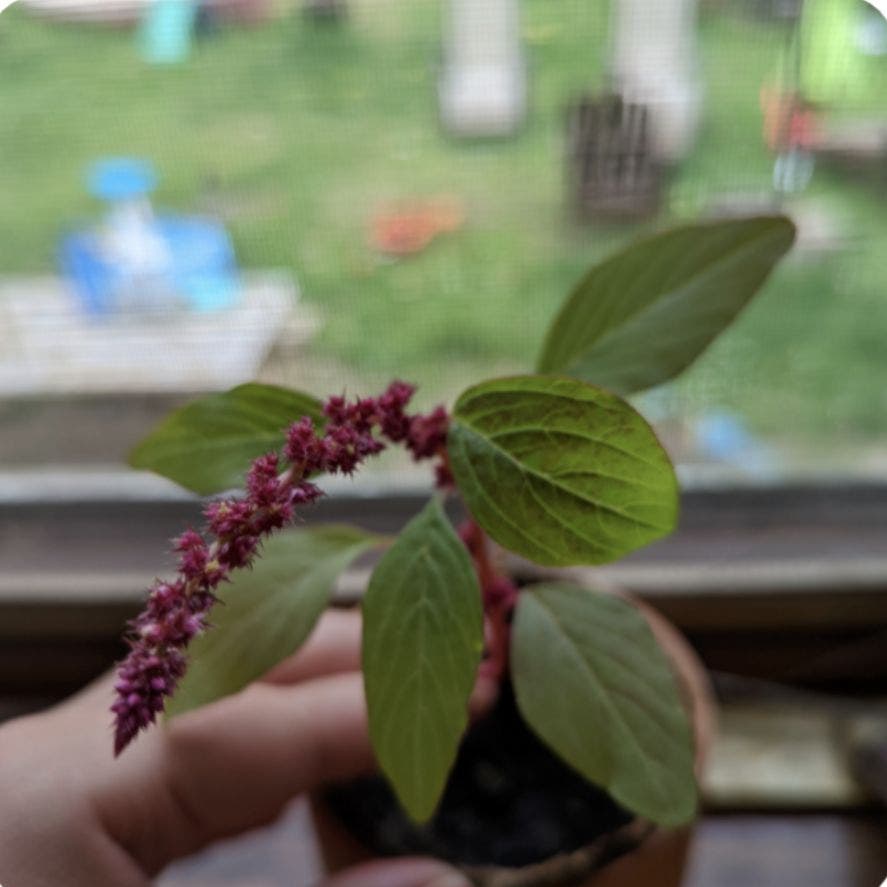
❤️ What to Do About Curling Leaves on Your Love-Lies-Bleeding
Amaranthus caudatus
By the Greg Editorial Team
Oct 16, 2024•7 min read
This article was created with the help of AI so we can cover more plants for you. May contain errors. See one? Report it here.
- 🌱 Curling leaves indicate issues like pests, nutrient deficiencies, or environmental stress.
- 💧 Overwatering and underwatering can both cause leaf curling; check soil moisture regularly.
- 🌞 Optimal conditions include 60°F-80°F temperatures and 40-60% humidity for healthy growth.
Causes of Curling Leaves
🌱 Nutrient Deficiencies
Nitrogen Deficiency
Yellowing leaves and stunted growth are telltale signs of nitrogen deficiency. This nutrient is essential for leaf development and overall plant vigor, making it crucial for your Love-Lies-Bleeding.
Potassium Deficiency
If you notice leaf edges curling and browning, potassium deficiency might be the culprit. Potassium plays a vital role in water regulation and disease resistance, so addressing this issue is key to maintaining plant health.
🐛 Pest Infestations
Aphids
Look for sticky residue on leaves and distorted growth; these are signs of aphid infestations. These pests sap the plant's strength, leading to curling leaves and overall decline.
Spider Mites
Fine webbing and stippled leaves indicate spider mite presence. These tiny pests reduce photosynthesis, which can cause significant leaf curl and stress.
🌡️ Environmental Stress
Temperature Fluctuations
Love-Lies-Bleeding plants are sensitive to extreme temperatures, thriving best in a range of 60°F to 80°F (15°C to 27°C). When temperatures stray outside this range, leaf curling can occur as a stress response.
Humidity Levels
Ideal humidity for these plants is between 40-60%. Low humidity can lead to curling and browning leaves, so maintaining proper moisture levels is essential.
💧 Watering Issues
Overwatering
Yellowing leaves and root rot are common symptoms of overwatering. Ensuring proper drainage is crucial to prevent waterlogging, which can severely harm your plant.
Underwatering
If your plant exhibits wilting and crispy leaf edges, it may be underwatered. Consistent moisture is vital for healthy growth, so keep an eye on your watering routine.
🍄 Fungal Diseases
Powdery Mildew
White powdery spots on leaves, accompanied by curling, suggest powdery mildew. This fungal issue weakens plant health and can lead to further complications if not addressed.
Root Rot
Wilting despite adequate watering often points to root rot, typically caused by overwatering and poor drainage. It's essential to act quickly to save your plant from this fate.
Understanding these causes of curling leaves will empower you to take action and restore your Love-Lies-Bleeding to its vibrant self. Next, we’ll explore how to diagnose these curling leaves effectively.
Diagnosing Curling Leaves
🌿 Identifying Symptoms
Types of Curl
Curling leaves can manifest in different ways. Leaf edges may curl upwards or downwards, and understanding these patterns is crucial for diagnosis.
Color Changes
Pay attention to color changes in the leaves. Yellowing often indicates nutrient deficiencies, while browning can signal environmental stress.
🌍 Assessing Environmental Conditions
Light
Your love-lies-bleeding thrives in full sun, ideally receiving 6-8 hours of light daily. Insufficient light can lead to curling and stretching, signaling that your plant needs more exposure.
Temperature
Monitoring temperature fluctuations is vital. Keeping your plant within the ideal range of 60°F to 80°F (15°C to 27°C) helps prevent stress-related curling.
Humidity
Humidity levels also play a significant role in plant health. Use a hygrometer to check that humidity stays between 40-60% to avoid curling and browning leaves.
🐛 Checking for Pests
Visual Inspection
Regularly inspect your plant for pests and damage. Early detection is key; catching infestations early can save your plant from severe damage.
Sticky Residue
Look for sticky residue on leaves, a telltale sign of aphids. This indicates pest issues that could lead to leaf curling, so act quickly if you notice it.
By diagnosing these symptoms and assessing environmental conditions, you can better understand the causes of curling leaves on your love-lies-bleeding. Next, let’s explore effective treatment options to restore your plant's health.
Treatment Options
🌱 Nutrient Supplementation
Fertilizers
Using balanced NPK fertilizers can significantly enhance your plant's health. Apply them monthly during the growing season to ensure your Love-Lies-Bleeding gets the nutrients it craves.
Organic Options
Consider incorporating compost and organic fertilizers into your routine. These not only boost nutrient availability but also improve overall soil health, creating a thriving environment for your plant.
🐞 Pest Control Methods
Insecticidal Soap
For pest issues like aphids, insecticidal soap is a go-to solution. Spray it directly on affected areas to effectively combat these soft-bodied insects.
Neem Oil
Neem oil is another powerful ally in your pest control arsenal. Dilute it and spray on leaves; it acts as a natural pesticide with antifungal properties, helping to keep your plant healthy.
💧 Adjusting Watering Practices
Soil Moisture Checks
Regularly checking soil moisture is essential for your plant's well-being. Use a moisture meter or simply test with your finger to ensure you're watering appropriately.
Drainage Improvement
Improving drainage can prevent waterlogging and root rot. Techniques like adding perlite or sand to your soil mix can make a significant difference.
🌤️ Managing Environmental Factors
Humidity Control
Maintaining optimal humidity levels is crucial for your plant's health. Use a humidifier or pebble trays to create a suitable environment.
Temperature Regulation
Temperature fluctuations can stress your plant. If conditions become extreme, consider moving your Love-Lies-Bleeding indoors to protect it from potential harm.
By addressing these treatment options, you can help your Love-Lies-Bleeding thrive and prevent further curling leaves. Next, let’s explore preventive measures to keep your plant healthy year-round.
Preventive Measures
Regular Monitoring 🌱
Regular checks are essential for keeping your Love-Lies-Bleeding healthy. Aim for weekly inspections to catch pests and symptoms early, as this proactive approach leads to better outcomes.
Proper Watering Techniques 💧
Soil Testing
Before watering, always check the soil moisture. This simple step prevents both overwatering and underwatering, ensuring your plant thrives.
Watering Schedule
Establish a watering routine by moistening the soil when the top inch feels dry. This practice maintains consistent moisture levels, crucial for healthy growth.
Soil Health Maintenance 🌍
pH Testing
Regularly test your soil's pH, aiming for a range of 6.0 to 7.0. This ensures that nutrients are available for your plant, promoting robust health.
Organic Matter Addition
Incorporate compost or well-rotted manure into your soil. This not only improves soil structure but also boosts nutrient content, giving your plant the best chance to flourish.
Choosing the Right Location 🏡
Sunlight Exposure
Ensure your Love-Lies-Bleeding receives full sun for optimal growth. Adequate sunlight is vital for vibrant foliage and overall plant vigor.
Wind Protection
Consider using barriers or planting in sheltered areas to protect your plant from wind damage. This simple measure reduces stress and helps maintain its health.
By implementing these preventive measures, you can create a thriving environment for your Love-Lies-Bleeding. Next, let’s explore seasonal considerations to keep your plant in top shape throughout the year.
Seasonal Considerations
🌸 Spring Care
As spring arrives, it's time to kickstart your Love-Lies-Bleeding's growth. Begin monthly fertilization to provide essential nutrients as the plant awakens from dormancy.
Pest prevention is crucial during this season. Keep an eye out for early signs of infestations to address issues before they escalate.
☀️ Summer Care
Summer heat can be intense, so adjust your watering frequency accordingly. Increased temperatures mean your plant may need more moisture to thrive.
Don't forget about heat stress management. Providing shade during extreme heat can protect your plant from potential damage.
🍂 Fall Care
As temperatures begin to drop, prepare your Love-Lies-Bleeding for the cooler months ahead. Gradually reduce watering to help the plant acclimate to changing conditions.
This transition is vital for maintaining plant health. It allows your plant to adjust without the shock of sudden changes.
❄️ Winter Care
Winter can be tough, especially for outdoor plants. If necessary, move your Love-Lies-Bleeding indoors to shield it from harsh conditions.
During this time, reduce your watering frequency. This helps prevent root rot while the plant is in its dormant phase, ensuring it stays healthy until spring returns.
With these seasonal considerations, your Love-Lies-Bleeding will be well-equipped to thrive throughout the year. Next, let’s explore preventive measures to keep your plant in top shape.
⚠️ Safety First
This content is for general information and may contain errors, omissions, or outdated details. It is not medical, veterinary advice, or an endorsement of therapeutic claims.
Always consult a qualified healthcare professional before using any plant as food, medicine, or supplement.
Never eat any plant (or feed one to pets) without confirming its identity with at least two trusted sources.
If you suspect poisoning, call Poison Control (800) 222-1222, the Pet Poison Helpline (800) 213-6680, or your local emergency service immediately.
Spotted an error? Please report it here.
Keep your Love-Lies-Bleeding thriving 🌱 by using Greg to monitor moisture and receive personalized care tips that prevent curling leaves and promote vibrant growth!