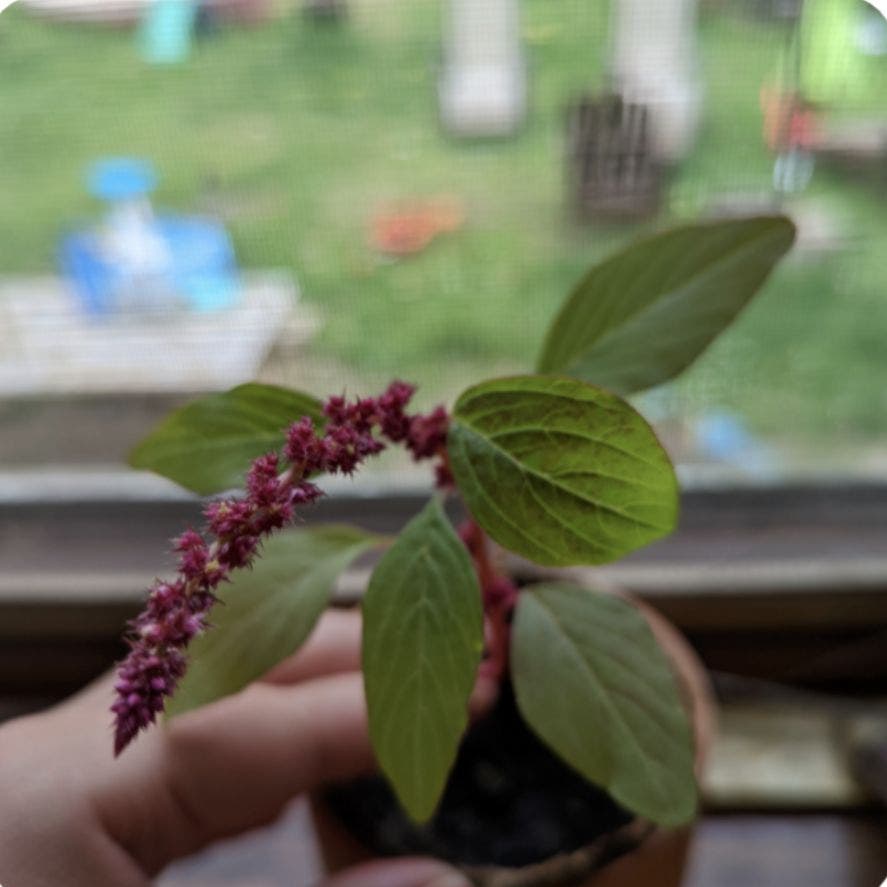
❤️ Why Love-Lies-Bleeding Is Not a Perennial
Amaranthus caudatus
By the Greg Editorial Team
Oct 16, 2024•4 min read
This article was created with the help of AI so we can cover more plants for you. May contain errors. See one? Report it here.
- 🌱 Love-lies-bleeding is a true annual, completing its lifecycle in one growing season.
- 🌼 It cannot regrow from roots; gardeners must replant each year for blooms.
- 🌿 Understanding its nature helps in effective garden planning and seasonal rotation.
Characteristics of Love-Lies-Bleeding as an Annual
Single-Season Lifecycle 🌱
Love-lies-bleeding is a true annual, completing its lifecycle in a single growing season. From germination to flowering, this plant typically takes about 60 to 90 days, moving through distinct stages: seed, seedling, mature plant, and ultimately, death.
Rapid Growth and Flowering 🚀
One of the most striking features of love-lies-bleeding is its rapid growth. It can reach heights of up to 3 feet in no time, showcasing its impressive vigor.
Flowering Cycle 🌸
During the same season, love-lies-bleeding produces long, drooping clusters of flowers. This quick flowering cycle adds vibrant color to gardens, making it a favorite among gardeners looking for immediate visual impact.
Inability to Regrow from the Same Roots 🥀
At the end of the growing season, the root system of love-lies-bleeding dies off completely. Unlike perennials, which have a dormant phase allowing for regrowth, love-lies-bleeding must be replanted each year to enjoy its beauty again.
Understanding these characteristics helps clarify why love-lies-bleeding is not a perennial. Its lifecycle and growth patterns set it apart, making it essential for gardeners to plan accordingly for each season.
Implications of Annual Nature
🌱 Growth and Flowering Patterns Compared to Perennials
Love-lies-bleeding thrives on its annual nature, showcasing rapid growth and flowering within a single season. Unlike perennials, which can take years to establish, this plant quickly establishes itself, offering vibrant blooms almost immediately.
The flowering duration is confined to the growing season. Once the frost hits, the show is over, leaving no lingering blooms like those found in perennial varieties.
⏳ Lifespan and Seasonal Considerations
Typically, love-lies-bleeding lives for just one growing season. This short lifespan means that gardeners must replant each year to enjoy its striking presence in their gardens.
The seasonal impact is significant; without replanting, the garden would miss out on the colorful display that love-lies-bleeding provides. This annual cycle encourages gardeners to embrace the rhythm of planting and renewal each year.
As we explore the common misconceptions surrounding this plant, it’s essential to understand how its annual nature shapes our gardening strategies.
Common Misconceptions
🌱 Misunderstandings About Love-Lies-Bleeding Being a Perennial
Many gardeners mistakenly believe that Love-Lies-Bleeding can regrow each year. This assumption often stems from its vibrant blooms and lush foliage, leading to confusion about its true nature as an annual.
It's essential to clarify that Love-Lies-Bleeding is classified as an annual. Unlike perennials, which can return season after season, this plant completes its lifecycle in just one growing season.
🌼 Clarifying the Self-Seeding Behavior
One reason for the misconception is Love-Lies-Bleeding's self-seeding behavior. This plant can drop seeds that germinate in subsequent years, creating the illusion of regrowth.
However, this self-seeding does not mean the original plant survives. Instead, new plants emerge from seeds, which can mislead gardeners into thinking they have a perennial on their hands.
Understanding these distinctions helps gardeners make informed choices about their planting strategies. With this knowledge, you can appreciate Love-Lies-Bleeding for its unique qualities while planning your garden effectively.
Next, let’s explore the implications of its annual nature and how it compares to perennials.
Advantages of Love-Lies-Bleeding's Annual Nature
🌱 Quick Maturity Benefits for Gardeners
Love-lies-bleeding is a gardener's dream for quick results. This annual plant grows rapidly, often reaching full height within weeks, making it perfect for those eager for immediate color.
Its vibrant blooms light up gardens in no time. You can expect long, drooping clusters of flowers that add a splash of excitement to your outdoor space throughout the growing season.
🎨 Flexibility in Garden Planning and Design
One of the standout advantages of love-lies-bleeding is its flexibility in garden planning. Since it’s an annual, you can rotate it with different plants each year, keeping your garden fresh and dynamic.
This adaptability means you can easily replace it or mix it with other annuals or perennials. It opens up endless possibilities for creative planting schemes, allowing you to experiment and find the perfect combinations for your garden aesthetics.
In summary, love-lies-bleeding offers both quick maturity and design flexibility, making it a valuable addition to any garden. Next, let’s explore strategies to maximize its growth throughout the season.
⚠️ Safety First
This content is for general information and may contain errors, omissions, or outdated details. It is not medical, veterinary advice, or an endorsement of therapeutic claims.
Always consult a qualified healthcare professional before using any plant as food, medicine, or supplement.
Never eat any plant (or feed one to pets) without confirming its identity with at least two trusted sources.
If you suspect poisoning, call Poison Control (800) 222-1222, the Pet Poison Helpline (800) 213-6680, or your local emergency service immediately.
Spotted an error? Please report it here.
Embrace the vibrant blooms of love-lies-bleeding each season by understanding its annual nature, and let Greg's custom planting reminders 🌱 help you keep your garden colorful and thriving year after year!