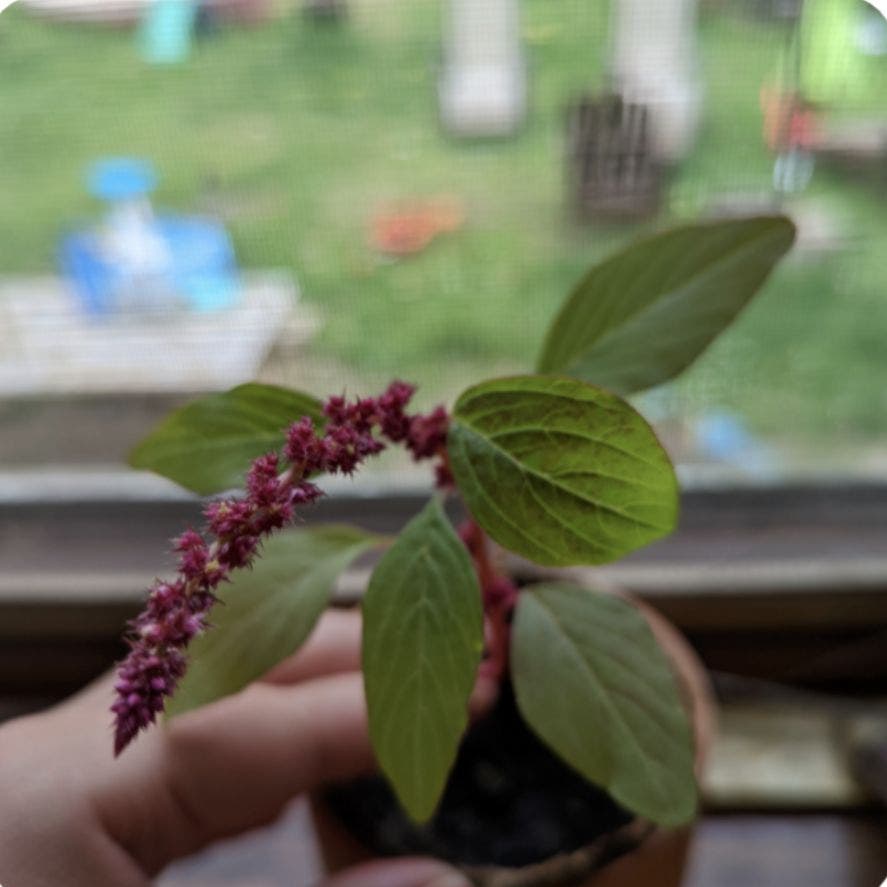
❤️ What to Do if Your Love-Lies-Bleeding Won't Flower
Amaranthus caudatus
By the Greg Editorial Team
Oct 16, 2024•6 min read
This article was created with the help of AI so we can cover more plants for you. May contain errors. See one? Report it here.
- 🌞 Insufficient sunlight and poor soil can prevent love-lies-bleeding from blooming.
- 🌱 Balanced fertilization and consistent watering are crucial for vibrant flowers.
- 🐛 Regular pest monitoring helps avoid stress and premature flower drop.
Common Causes of Non-Flowering
🌪️ Environmental Stress Factors
Environmental stress can be a major culprit in preventing your love-lies-bleeding from blooming. Both drought and excessive moisture can disrupt the plant's natural processes, leading to non-flowering.
Drought conditions can cause the plant to conserve energy, prioritizing survival over blooming. Conversely, too much moisture can lead to root rot, which stifles growth and flowering.
🏞️ Soil Conditions
Soil quality plays a crucial role in flowering. Poor drainage can suffocate roots, while nutrient-poor soil fails to provide the essential elements needed for blooms.
If your love-lies-bleeding is struggling, consider testing your soil. Amending it with organic matter can improve drainage and nutrient availability, setting the stage for vibrant flowers.
☀️ Light Requirements
Light is vital for flowering plants. Insufficient sunlight exposure can stunt growth and reduce the likelihood of blooms.
If your plant isn't getting enough light, consider relocating it to a sunnier spot. Alternatively, using grow lights can help mimic natural sunlight, encouraging your love-lies-bleeding to flourish.
Understanding these common causes can empower you to take action. By addressing environmental stress, soil conditions, and light requirements, you can pave the way for a blooming love-lies-bleeding.
Premature Flower Drop
🌼 Identifying Signs of Bud Drop
One of the first signs that your love-lies-bleeding may be struggling is the observation of flower buds falling before they have a chance to open. This premature drop can be disheartening, especially when you’ve nurtured your plant with care.
⚠️ Potential Causes
Several factors can contribute to this issue.
🌡️ Environmental Stress
Sudden temperature changes and humidity fluctuations can create an unstable environment for your plant.
🥦 Nutritional Deficiencies
A lack of essential nutrients can also lead to bud drop. If your plant isn't getting what it needs, it may sacrifice blooms to conserve energy.
🐛 Pests and Diseases
Infestations can severely affect plant health, leading to stress and subsequent flower drop. Keeping an eye out for pests is crucial.
🛠️ Remedies to Prevent Flower Drop
Fortunately, there are effective strategies to mitigate this problem.
💧 Consistent Watering Schedules
Implementing a consistent watering routine can help stabilize your plant's environment. Aim for a balance—neither too dry nor too soggy.
🌱 Balanced Nutrients
Fertilizing with balanced nutrients ensures your plant receives the essential elements it needs for healthy growth. Look for fertilizers that specifically support flowering.
🔍 Monitoring for Pests
Regularly check for pests and apply organic control methods when necessary. This proactive approach can save your blooms before they even have a chance to drop.
By addressing these factors, you can help your love-lies-bleeding thrive and enjoy a vibrant display of flowers. Next, let’s explore how abnormal flower development can impact your plant's overall health and beauty.
Abnormal Flower Development
🌱 Factors Affecting Flower Morphology
Abnormal flower development can often be traced back to nutrient imbalances. Specifically, an excess of nitrogen can hinder flowering, while insufficient phosphorus may prevent blooms altogether.
Environmental stress also plays a significant role. Temperature extremes and fluctuating humidity levels can disrupt the plant's natural processes, leading to malformed flowers or no flowers at all.
🌼 Solutions for Normalizing Flower Development
To encourage healthy flower development, start by adjusting your fertilization practices. Providing a balanced nutrient mix can make a world of difference, ensuring your plant receives what it needs to thrive.
Creating a stable growing environment is equally crucial. Maintain consistent temperature and humidity levels to support your plant’s growth and flowering potential.
By addressing these factors, you can help your love-lies-bleeding flourish beautifully. Next, let’s explore how light exposure impacts flowering and what you can do to optimize it.
Impact of Light on Flowering
🌞 Importance of Light Exposure
Light is essential for photosynthesis, the process that fuels plant growth and flower production. Without adequate sunlight, your Love-Lies-Bleeding may struggle to thrive and bloom.
🚨 Signs of Inadequate Light
If your plant shows stunted growth or produces fewer flowers, it might be a sign of insufficient light. Keep an eye out for these indicators to ensure your plant is getting what it needs.
🌻 Adjusting Light Conditions for Optimal Blooming
To enhance blooming, consider relocating your plants to sunnier spots. If natural light is limited, using grow lights can also provide the necessary exposure for robust flower production.
By ensuring your Love-Lies-Bleeding receives the right amount of light, you set the stage for vibrant blooms. Next, let’s explore the nutritional needs that will further support your plant's flowering potential.
Nutritional Needs for Flowering
🌼 Key Nutrients for Flowering
To achieve vibrant blooms, your Love-Lies-Bleeding needs essential nutrients. Phosphorus and potassium are crucial for flower development, while trace minerals support overall plant health.
🕵️♂️ Identifying Nutrient Deficiencies
Recognizing nutrient deficiencies can save your plant from a lackluster performance. Look for yellowing leaves, stunted growth, and, most importantly, a noticeable absence of blooms.
🌱 Fertilization Strategies to Enhance Blooms
Effective fertilization can make all the difference in your plant's flowering success. Use a balanced fertilizer rich in phosphorus and potassium, applying it during the growing season for optimal results.
- Choose the Right Fertilizer: Look for formulations specifically designed for flowering plants.
- Timing is Key: Fertilize every 4-6 weeks during the active growing season.
- Follow Instructions: Always adhere to the recommended dosage to avoid over-fertilization.
By understanding and addressing your plant's nutritional needs, you can encourage a stunning display of flowers. Next, let’s explore how pruning can further influence flowering and overall plant health.
Pruning and Its Effects on Flowering
✂️ Best Practices for Pruning
Pruning your Love-Lies-Bleeding is essential for maintaining its health and promoting flowering. Start by removing any dead or damaged stems; this not only improves the plant's appearance but also prevents disease.
Use clean, sharp tools to make precise cuts. Aim for a 45-degree angle to encourage faster healing and minimize stress on the plant.
⏰ Timing and Techniques for Effective Pruning
Timing is crucial when it comes to pruning. The best time to prune is in early spring, just before new growth begins. This allows the plant to focus its energy on producing blooms.
To encourage bushier growth, consider pinching back the tips of the stems. This technique stimulates lateral branching, leading to a fuller plant.
🌸 How Pruning Influences Bloom Production
Pruning significantly impacts flower spike development. By removing older growth, you allow the plant to redirect its energy towards new, vigorous shoots that are more likely to produce flowers.
Regular pruning can also enhance air circulation and light penetration, both of which are vital for healthy blooming. A well-pruned plant is not just healthier; it's also more likely to reward you with vibrant flowers.
As you refine your pruning techniques, you'll notice a marked improvement in your plant's flowering potential. Next, let’s explore the nutritional needs that can further enhance your Love-Lies-Bleeding's blooms.
⚠️ Safety First
This content is for general information and may contain errors, omissions, or outdated details. It is not medical, veterinary advice, or an endorsement of therapeutic claims.
Always consult a qualified healthcare professional before using any plant as food, medicine, or supplement.
Never eat any plant (or feed one to pets) without confirming its identity with at least two trusted sources.
If you suspect poisoning, call Poison Control (800) 222-1222, the Pet Poison Helpline (800) 213-6680, or your local emergency service immediately.
Spotted an error? Please report it here.
Unlock a blooming masterpiece 🌸 with Greg's tailored care tips and reminders, ensuring your love-lies-bleeding thrives in the perfect environment for stunning flowers!