🌿 Ecuador Philodendron Is Not an Annual
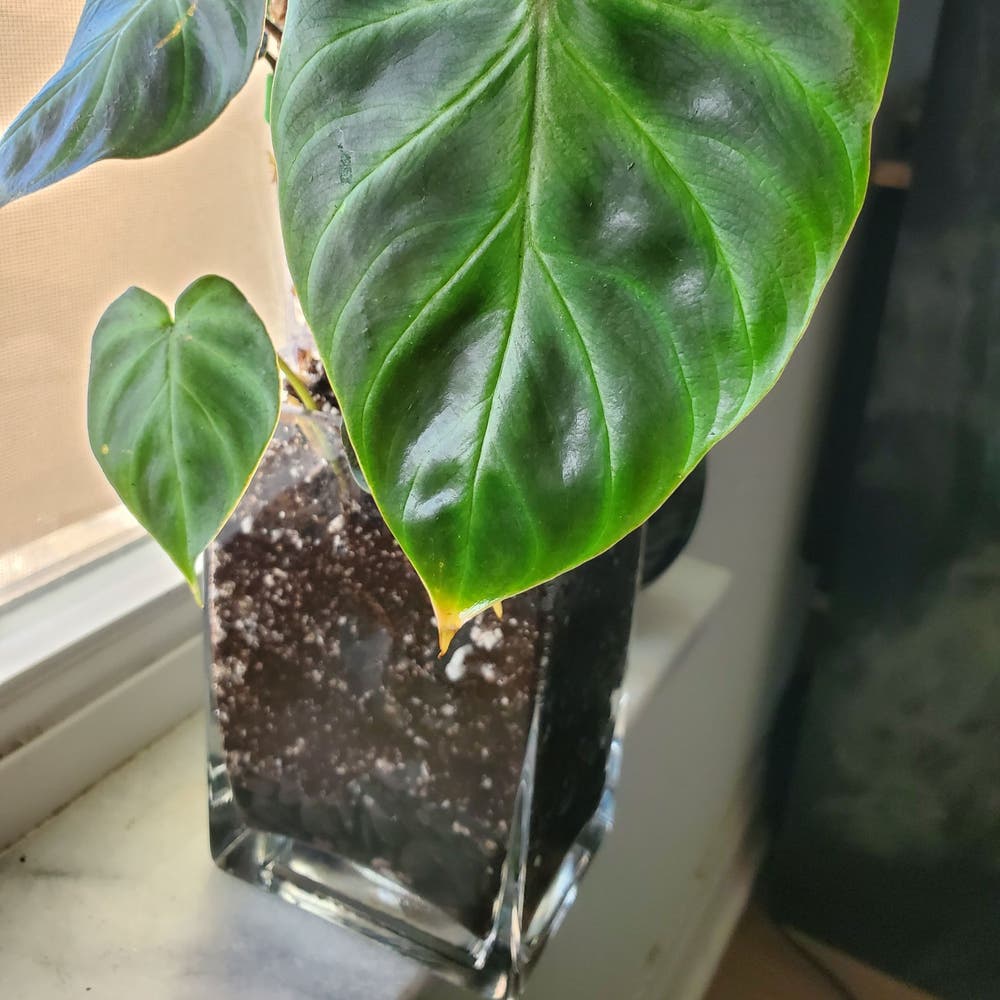
Philodendron verrucosum
By the Greg Editorial Team
Sep 30, 2024•3 min read
This article was created with the help of AI so we can cover more plants for you. May contain errors. See one? Report it here.
- 🌱 Ecuador Philodendron is a perennial, thriving for years unlike short-lived annuals.
- 🌿 Adaptable to tropical climates, it showcases resilience and vibrant beauty.
- 🌞 Climbing habit and aerial roots enhance light access and nutrient absorption.
Ecuador Philodendron as a Perennial
🌱 Genetic Characteristics
The Ecuador Philodendron is classified within the diverse Philodendron species, known for its robust growth and adaptability. Its genetic makeup allows it to thrive in tropical environments, showcasing adaptations that support long-term survival.
These adaptations set it apart from other perennial varieties, enabling it to flourish where many plants struggle. Understanding these genetic traits is crucial for appreciating its resilience and beauty.
🌿 Physiological Traits Supporting Perennial Growth
One of the standout features of the Ecuador Philodendron is its climbing growth habit. This adaptation allows it to reach for light, vital for photosynthesis in dense tropical forests.
Additionally, the plant develops aerial roots that serve dual purposes: nutrient absorption and stability. These roots anchor the plant while also drawing moisture and nutrients from the air and surrounding environment.
📈 Long-Term Lifecycle and Growth Patterns
Under optimal conditions, the Ecuador Philodendron can live for several years, making it a true perennial. Its growth patterns vary seasonally, with active growth occurring during warm months and a period of dormancy in cooler months.
Environmental conditions significantly impact its growth rates. Factors like humidity and temperature can either accelerate or slow down its development.
🌼 Lifecycle Comparison with Annuals
Unlike annuals, which complete their life cycle in one year, the Ecuador Philodendron boasts multiple blooms over several years. This extended flowering cycle enhances its appeal in gardens.
Seed production is also a gradual process, influenced by specific timing and environmental conditions. The plant employs both asexual and sexual reproduction strategies, ensuring its survival and propagation.
🌳 Gardening Implications
🌺 Benefits in Garden Design
Incorporating the Ecuador Philodendron into your garden design offers numerous benefits. Its lush foliage and climbing habits create a vibrant aesthetic that can transform any space.
This plant is versatile, thriving in both indoor and outdoor settings. Its perennial nature makes it a long-term investment, reducing the need for frequent replanting.
🛠️ Strategies for Maximizing Longevity
To ensure the Ecuador Philodendron thrives, provide optimal growing conditions. It prefers warm, humid environments that mimic its native habitat.
Support structures are essential for its climbing nature. Regular monitoring of the plant's health will help you address any issues promptly, ensuring a thriving specimen.
✂️ Tips for Managing as a Perennial
Watering practices should focus on maintaining consistent moisture without waterlogging the roots. A well-planned fertilization schedule during active growth periods will provide the necessary nutrients.
Pruning techniques are also vital. Regular pruning encourages healthy growth and prevents overcrowding, allowing the plant to flourish beautifully.
As you consider adding the Ecuador Philodendron to your garden, remember that its perennial nature not only enhances your space but also offers a rewarding gardening experience.
⚠️ Safety First
This content is for general information and may contain errors, omissions, or outdated details. It is not medical, veterinary advice, or an endorsement of therapeutic claims.
Always consult a qualified healthcare professional before using any plant as food, medicine, or supplement.
Never eat any plant (or feed one to pets) without confirming its identity with at least two trusted sources.
If you suspect poisoning, call Poison Control (800) 222-1222, the Pet Poison Helpline (800) 213-6680, or your local emergency service immediately.
Spotted an error? Please report it here.
Embrace the beauty of the Ecuador Philodendron as a long-lasting treasure 🌿 in your garden, and let Greg guide you with tailored care tips and reminders to keep it thriving for years to come!