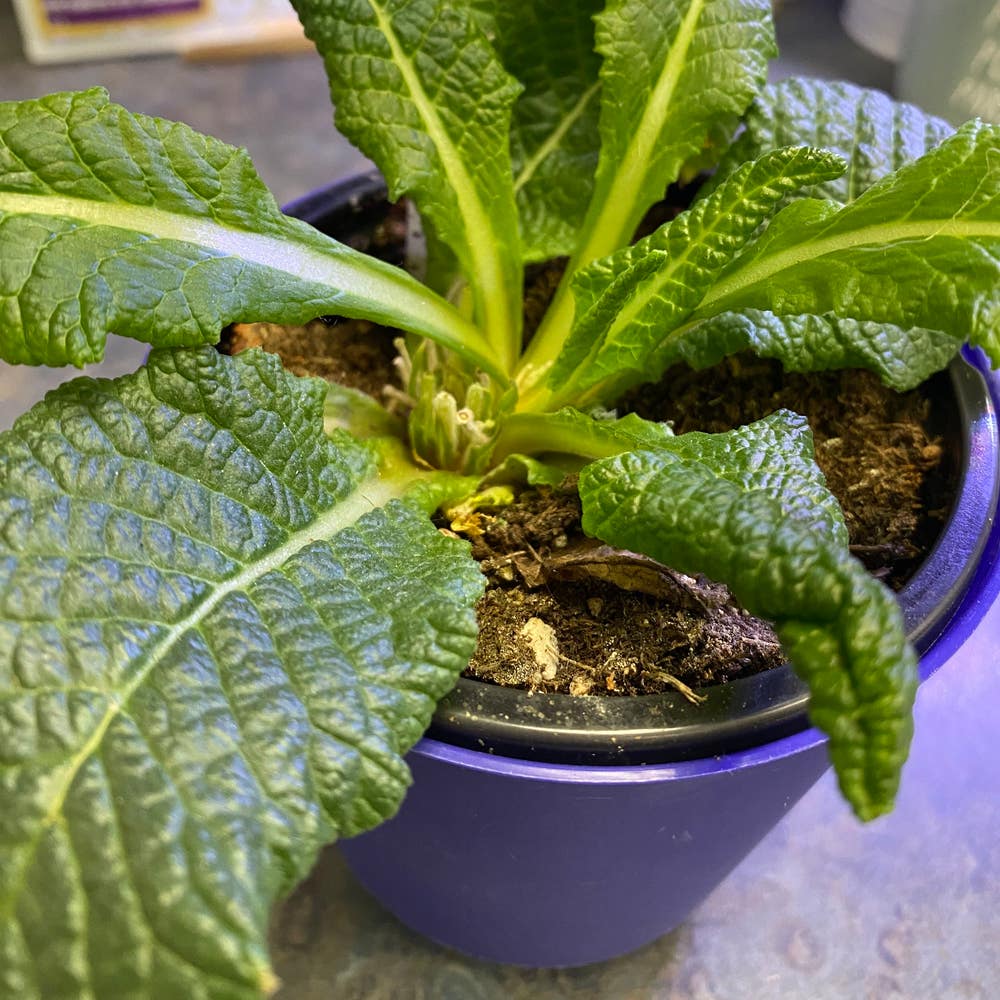
🌸 Best Spot to Plant Your Oxlip
Primula elatior
By the Greg Editorial Team
Sep 30, 2024•4 min read
This article was created with the help of AI so we can cover more plants for you. May contain errors. See one? Report it here.
- 🌞 Oxlips thrive in 4-6 hours of direct sunlight; observe your garden for optimal spots.
- 🌱 Choose moist, well-drained soil with a pH of 6.0 to 7.0 for best growth.
- 🌳 Plant near barriers and maintain spacing to protect from wind and overcrowding.
Assessing the Best Spot
🌞 Evaluating Sunlight and Shade
Finding the right spot for your Oxlip starts with understanding sunlight and shade. Observe how sunlight moves across your garden throughout the day; this will help you identify the best locations.
You can also use a sun calculator app for precise measurements. Ideally, look for areas that receive 4-6 hours of direct sunlight, as this is optimal for growth. Additionally, choose spots that stay cool during peak sun hours to protect your plants from excessive heat.
🌱 Soil Type Preferences
Next, consider the soil type where you plan to plant your Oxlip. The best conditions are moist, well-drained soil with a slightly acidic to neutral pH, ideally between 6.0 and 7.0.
Rich organic matter, such as leaf mold or compost, is essential for healthy growth. Avoid heavy clay or overly sandy soils, as they can hinder drainage. To ensure your soil meets these criteria, use pH testing kits for accurate measurements and assess the soil texture to check for proper drainage capabilities.
🌿 Proximity to Other Plants and Structures
The location of your Oxlip in relation to other plants and structures is crucial. Ideal companions include other shade-tolerant plants like ferns and hostas, which can create a harmonious garden environment.
Be mindful of overcrowding, as this can lead to competition for moisture. Additionally, consider planting near walls or fences for wind protection, and maintain a safe distance from large trees to avoid root competition that could stunt your Oxlip's growth.
With these factors in mind, you can create a thriving environment for your Oxlip. Next, let’s explore the environmental factors that will further enhance your planting strategy.
Environmental Factors
🌬️ Wind Protection Strategies
Wind can be a silent enemy for your Oxlip. It stresses delicate flowers and foliage, potentially stunting growth or causing damage.
To shield your plants, consider planting near natural barriers like shrubs or fences. These can act as effective windbreaks, reducing the harshness of gusts. Alternatively, you might use garden structures such as trellises to create a protective environment.
🚰 Drainage Considerations
Proper drainage is crucial for healthy plant growth. It prevents root rot and ensures that your Oxlip thrives in its environment.
To assess drainage, conduct a simple percolation test. Dig a hole, fill it with water, and observe how quickly it drains. Additionally, keep an eye out for signs of standing water or overly dry soil, both of which can indicate drainage issues.
Understanding these environmental factors will help you create the ideal conditions for your Oxlip. Next, let’s explore the differences between indoor and outdoor planting to maximize your gardening success.
Indoor vs. Outdoor Planting
Best Indoor Locations for Oxlip 🌱
Finding the right indoor spot for your Oxlip is crucial for its growth. Aim for bright, indirect light near windows to keep your plant thriving.
Humidity is another key factor. Bathrooms and kitchens often provide the moist environment Oxlip loves, making them ideal locations.
When it comes to containers, choose pots with drainage holes. This prevents water accumulation, which can lead to root rot.
Opt for soil mixes designed for moisture retention. This will help maintain the right balance of moisture for your Oxlip.
Outdoor Garden Layouts 🌼
For outdoor planting, consider grouping your Oxlip with other shade-loving plants. This not only enhances aesthetic appeal but also creates a harmonious garden environment.
Creating a woodland garden setting can mimic the Oxlip's natural habitat. This approach allows your plant to flourish in conditions similar to its native environment.
Spacing is essential for healthy growth. Maintain 12-18 inches between plants to ensure adequate airflow and prevent overcrowding.
With these considerations, your Oxlip will have the best chance to thrive, whether indoors or outdoors. Next, let’s explore seasonal considerations to keep your plant healthy year-round.
Seasonal Considerations
🌞 Seasonal Sunlight Changes
Understanding how sunlight shifts with the seasons is crucial for your oxlip's health. Regularly monitor these changes to ensure your plants receive the optimal light exposure they need.
Adjusting planting locations based on seasonal sunlight can make a significant difference. Ideally, plant your oxlip in early spring or fall for the best growth results.
💧 Soil Moisture Levels Throughout the Year
Managing soil moisture is essential throughout the seasons. Keep an eye on rainfall and adjust your watering schedule accordingly to maintain the right moisture levels.
Using mulch can be a game-changer during dry spells, helping to retain moisture in the soil. Look for signs of moisture imbalance, such as yellowing leaves, which may indicate overwatering or drought stress.
Regular soil testing for moisture levels can guide your watering decisions. This proactive approach ensures your oxlip thrives year-round, adapting to changing conditions with ease.
As you consider these seasonal factors, remember that your oxlip's success hinges on a harmonious balance of sunlight and moisture. This understanding will pave the way for a flourishing garden.
⚠️ Safety First
This content is for general information and may contain errors, omissions, or outdated details. It is not medical, veterinary advice, or an endorsement of therapeutic claims.
Always consult a qualified healthcare professional before using any plant as food, medicine, or supplement.
Never eat any plant (or feed one to pets) without confirming its identity with at least two trusted sources.
If you suspect poisoning, call Poison Control (800) 222-1222, the Pet Poison Helpline (800) 213-6680, or your local emergency service immediately.
Spotted an error? Please report it here.
Maximize your Oxlip's growth potential 🌱 by using Greg's tailored care reminders to ensure optimal sunlight, soil health, and spacing for a thriving garden!