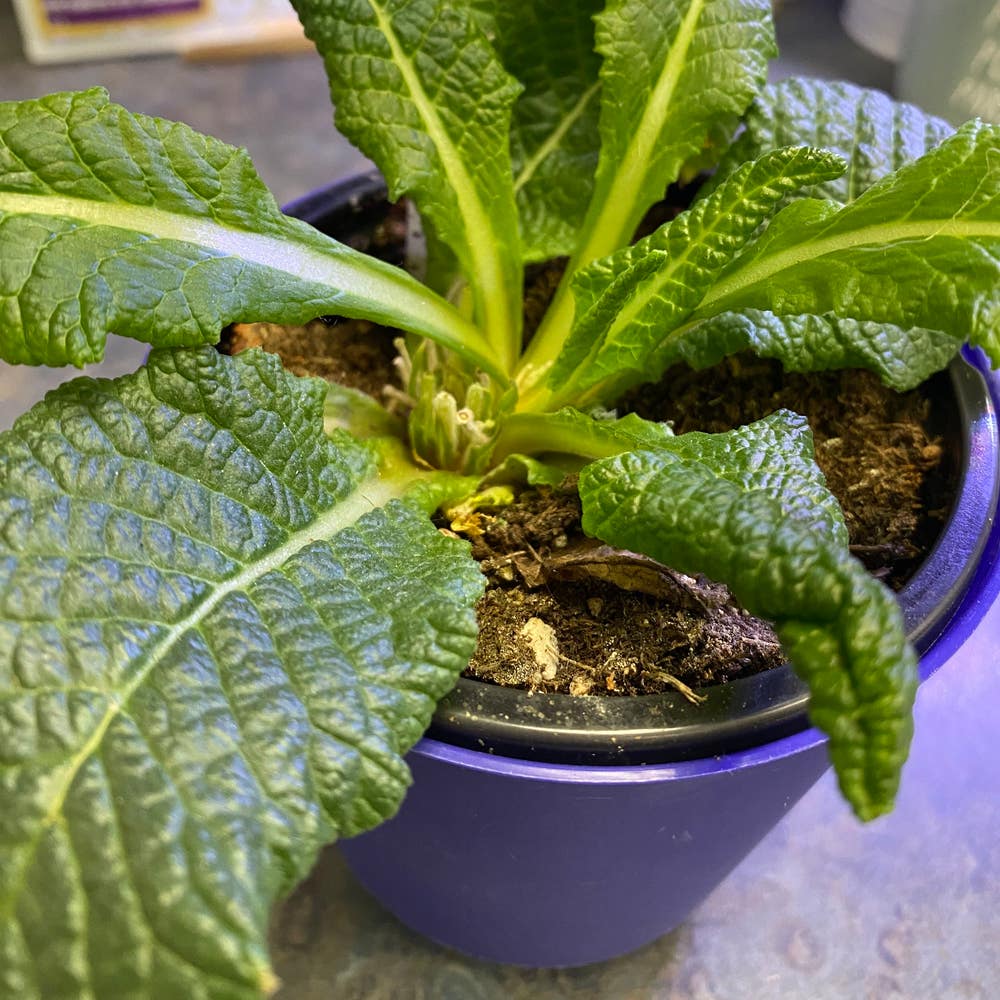
How Can You Tell If A Oxlip Is Dying?
Primula elatior
By the Greg Editorial Team
Feb 14, 2024•5 min read
This article was created with the help of AI so we can cover more plants for you. May contain errors. See one? Report it here.
- Wilting, yellowing, or crispy leaves signal watering issues in Oxlips.
- Pale or scorched leaves indicate improper light; adjust exposure.
- Stable temperatures and pest control are crucial for Oxlip health.
When Water Works Against You: Oxlip's Water Woes
💧 Inconsistent Watering
Wilting, yellowing leaves are your Oxlip's distress signals. They indicate inconsistent watering habits that need correction.
🚱 Oxlip's Hydration Fix
To get back on track, establish a regular watering schedule. Ensure the top inch of soil dries out before watering again.
💦 Over-watering Hazards
Soggy symptoms like yellow leaves and mushy stems suggest your Oxlip is drowning in excess water.
🌧️ Drying Out the Drama
To save your waterlogged Oxlip, first, stop watering. Move the plant to a shaded area to slow soil moisture evaporation. Check for and improve drainage if necessary.
🏜️ The Thirsty Oxlip: Under-watering Blues
Crispy leaves are a clear cry for help from a dehydrated Oxlip.
💦 Quenching the Thirst
Revive your parched Oxlip by increasing watering frequency gradually. Monitor the soil moisture to prevent swinging back to over-watering.
Light and Shade: Oxlip's Goldilocks Zone
⛅️ Irregular Light Exposure
Pale Problems
Oxlips are like undercover agents in the plant world—they need the right disguise of bright, indirect light to thrive. If your Oxlip's leaves are looking pale, it's blowing its cover by getting too little light.
Finding the Sweet Spot
To get your Oxlip back on its covert mission, adjust its position. A spot with morning sun and afternoon shade often hits the mark, ensuring your plant doesn't blow its cover by stretching out for more light.
☀️ Sunburnt Leaves: Oxlip's Leaf Scorching
Scorched Symptoms
When an Oxlip gets too much sun, it sends out an SOS with leaves that look like they've had a rough day at the beach—dry and brittle. These are the drama queens of the plant world, throwing a fit with every sunburn.
Shady Solutions
The best defense is a good offense. Shield your Oxlip from the midday solar spotlight by moving it to a shadier location or using a sheer curtain as a sunblock. This way, you'll avoid the horticultural equivalent of a bad sunburn.
Temperature Tantrums: Keeping Oxlip Comfy
🌡️ Inconsistent Temperature
Oxlips are no fans of the rollercoaster ride that is temperature fluctuation. Cold snaps can stunt their growth or worse, while heat waves push them into survival mode, causing leaves to crisp or plants to bloom prematurely in a desperate plea for cooler conditions.
🥶 Cold and Hot Clues
Wilting leaves might scream 'I'm too hot!', and slowed growth whispers of a chill. Your Oxlip's comfort zone is a stable climate, away from the drama of drafty windows or overzealous radiators.
🌡️ Steady Temps for Success
To stabilize your Oxlip's environment, keep it away from areas with drafts or direct heat. Aim for a consistent temperature range, typically between 10°C (50°F) and 30°C (86°F), to avoid turning your plant into a drama queen. Remember, your living room isn't a rainforest; if you're cranking up the heat, consider upping the humidity to keep your Oxlip from throwing a tantrum.
Uninvited Guests: Tackling Pests and Pathogens
🐛 Pests on Patrol
Bug badges: Identifying common critters on your Oxlip.
- Aphids are the clingy types, often found in clusters under leaves, sapping the life out of your Oxlip.
- Spider mites operate under the radar with fine webs, especially in dry conditions.
- Mealybugs look like tiny cotton balls, hiding in nooks and crannies.
Pest purge: Evicting unwanted visitors safely.
- Insecticidal soap or neem oil are your first line of defense. Apply thoroughly but carefully.
- Sticky traps are like no-escape zones for flying pests.
- For a non-chemical approach, a strong stream of water can dislodge many pests.
🍄 Mold and Fungus Among Us
Fuzzy findings: Spotting mold and fungal foes.
- Mold appears as a white or gray fuzz, often on the soil surface or plant base.
- Fungal issues like mildew manifest through powdery splotches on leaves.
Clearing the air: Remedies for a mold-free Oxlip.
- Improve air circulation; a fan or spacing plants out can prevent mold from settling.
- If mold has crashed the party, consider a fungicide—but only as a last resort and use as directed.
- Keep the plant area clean; remove dead leaves and debris to discourage fungal growth.
Root of the Problem: Detecting and Dealing with Root Rot
🍄 Root Rot Revelation
Stinky soil signals: If your Oxlip's soil smells like last week's forgotten gym socks, you've got a problem. Root rot is likely the culprit, and it's time to play plant doctor.
Unearth the roots: Gently remove your Oxlip from its pot. Healthy roots are the color of fresh cream and firm to the touch. If they're brown and mushy, like overcooked vegetables, it's time for action.
🌱 Root Revival
Snip the rot: Grab some sterilized scissors and cut away the rotten roots. No half-measures here; think of it as a necessary amputation to save the plant's life.
Fresh start: After the surgery, give your Oxlip a new home in sterile, well-draining soil. Make sure the pot has drainage holes to avoid future waterlogging.
Water wisely: Going forward, water your Oxlip with a measured hand. The soil should be moist but never soggy. Overwatering is root rot's best friend, so let's not make them any closer.
Monitor and adjust: Keep an eye on your Oxlip's recovery. Adjust your care routine as needed, and remember, plants are like pets – they need your constant attention, minus the walks and the barking.
⚠️ Safety First
This content is for general information and may contain errors, omissions, or outdated details. It is not medical, veterinary advice, or an endorsement of therapeutic claims.
Always consult a qualified healthcare professional before using any plant as food, medicine, or supplement.
Never eat any plant (or feed one to pets) without confirming its identity with at least two trusted sources.
If you suspect poisoning, call Poison Control (800) 222-1222, the Pet Poison Helpline (800) 213-6680, or your local emergency service immediately.
Spotted an error? Please report it here.
Nurse your Oxlip back to health by following Greg's personalized care reminders 🌱, ensuring it thrives with the perfect balance of water and light.