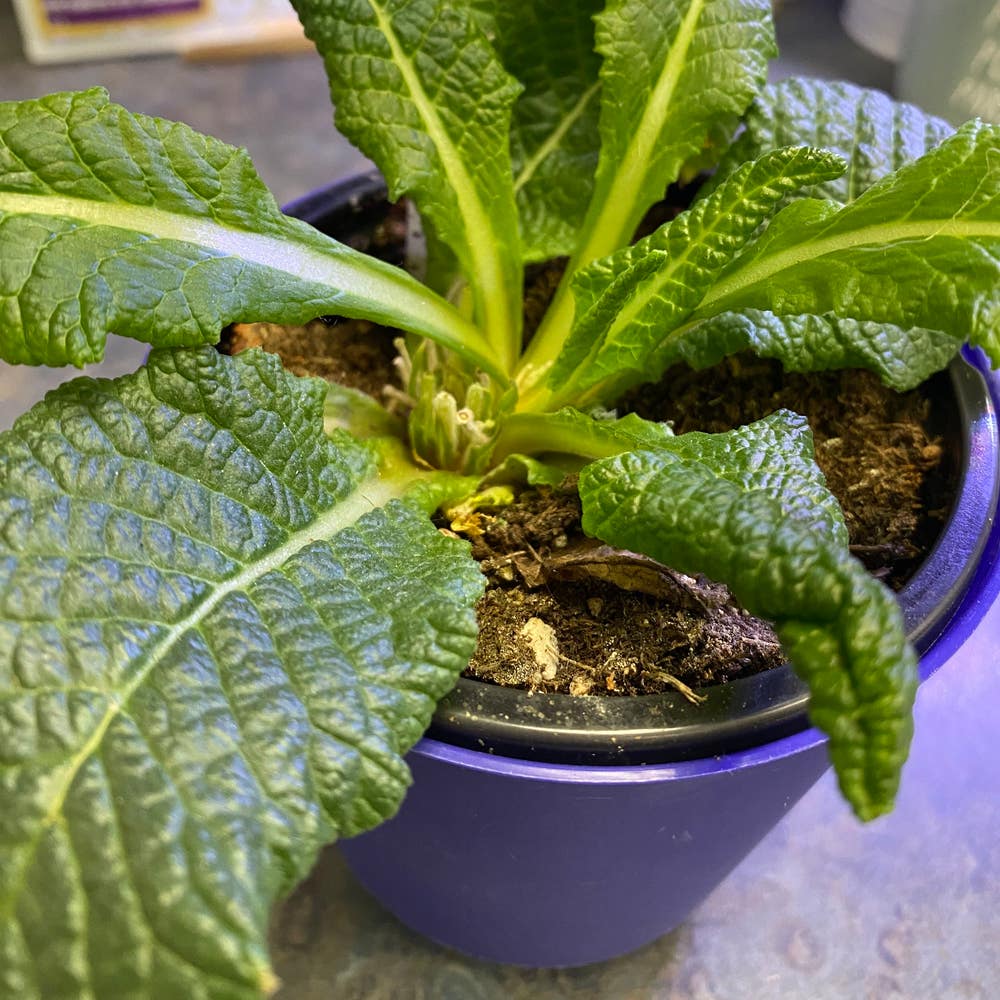
What Is A Good Temperature Range For My Oxlip?
Primula elatior
By the Greg Editorial Team
Feb 14, 2024•4 min read
This article was created with the help of AI so we can cover more plants for you. May contain errors. See one? Report it here.
- Day 70°-75°F, Night 50°-65°F ideal for Oxlip health.
- 🌡️ Monitor with thermometers/apps, adjust for heat/cold stress.
- Humidity around 50% prevents dry tips and root rot.
Spotting the Sweet Spot: Ideal Temperature Range for Oxlip
🌡️ Daytime Delight: Optimal Daytime Temperatures
Oxlips flourish in daytime temperatures between 70° and 75°F. This range is the sweet spot, providing a cozy yet stimulating environment for growth.
🌙 Nighttime Necessities: Ideal Nighttime Temperatures
When the sun sets, oxlips prefer a slight chill. Aim for nighttime temperatures of 50° to 65°F to mimic their natural cool evening habitat.
🌦 Seasonal Shifts: Adjusting for Seasonal Temperature Changes
As seasons change, so should your care. Winter may mean moving your oxlip away from drafty areas, while summer could call for strategic shading during peak heat. Stay vigilant; your plant's comfort depends on it.
When Oxlip Feels the Heat: Recognizing Temperature Stress
♨️ Visual SOS: Identifying Signs of Heat Stress
Oxlips, like any plant, have their limits when it comes to temperature. When they're pushed past their comfort zone, they're not shy about showing it. Wilting leaves are the first red flag; it's like the plant's way of saying, "Can we turn down the heat, please?" If you notice the leaves looking more parched than a desert, with crispy edges or a bleached appearance, it's a clear-cut sign that your Oxlip is baking and not in a good way.
Chilly Symptoms: Detecting Cold Stress in Oxlip
On the other end of the thermometer, cold stress can turn your Oxlip's foliage into a sad display of dark, mushy spots. It's like the plant equivalent of frostbite. New growth is particularly vulnerable, often turning a morose brown or black. If the leaves look like they've been dipped in ice water but feel dry, that's a telltale sign of cellular damage from the cold. It's a silent scream for a warmer spot in your home.
Troubleshooting Temperature Troubles
🌡️ Heat Hazards: Protecting Oxlip from Overexposure
Oxlips can't handle the heat. When the leaves droop or yellow, it's time to act. Move the plant to a cooler area with indirect sunlight. Avoid placing it near heat sources like radiators or sunny windows that can amplify temperatures.
❄️ Cold Snap Care: Shielding Oxlip from Frosty Foes
Cold is an Oxlip's silent enemy. Signs of distress include dark, mushy spots on leaves. Insulate the plant by moving it away from drafty windows. In extreme cases, bubble wrap or plant cloches can serve as a quick shield against the cold.
🚑 Quick Fixes: Immediate Actions to Mitigate Temperature Stress
When temperature stress hits, think fast. Relocate your Oxlip to a stable environment. If it's too hot, a fan can provide gentle airflow. Too cold? Wrap the pot or use a heat lamp for a cozy boost. Remember, Oxlip's comfort zone is key to its thriving.
Keeping Tabs on Temperature
🌡️ Tools of the Trade: Using Thermometers and Apps
Thermometers are the guardians of your Oxlip's comfort. They're not just for checking the weather; they're essential for ensuring your plant's environment stays just right. Smart apps take it up a notch, offering real-time alerts and historical data to keep you in the loop.
🌡️ Making Adjustments: Tips for Regulating Temperature
Adjusting the temperature for your Oxlip isn't rocket science, but it does require vigilance. Keep your plant away from drafty windows and too-close radiators. Consider a heating mat for those colder nights—it's like a snug blanket for your plant's roots. If the mercury rises too much, a simple fan can introduce a gentle breeze, mimicking the Oxlip's natural habitat.
A Quick Dip into Humidity
Humidity is the silent partner to temperature in the Oxlip's comfort dance. While temperature sets the stage, humidity fine-tunes the environment, ensuring your Oxlip doesn't throw a fit.
💦 Humidity's Supporting Role
Ideal humidity levels for Oxlip hover around 50%, striking a balance between a desert and a swamp. This level supports the plant's health without inviting the drama of dry tips or the horror of root rot.
🤹 The Humidity Balancing Act
Too little moisture, and you'll see your Oxlip's leaves curling and crisping at the edges. Too much, and you're hosting a fungal party. It's about keeping that air just moist enough without going overboard.
🛠 Tools of the Trade
Invest in a hygrometer. It's like having a personal weather station, giving you the lowdown on your plant's humidity needs without any guesswork.
🌡 Quick Fixes for Humidity Control
If your Oxlip's air is drier than a comedian's wit, consider a humidifier or a pebble tray. Conversely, if your indoor jungle feels like a prehistoric swamp, dial down the humidity. It's not the hero of the story, but humidity still has its part to play in the Oxlip saga.
⚠️ Safety First
This content is for general information and may contain errors, omissions, or outdated details. It is not medical, veterinary advice, or an endorsement of therapeutic claims.
Always consult a qualified healthcare professional before using any plant as food, medicine, or supplement.
Never eat any plant (or feed one to pets) without confirming its identity with at least two trusted sources.
If you suspect poisoning, call Poison Control (800) 222-1222, the Pet Poison Helpline (800) 213-6680, or your local emergency service immediately.
Spotted an error? Please report it here.
Keep your oxlips thriving 🌱 by using Greg to effortlessly monitor and adjust their environment for that just-right cozy spot.