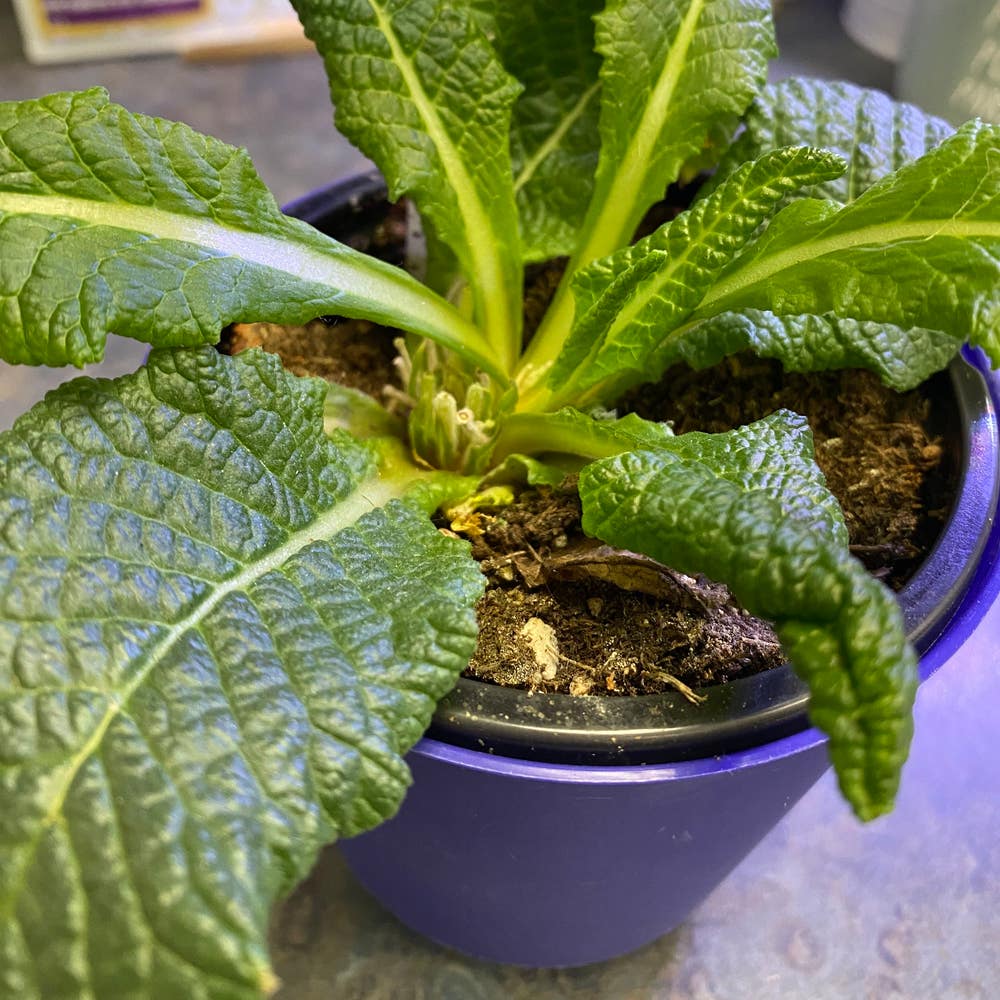
🌼 How to Grow Oxlip: From Soil to Sun
Primula elatior
By the Greg Editorial Team
Sep 30, 2024•5 min read
This article was created with the help of AI so we can cover more plants for you. May contain errors. See one? Report it here.
- 🌤️ Oxlip thrives in partial shade; protect from strong winds and extreme temperatures.
- 🌱 Use moist, well-drained soil enriched with organic matter for optimal growth.
- 💧 Regular watering is crucial; check soil moisture to prevent wilting or root rot.
Site Selection and Soil Preparation
Choosing the Right Location 🌳
Oxlip thrives best in partial shade, so avoid placing it in full sun. Look for microclimates that are sheltered from strong winds and extreme temperatures for optimal growth.
Soil Type and pH Requirements 🌱
For healthy Oxlip, aim for moist, well-drained soil enriched with organic matter. The ideal soil pH ranges from slightly acidic to neutral, specifically between 6.0 and 7.0.
Soil Preparation Techniques 🛠️
To enhance soil fertility, incorporate compost or well-rotted manure into your planting area. Good drainage is crucial to prevent root rot; if your soil tends to retain water, consider using raised beds for better results.
With the right location and soil preparation, you're setting the stage for successful Oxlip growth. Next, let’s explore the best planting techniques to ensure your plants thrive.
Planting Techniques
Best Planting Times 🌱
Timing is everything when it comes to planting Oxlip. Aim for early spring or fall to give your plants the best chance to establish themselves.
Planting Depth and Spacing 📏
When planting, ensure you dig a hole that's 1-2 inches deep. Space your plants 12-18 inches apart to allow for healthy growth and airflow.
Container vs. Outdoor Planting 🪴
Container gardening is a fantastic option if you're short on space. Use pots with drainage holes, making them perfect for patios or small gardens.
For outdoor planting, Oxlip thrives in wildflower gardens or naturalized areas. Just make sure they have adequate moisture to flourish.
With these planting techniques, you're well on your way to creating a vibrant Oxlip display. Next, let’s dive into the essential aspects of watering and fertilizing your plants for optimal growth.
Watering and Fertilizing
🌧️ Oxlip Watering Needs
Oxlips thrive in consistently moist soil, so regular watering is essential. During dry spells, ensure you water deeply to encourage strong root development.
To make watering easier, consider using a soaker hose or drip irrigation. These methods help keep foliage dry, reducing the risk of fungal diseases.
🌱 Fertilizing
For optimal growth, apply a balanced, slow-release fertilizer in early spring. This timing ensures your plants have the nutrients they need as they begin their growing season.
Organic options, such as fish emulsion or compost tea, are excellent choices. They enrich the soil without the harsh chemicals found in synthetic fertilizers.
🚰 Signs of Overwatering or Underwatering
Be vigilant about your watering practices. Overwatering can lead to yellowing leaves, wilting, and even root rot, which can be detrimental to your plants.
On the flip side, underwatering manifests as wilting, browning leaf edges, and stunted growth. Regularly check soil moisture to keep your oxlips healthy and vibrant.
With proper watering and fertilizing techniques, your oxlips will flourish, setting the stage for successful growth. Next, let’s explore how to maintain and prune your plants for continued health and beauty.
Pruning and Maintenance
When and How to Prune 🌿
Pruning is essential for promoting healthy growth in Oxlip. The best time to prune is right after flowering, which encourages new growth and keeps your plants looking tidy.
To prune effectively, focus on deadheading spent flowers and removing any dead or damaged leaves. This simple technique not only enhances the plant's appearance but also redirects energy to new growth.
Ongoing Care Routine 🧹
Regular maintenance is key to a thriving Oxlip garden. Keep the area around the base of the plant clean to prevent pests and diseases from taking hold.
Adjust your care routine with the seasons. Increase watering during dry spells to keep the soil moist, and reduce it in winter when the plant's needs are lower. This attention to detail will help your Oxlip flourish year-round.
With proper pruning and ongoing care, your Oxlip will not only survive but thrive, setting the stage for a vibrant garden. Next, let’s explore common challenges and solutions to ensure your plants remain healthy and robust.
Common Challenges and Solutions
Identifying and Managing Pests 🐞
Oxlip plants can face a few pesky visitors, with aphids and slugs being the most common culprits. To manage these pests, consider hand-picking them off your plants, using organic slug bait, or applying insecticidal soap for a more thorough approach.
Common Diseases 🦠
Root rot is a significant concern, often resulting from overwatering. To prevent this, ensure your soil has excellent drainage to keep your Oxlip thriving.
Another issue is powdery mildew, which can appear in humid conditions. You can manage this by promoting good air circulation around your plants and using fungicides if necessary.
Tips for Overcoming Growth Issues 🌱
If you notice stunted growth in your Oxlip, it might be time to check for nutrient deficiencies. Adjusting your fertilization routine can help restore vigor.
Wilting is another common problem that often signals improper watering. Assess your watering practices and soil moisture levels to ensure your plants are getting what they need.
Conclusion 🏁
Proper care and attention to detail are crucial for successful Oxlip cultivation. With the right techniques, you’ll find that growing Oxlip can be a rewarding and enjoyable experience.
⚠️ Safety First
This content is for general information and may contain errors, omissions, or outdated details. It is not medical, veterinary advice, or an endorsement of therapeutic claims.
Always consult a qualified healthcare professional before using any plant as food, medicine, or supplement.
Never eat any plant (or feed one to pets) without confirming its identity with at least two trusted sources.
If you suspect poisoning, call Poison Control (800) 222-1222, the Pet Poison Helpline (800) 213-6680, or your local emergency service immediately.
Spotted an error? Please report it here.
Transform your garden into a blooming paradise 🌼 with Greg's personalized care reminders that ensure your Oxlip thrives in perfect conditions!