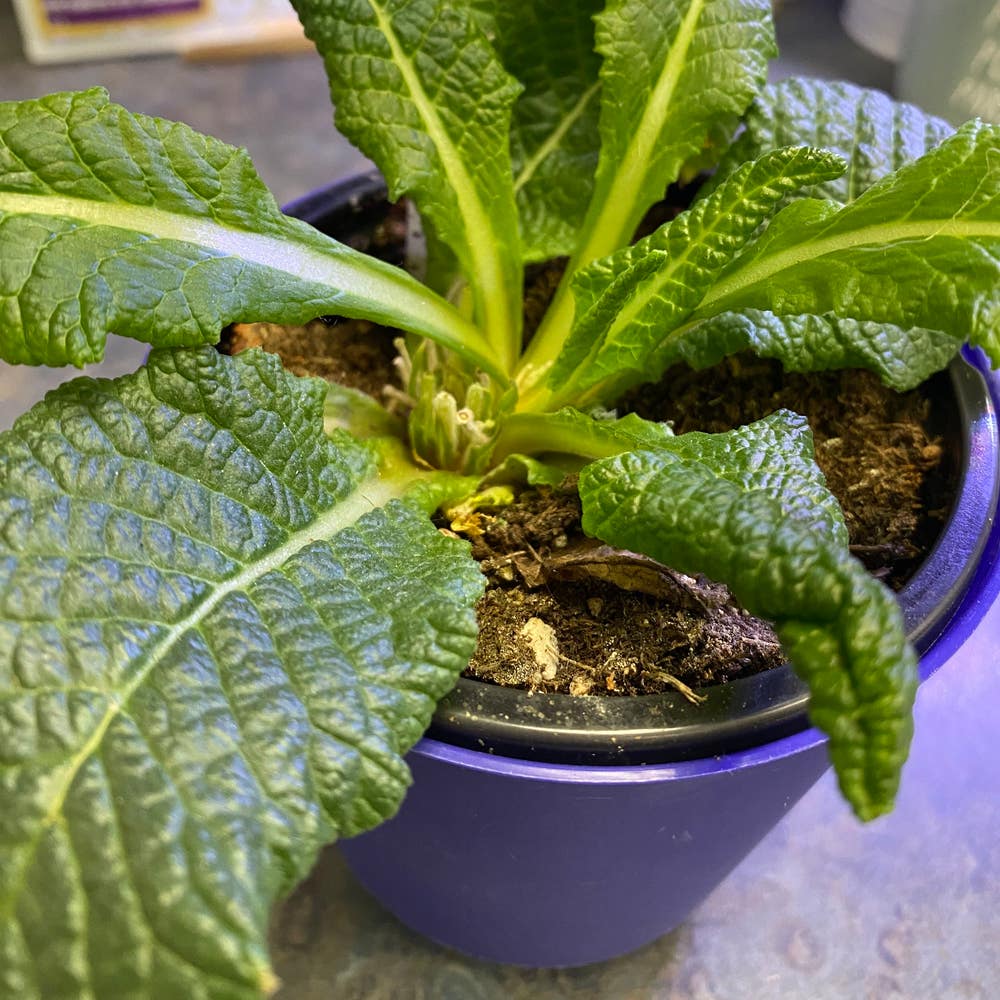
💧 How to Fix Your Oxlip Wilting
Primula elatior
By the Greg Editorial Team
Sep 30, 2024•6 min read
This article was created with the help of AI so we can cover more plants for you. May contain errors. See one? Report it here.
- 💧 Monitor soil moisture to prevent wilting from overwatering or underwatering.
- ☀️ Relocate your Oxlip to avoid heat stress from direct sunlight.
- 🦠 Check for pests and diseases to identify and address wilting issues promptly.
Common Causes of Wilting
💧 Water Stress
Overwatering
Overwatering is a common issue that can lead to wilting in your Oxlip. Symptoms include yellowing leaves, soggy soil, and root rot, often caused by poor drainage or watering too frequently.
Underwatering
On the flip side, underwatering can also cause your plant to wilt. Look for crispy, dry leaves and soil that pulls away from the pot edges, typically due to infrequent watering or dry environmental conditions.
☀️ Heat Stress
Effects of Temperature Fluctuations
Heat stress can wreak havoc on your Oxlip, especially during hot days. Symptoms include wilting and leaf curling, often resulting from exposure to direct sunlight or sudden temperature changes.
🦠 Disease-Related Wilting
Uncommon Causes
While disease-related wilting is rare in Oxlip plants, it can occur under specific conditions. If you notice sudden wilting, discoloration, or leaf drop, it may indicate a pathogenic wilt, but remember that most wilting cases stem from environmental factors rather than diseases.
Understanding these common causes of wilting is crucial for effective plant care. Next, we’ll dive into diagnosing wilting to help you pinpoint the issue more accurately.
Diagnosing Wilting
🕵️♂️ Step-by-Step Guide to Assess Wilting
Inspect the soil moisture level.
Use a moisture meter or perform a finger test by inserting your finger 1-2 inches deep into the soil. This will help you determine if your Oxlip is overwatered or underwatered.Check for signs of pests or disease.
Look closely at the leaves for any discoloration, spots, or webbing. These could indicate pest infestations or diseases that may be causing the wilting.Evaluate environmental conditions.
Assess the light exposure, temperature, and humidity levels around your plant. These factors play a significant role in your Oxlip's health and can contribute to wilting.
🔍 Identifying Symptoms and Environmental Factors
Correlate the observed symptoms with any recent changes in care or environment. For instance, if you recently moved your plant to a sunnier spot, that could explain sudden wilting.
Document any fluctuations in your watering schedule or temperature. Keeping track of these changes can help you pinpoint the cause of the wilting and guide you toward effective solutions.
By following these steps, you can effectively diagnose the issues affecting your Oxlip and take appropriate action to revive it. Next, we’ll explore how to address the wilting based on your findings.
Addressing Wilting
💧 Solutions for Water Stress
For Overwatering
If your Oxlip is suffering from overwatering, the first step is to allow the soil to dry out completely before rewatering. This helps prevent root rot, which can be detrimental to your plant's health.
To improve drainage, consider repotting your Oxlip in a well-draining mix. This will ensure excess water can escape, keeping the roots healthy and happy.
For Underwatering
In cases of underwatering, it's essential to increase your watering frequency. Aim for consistent moisture, but avoid waterlogging the soil.
Using the Greg plant care app can be a game-changer. It sends reminders to help you maintain a regular watering schedule, ensuring your plant gets the hydration it needs.
🌡️ Solutions for Heat Stress
Relocating the Plant
If heat stress is the issue, relocating your plant to a shadier spot during peak sunlight hours can make a significant difference. This simple adjustment can help prevent wilting and leaf curling.
Additionally, using shade cloth or sheer curtains can diffuse direct sunlight. This creates a more stable environment for your Oxlip, allowing it to thrive.
🦠 Addressing Disease-Related Wilting
Isolating the Plant
If you suspect disease, the best course of action is to isolate the affected plant immediately. This prevents any potential spread to your other plants.
Consulting a professional for diagnosis is crucial. If treatment is necessary, use appropriate fungicides, following the label instructions carefully to ensure effective care.
By addressing these issues promptly, you can help your Oxlip recover and flourish. Next, we’ll explore preventive measures to keep your plant healthy and vibrant.
Preventive Measures
Best Practices for Watering 🌊
Watering your Oxlip properly is crucial for its health. Always water thoroughly, but let the top inch of soil dry out between waterings to prevent overwatering.
Using a moisture meter can help you gauge when your plant needs water. This tool ensures you’re not guessing, making your watering routine more effective.
Ideal Environmental Conditions 🌱
Creating the right environment is key to preventing wilting. Aim to maintain humidity levels around 50-70% for optimal growth.
Temperature also plays a significant role; keep it between 15°C to 25°C (59°F to 77°F). This range helps your plant thrive and reduces stress.
Seasonal Care Considerations 🍂
As the seasons change, so should your care routine. Adjust your watering frequency based on the season to meet your plant's needs.
Spring is a time to be vigilant for pests. Regular monitoring during this period can help you catch any infestations early, ensuring your Oxlip stays healthy.
By following these preventive measures, you can significantly reduce the chances of wilting and keep your Oxlip flourishing. Next, let’s explore effective techniques for reviving a wilted plant.
Reviving a Wilted Plant
🌊 Techniques for Bottom Watering
One effective way to revive your wilted Oxlip is through bottom watering. Simply place the pot in a shallow tray of water for about 30 minutes, allowing the plant to absorb moisture from the bottom.
🏡 Relocating the Plant for Optimal Conditions
Next, consider relocating your plant. Move it to a more suitable environment with stable temperature and humidity, ensuring it’s not exposed to sudden changes; acclimate gradually to avoid additional stress.
✂️ Pruning Damaged Leaves
Lastly, don’t forget to prune any damaged leaves. Use clean, sharp scissors to remove wilted or unhealthy foliage, which encourages new growth and reduces stress on the plant.
Reviving a wilted plant can be a rewarding experience, and with these techniques, you’ll be well on your way to restoring your Oxlip to its vibrant self. If issues persist, it may be time to explore further assistance.
When to Seek Further Assistance
🚨 Signs That Professional Help is Needed
If your Oxlip continues to wilt despite your best efforts, it might be time to call in the pros. Persistent wilting can indicate deeper issues that simple adjustments won't fix.
Look out for severe pest infestations or signs of disease. If you notice unusual discoloration, spots, or webbing on the leaves, these could be red flags that require expert intervention.
📚 Resources
Local nurseries are fantastic resources for expert advice and plant care products. They often have knowledgeable staff who can provide tailored solutions for your specific situation.
Online communities, like the Greg app, offer additional support and troubleshooting tips. Engaging with fellow plant enthusiasts can provide insights and encouragement as you navigate your plant care journey.
⚠️ Safety First
This content is for general information and may contain errors, omissions, or outdated details. It is not medical, veterinary advice, or an endorsement of therapeutic claims.
Always consult a qualified healthcare professional before using any plant as food, medicine, or supplement.
Never eat any plant (or feed one to pets) without confirming its identity with at least two trusted sources.
If you suspect poisoning, call Poison Control (800) 222-1222, the Pet Poison Helpline (800) 213-6680, or your local emergency service immediately.
Spotted an error? Please report it here.
Keep your Oxlip thriving 🌿 by using Greg's tailored watering reminders to ensure it gets the perfect care and avoid wilting woes!