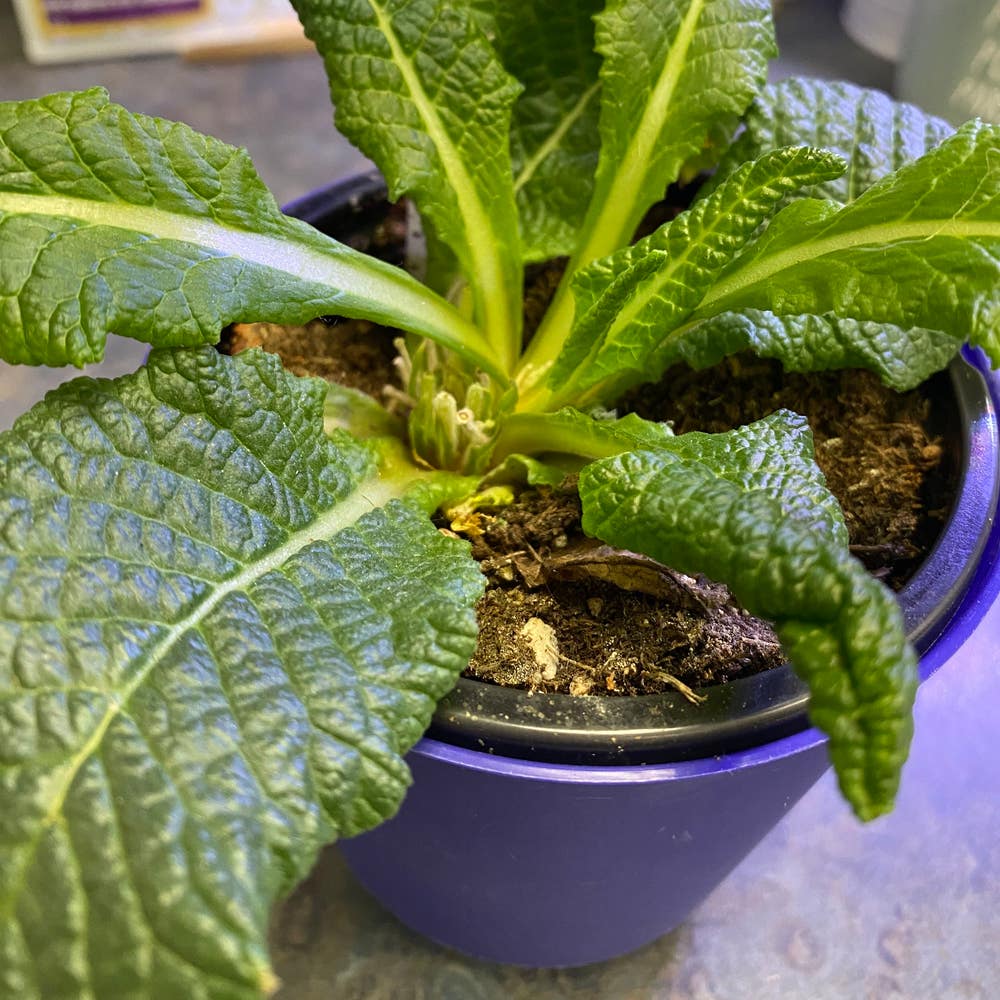
🌤 Best Climate for Oxlip: Zones 4a-8b
Primula elatior
By the Greg Editorial Team
Sep 30, 2024•4 min read
This article was created with the help of AI so we can cover more plants for you. May contain errors. See one? Report it here.
- 🌱 Oxlip thrives in USDA zones 4a-8b, perfect for diverse U.S. climates.
- ❄️ Tolerates temperatures as low as -20°F, ideal for colder regions.
- 🌡️ Optimal growth occurs post-last frost, ensuring healthy plant development.
Oxlip Temperature Tolerance
❄️ Cold Tolerance Specifics
Oxlip can withstand temperatures as low as -20°F (-29°C), making it a hardy choice for gardeners in colder climates. Understanding frost tolerance is crucial; Oxlip can endure light frosts, but the timing of the first and last frost dates significantly impacts its growth cycle.
Frost can damage young shoots, so planting timing is essential. Aim to sow seeds after the last frost and ensure they have enough time to establish before winter sets in.
🔥 Heat Tolerance Specifics
On the flip side, Oxlip thrives best in temperatures up to 85°F (29°C). While it can handle some heat, prolonged exposure to high temperatures can stress the plant, leading to wilting or stunted growth.
To maintain optimal health, ensure consistent moisture during hot spells. This will help the plant cope with heat stress and promote vibrant blooms.
Understanding these temperature tolerances is key to successful Oxlip cultivation, setting the stage for exploring ideal growing regions next.
Ideal Regions for Growing Oxlip
🌍 Suitable US States
Oxlip thrives in USDA zones 4a-8b, making several states ideal for its growth. Key states include:
- Minnesota: Particularly in the southeastern regions, where the climate is milder.
- Wisconsin: The southern parts offer the right balance of temperature and moisture.
- Illinois: Areas near the central and southern borders provide optimal conditions.
- New York: The Hudson Valley region is especially favorable.
- California: Coastal areas in the northern part can support Oxlip well.
These states not only fall within the right temperature zones but also have specific regions that enhance Oxlip's growth potential.
🌱 Factors Contributing to Ideal Conditions
To grow Oxlip successfully, certain environmental factors are crucial.
- Soil Type: Oxlip prefers well-drained, loamy soils rich in organic matter. This helps retain moisture without becoming waterlogged.
- Moisture Levels: Consistent moisture is essential, especially during the growing season. However, avoid overly saturated conditions.
Climate characteristics also play a significant role:
- Rainfall: Adequate rainfall throughout the year supports healthy growth. Aim for regions with moderate precipitation.
- Humidity: A balanced humidity level helps Oxlip flourish without the risk of fungal diseases.
- Temperature Stability: Areas with minimal temperature fluctuations are ideal. This stability promotes robust growth and flowering.
By focusing on these factors, gardeners can create the perfect environment for Oxlip to thrive.
As we explore further, understanding microclimates will reveal even more opportunities for successful Oxlip cultivation.
Microclimates and Their Impact
🌱 Extending the Growing Range
Microclimates can significantly enhance the growing conditions for Oxlip. These localized areas often have different temperature, moisture, and light levels compared to the surrounding environment, making them ideal for nurturing this delicate plant.
To take advantage of microclimates, gardeners can implement several strategies. Positioning Oxlip near structures like walls or fences can provide warmth and protection from harsh winds. Additionally, using mulch can help retain soil moisture and regulate temperature, creating a more stable environment for growth.
🏞️ Examples of Microclimates
In states suitable for Oxlip, such as New York and Pennsylvania, specific microclimates can be found. For instance, areas near lakes or rivers often experience milder temperatures and increased humidity, which are beneficial for Oxlip.
Urban settings can also create unique microclimates. The heat generated by buildings and pavement can lead to warmer temperatures, while green spaces like parks can offer cooler, shaded areas. In contrast, rural settings may provide more consistent conditions, but they can also be subject to greater temperature fluctuations. Understanding these differences can help gardeners choose the best locations for their Oxlip plants.
State-Level Suitability Analysis
🌟 Suitable and Unsuitable States
When it comes to growing Oxlip, certain U.S. states shine brightly within USDA zones 4a-8b. Here’s a quick rundown of states where Oxlip thrives:
- Minnesota
- Wisconsin
- Michigan
- New York
- Pennsylvania
- Ohio
- Oregon
- Washington
These states offer the right combination of temperature and moisture, making them ideal for Oxlip cultivation.
On the flip side, some states fall outside the suitable range. States like Florida, Texas, and California often experience extreme heat or humidity that can hinder Oxlip growth. The warm climate in these areas doesn’t provide the cool, stable conditions Oxlip prefers.
🚧 Challenges in Unsuitable States
Gardeners in unsuitable states face a few common hurdles. High temperatures can stress Oxlip plants, leading to wilting or stunted growth. Additionally, inconsistent rainfall can create dry spells that are detrimental to their health.
To tackle these challenges, consider these strategies:
- Shade Protection: Use shade cloths to shield Oxlip from intense sunlight.
- Soil Moisture Management: Implement drip irrigation to maintain consistent moisture levels.
- Container Gardening: Grow Oxlip in pots that can be moved to more favorable locations.
By employing these techniques, gardeners can create a more conducive environment for Oxlip, even in less-than-ideal states.
As we explore the next section, let’s dive into how microclimates can further enhance the growing conditions for Oxlip.
⚠️ Safety First
This content is for general information and may contain errors, omissions, or outdated details. It is not medical, veterinary advice, or an endorsement of therapeutic claims.
Always consult a qualified healthcare professional before using any plant as food, medicine, or supplement.
Never eat any plant (or feed one to pets) without confirming its identity with at least two trusted sources.
If you suspect poisoning, call Poison Control (800) 222-1222, the Pet Poison Helpline (800) 213-6680, or your local emergency service immediately.
Spotted an error? Please report it here.
Grow thriving Oxlip 🌱 in USDA zones 4a-8b with Greg's tailored care reminders that ensure your plants flourish in any climate!