Top 9 Signs Your Oxlip Has Flower Problems 🌸
Primula elatior
By the Greg Editorial Team
Sep 30, 2024•5 min read
This article was created with the help of AI so we can cover more plants for you. May contain errors. See one? Report it here.
- 🌸 Lack of blooms signals problems; check light, nutrients, and care routines.
- 🌞 Insufficient light exposure is a common cause of poor blooming in Oxlip plants.
- 🌱 Nutritional deficiencies can hinder flower development; use balanced fertilizers for best results.
Signs of Failure to Bloom
🌼 Identifying the Problem
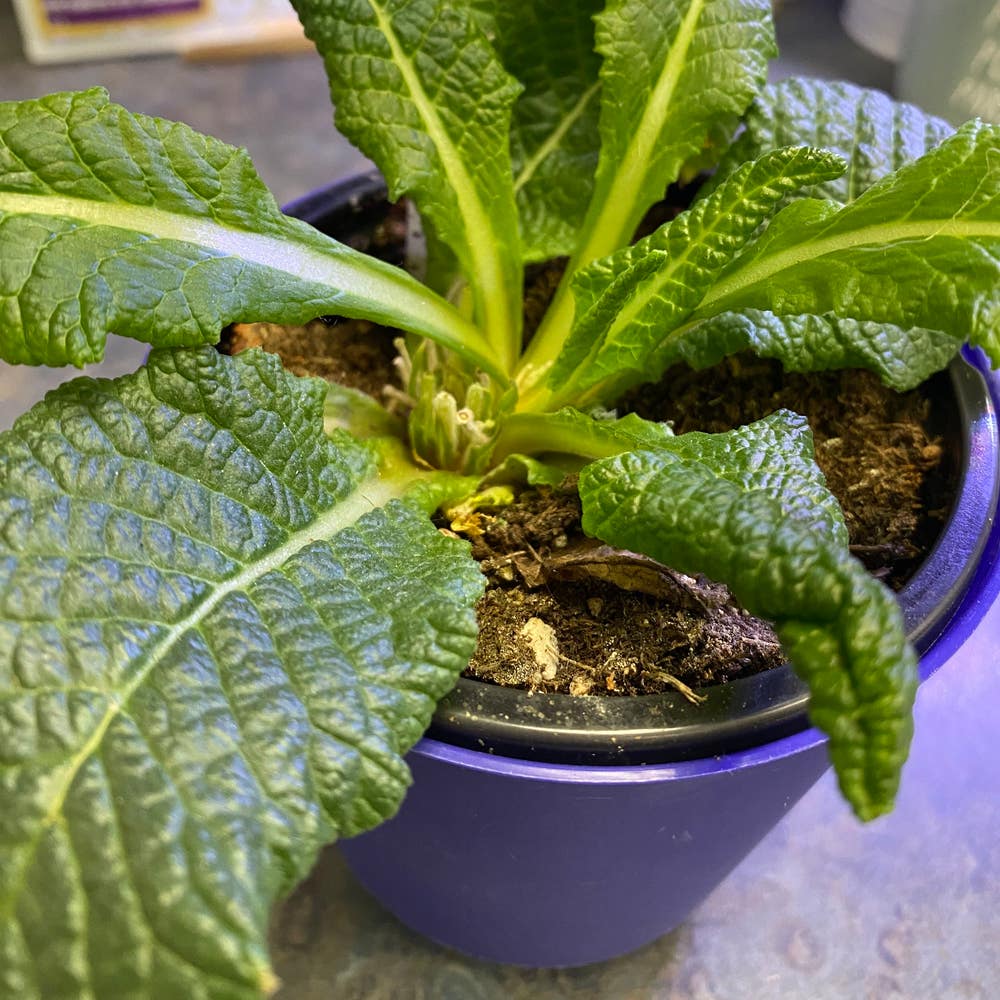
A lack of flowers during the flowering season can be disheartening. You may notice healthy foliage but no blooms, signaling a potential issue.
Delayed blooming is another sign to watch for. If flowers appear later than expected in the bloom cycle, it’s time to investigate further.
🔍 Potential Causes
Insufficient light exposure is a common culprit. Oxlip thrives in partial shade; too much or too little light can hinder blooming.
Nutritional deficiencies can also play a role. Low nitrogen or phosphorus levels may prevent flower development, leaving your plant struggling.
🛠️ Solutions
Adjusting light conditions can make a significant difference. Ensure your Oxlip receives the appropriate light for optimal blooming.
Fertilizing with a balanced fertilizer is another easy fix. A fertilizer high in phosphorus can encourage those beautiful blooms to flourish.
By addressing these issues, you can help your Oxlip reach its full blooming potential. Next, let’s explore the causes of premature flower drop and how to manage them effectively.
Causes of Premature Flower Drop
🧐 Understanding the Issue
Premature flower drop in Oxlip can be frustrating. This occurs when buds or flowers shed before they fully bloom, robbing you of their beauty.
🔍 Potential Causes
Environmental Stress
Sudden changes in temperature or humidity can stress the plant. This stress often leads to bud drop, making it crucial to maintain stable conditions.
Overwatering or Poor Drainage
Excess moisture is another culprit. Overwatering can cause root rot, which ultimately results in premature flower drop.
🛠️ Solutions
Monitoring Environmental Conditions
To minimize stress, keep your Oxlip in a stable environment. Regularly check temperature and humidity levels to ensure they remain consistent.
Improving Soil Drainage
Using well-draining soil is essential. Avoid waterlogging by ensuring proper drainage, which helps prevent root rot and supports healthy blooms.
By addressing these issues, you can help your Oxlip thrive and enjoy a vibrant display of flowers. Next, let’s explore how cultural practices can further enhance flowering.
Abnormal Flower Development
Identifying Abnormalities 🌼
When your Oxlip flowers appear misshapen or discolored, it’s a clear sign something is off. Additionally, if you notice inconsistent blooming patterns among different cultivars, it’s time to investigate further.
Potential Causes 🐛
One major culprit could be nutritional imbalances. Excess nitrogen often results in lush foliage but poor flower quality, leaving you with beautiful leaves and few blooms.
Pest infestations can also wreak havoc on flower development. Pests can damage flower buds, leading to abnormal growth and disappointing displays.
Solutions 🛠️
To combat these issues, regular soil testing is essential. Checking nutrient levels allows you to adjust fertilization accordingly, ensuring your Oxlip gets what it needs.
Implementing pest control measures is equally important. Consider using organic pesticides or introducing beneficial insects to keep pests at bay and promote healthy flower development.
By addressing these abnormalities, you can help your Oxlip thrive and produce the stunning blooms you desire. Next, let’s explore how cultural practices can further impact flowering.
Cultural Practices Impacting Flowering
🌿 Importance of Proper Pruning Techniques
Pruning is crucial for encouraging healthy blooms in your Oxlip. The best time to prune is right after flowering, as this promotes new growth for the next season.
When pruning, focus on removing dead or damaged flowers. This simple technique can significantly enhance the overall health and blooming potential of your plant.
💧 Watering Practices That Support Flowering
Maintaining consistent moisture levels is essential for Oxlip flowering. Aim to keep the soil evenly moist, but avoid soggy conditions that can lead to root rot.
A deep but infrequent watering schedule is ideal. This encourages deep root growth, which is vital for the plant's overall health and blooming success.
🌸 Seasonal Care Adjustments for Optimal Blooms
Adjusting your care routine based on the bloom cycle can make a world of difference. As flowering approaches, consider increasing fertilization to provide the necessary nutrients for vibrant blooms.
Seasonal mulching is another effective practice. Applying mulch helps retain moisture and regulates soil temperature, creating a stable environment for your Oxlip to thrive.
By implementing these cultural practices, you can significantly enhance your Oxlip's flowering potential. Next, let’s explore pest and disease issues that could hinder your plant's blooming success.
Pest and Disease Issues
🐛 Identifying Pests That Affect Flower Development
Oxlips can fall victim to several common pests, including aphids, slugs, and snails. These pests can wreak havoc on your flowers, leading to distorted leaves, holes in blooms, and sticky residue that signals an infestation.
🦠 Common Diseases Leading to Bud Drop
Fungal infections like powdery mildew and root rot are notorious for causing bud drop in Oxlip. Symptoms often include wilting, yellowing leaves, and the heartbreaking sight of premature bud drop.
🛠️ Solutions for Pest and Disease Management
To combat these issues, consider implementing integrated pest management strategies. This includes using traps, barriers, and organic pesticides to keep pests at bay.
For disease prevention, ensure good air circulation around your plants and avoid overhead watering. These practices can significantly reduce the risk of fungal infections and help your Oxlip thrive.
By staying vigilant and proactive, you can protect your Oxlip from pests and diseases, ensuring a vibrant bloom season ahead. Next, let’s explore how cultural practices can further enhance your plant's flowering potential.
⚠️ Safety First
This content is for general information and may contain errors, omissions, or outdated details. It is not medical, veterinary advice, or an endorsement of therapeutic claims.
Always consult a qualified healthcare professional before using any plant as food, medicine, or supplement.
Never eat any plant (or feed one to pets) without confirming its identity with at least two trusted sources.
If you suspect poisoning, call Poison Control (800) 222-1222, the Pet Poison Helpline (800) 213-6680, or your local emergency service immediately.
Spotted an error? Please report it here.
Boost your Oxlip's blooming potential 🌸 by using Greg's tailored care reminders to optimize light, nutrition, and environmental conditions for stunning flowers!