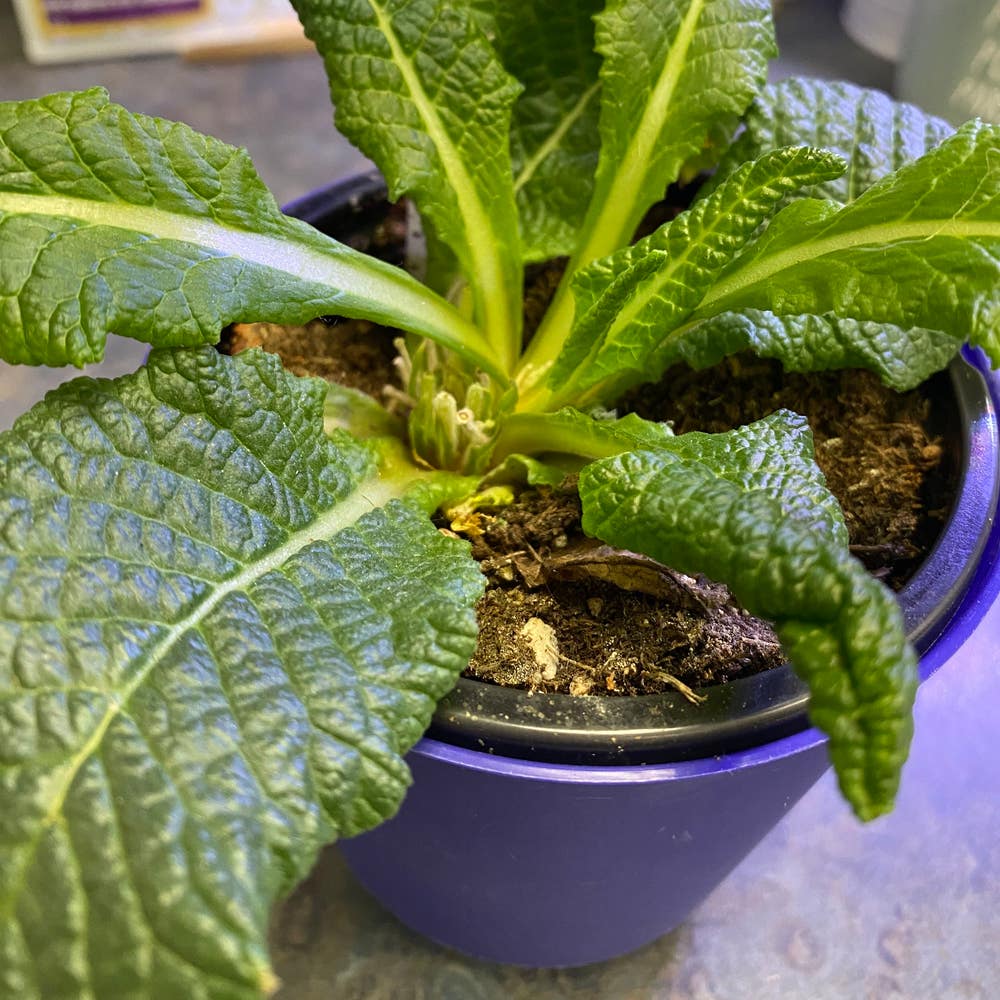
What Are The Bugs on My Oxlip? 🐛
Primula elatior
By the Greg Editorial Team
Feb 14, 2024•4 min read
This article was created with the help of AI so we can cover more plants for you. May contain errors. See one? Report it here.
- 🕸️ Spider mites show webs, while scale insects look like bumps on Oxlip.
- Alcohol swabs and soaps combat mealybugs; ladybugs eat aphids/thrips.
- Prevent pests with regular checks, proper watering, and quarantine for new plants.
Spot the Invader: Identifying Common Oxlip Pests
🕷️ Spider Mites
Webs and speckled leaves are the calling cards of spider mites. These tiny pests are masters at staying unseen until their artwork of damage is evident on your Oxlip's foliage.
🦟 Scale Insects
Spotting scale insects requires a keen eye for detail. Look for bumps on stems and leaves that seem out of place. These pests are stationary but deadly, draining the life out of your plant one sip at a time.
🦟 Fungus Gnats and Fruit Flies
If you see adults buzzing around or notice larvae in the soil, you're dealing with fungus gnats or fruit flies. Overwatering is usually the culprit inviting these pests to the party.
🐛 Mealybugs
Cottony clusters tucked away in crevices spell trouble. Mealybugs are the fluffy invaders turning the nooks of your Oxlip into their personal hideaways.
🦗 Aphids and Thrips
New growth and flowers under attack? Sap-sucking pests like aphids and thrips are likely to blame. These tiny bugs can cause big problems as they feast on the vital juices of your plant.
Battle Tactics: Effective Remedies for Each Pest
🕷️ Spider Mites
Spider mites despise high humidity. Increase moisture through misting or a humidifier to deter them. For a direct attack, mix alcohol with water and spray it on the leaves, wiping away the pests and their webs. In severe cases, a miticide like bifenthrin may be necessary, but use it sparingly to avoid harming beneficial insects.
🦠 Scale Insects
Catch scale insects early, especially during their crawler stage. Use a toothpick or alcohol-dabbed cotton swab for precision removal. For a broader approach, smother them with horticultural oil, ensuring complete coverage. Rotate treatments to prevent resistance and follow product safety instructions closely.
🦟 Fungus Gnats and Fruit Flies
Combat these pests by letting the soil dry out between waterings, disrupting their life cycle. Employ sticky traps to monitor infestations. Introduce beneficial nematodes into the soil to wage biological warfare against larvae, providing a natural and effective solution.
🐛 Mealybugs
When mealybugs invade, fight back with alcohol-dipped swabs applied directly to the pests. For larger problems, insecticidal soap can act as a pest control blanket, suffocating the invaders. Reapply as necessary until your plant is mealybug-free.
🐜 Aphids and Thrips
Leverage the power of natural predators like ladybugs and lacewings to keep aphids and thrips in check. If the infestation persists, resort to insecticidal soap for a more direct approach. Ensure thorough application for maximum effectiveness, and always consider the impact on non-target organisms.
Fortify Your Oxlip: Prevention Strategies
🕵️ Regular Checks and Environmental Controls
Vigilance is paramount in keeping your Oxlip pest-free. Regular inspections act as an early warning system, catching invaders before they can wreak havoc. Look for unusual leaf markings, sticky residues, or actual critters.
Ensure your Oxlip's environment is not an open invitation for pests. Air circulation should be adequate, and humidity levels need to be in check to discourage unwanted guests.
🚫 Quarantine New Plants
When introducing new plants to your collection, think of them as potential carriers of microscopic stowaways. Quarantine them away from your Oxlips for at least a month. This period allows you to observe any signs of pest activity without risking your existing plants.
💧 Proper Watering Practices
Overwatering is a sin in the plant world—it's an engraved invitation for pests and diseases. Monitor your Oxlip's soil moisture and adjust your watering schedule accordingly. A well-draining potting mix is your ally in this crusade, preventing the dreaded root rot and other moisture-loving pests.
🌱 Soil and Pot Selection
Choosing the right soil and pot for your Oxlip is like picking a suit of armor for a knight. Go for well-draining soil and pots with drainage holes to keep the roots healthy and unattractive to pests.
✂️ Pruning and Hygiene
Keep your Oxlip's living space clean and tidy. Remove dead leaves and debris where pests might breed. Regular pruning not only keeps your plant looking sharp but also removes potential pest hideouts.
Remember, the goal is to create a fortress around your Oxlip, making it a less appealing target for pests. It's not just about reacting to problems; it's about setting up defenses so those problems never arise.
⚠️ Safety First
This content is for general information and may contain errors, omissions, or outdated details. It is not medical, veterinary advice, or an endorsement of therapeutic claims.
Always consult a qualified healthcare professional before using any plant as food, medicine, or supplement.
Never eat any plant (or feed one to pets) without confirming its identity with at least two trusted sources.
If you suspect poisoning, call Poison Control (800) 222-1222, the Pet Poison Helpline (800) 213-6680, or your local emergency service immediately.
Spotted an error? Please report it here.
Banish those pesky bugs from your Oxlip by following Greg's custom watering plans 💧 and tapping into expert advice, ensuring your plant stays healthy and vibrant.