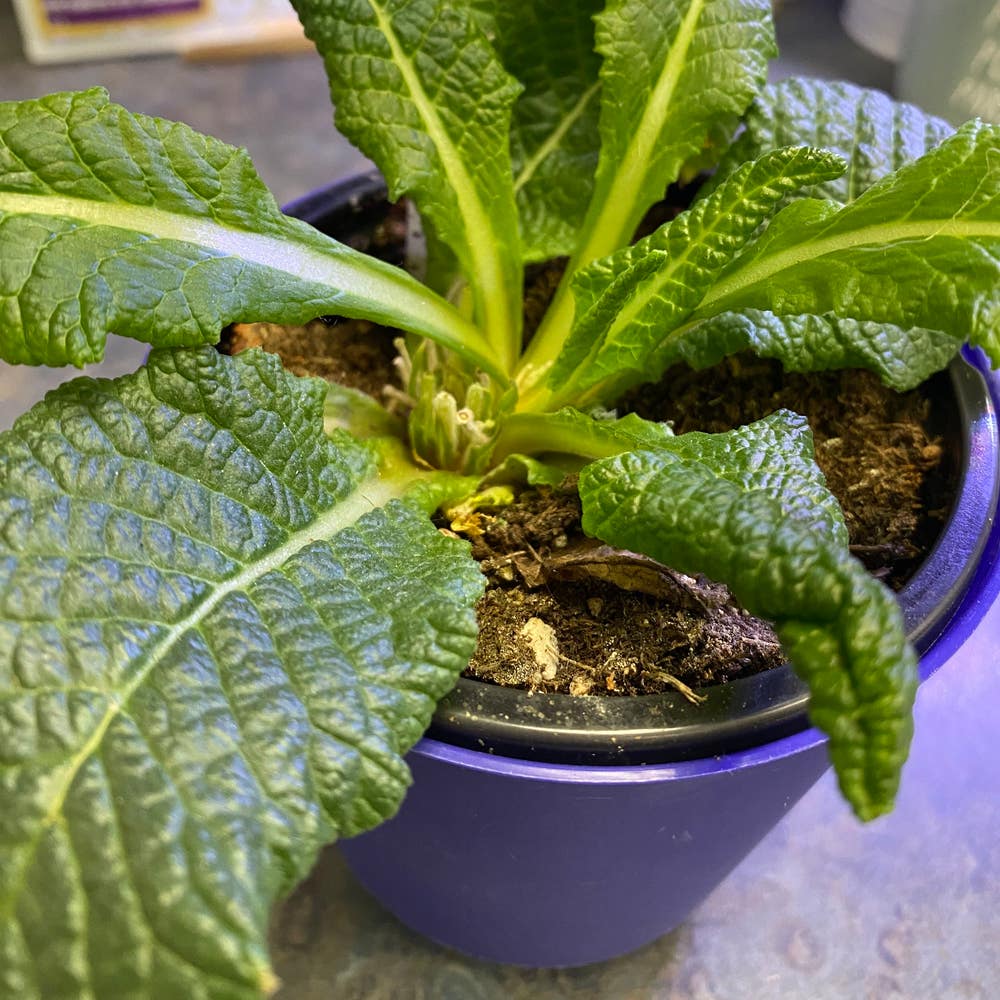
How Much Humidity Does My Oxlip Need?
Primula elatior
By the Greg Editorial Team
Feb 14, 2024•4 min read
This article was created with the help of AI so we can cover more plants for you. May contain errors. See one? Report it here.
- Ideal humidity for Oxlips: 50% or higher for growth and blooms.
- Monitor and adjust: Use hygrometers, humidifiers, and airflow for balance.
- Seasonal care is key: Change humidity levels with the seasons for Oxlip health.
Dialing in the Perfect Humidity for Your Oxlip
🌿 What's the Sweet Spot?
Finding the ideal humidity range for your Oxlip is key to its vitality. Oxlips flourish in humidity levels that mirror their native woodland environments. Aim for a humidity range of 50% or higher, which supports lush growth and vibrant blooms. This level keeps the plant happy without veering into the danger zones of dryness or excessive moisture.
📏 Measuring Up
To ensure your Oxlip is living its best life, monitoring humidity is non-negotiable. A hygrometer is your trusty sidekick in this quest. Digital hygrometers with memory functions are particularly handy, allowing you to track daily fluctuations. Place the device near your Oxlip, but away from deceptive elements like direct sunlight or drafts. Regular checks are crucial; humidity can be as fickle as spring weather.
When Your Home is a Desert: Boosting Humidity for Oxlip
🌴 Creating a Tropical Oasis
Oxlips thrive in moist air, but not every home comes with a built-in rainforest. To ramp up the humidity, group your plants together. This isn't just for aesthetics; it's a strategic move. Each plant releases moisture through transpiration, and when clustered, they create a mini-humidity haven.
Pebble trays are another simple yet effective tool. Fill a tray with water, add a layer of pebbles, and place your Oxlip pot on top. The water evaporates, surrounding your plant with a gentle mist of moisture, without the risk of waterlogged roots.
📱 Tech to the Rescue
When the air in your home is drier than a stand-up comedian's humor, it's time for humidifiers to step in. Choose a model that fits your space and runs quietly—no one wants a freight train in the living room. Position it near your Oxlip for that consistent misty environment it craves.
Remember, while technology can be a lifesaver, it's not the only hero in this story. Use a humidifier in combination with other methods like pebble trays and plant grouping. This multi-pronged approach will help you hit that sweet spot of humidity, ensuring your Oxlip doesn't just survive, but thrives.
When It's a Rainforest in Your Living Room: Lowering Humidity for Oxlip
💨 Airflow is Your Friend
Excessive humidity can turn your home into a plant sauna, which isn't ideal for your Oxlip. Air circulation is crucial to combat this.
Crack a Window
Simply opening a window can introduce a breath of fresh air, quite literally, to your indoor garden. It's a no-cost solution that can make a significant difference.
Fan It Out
An oscillating fan can work wonders by keeping the air moving. Position it so that it doesn't blow directly on your Oxlip but still promotes airflow in the room.
🌬️ The Dehumidifier Dilemma
Sometimes, natural methods aren't enough, and you'll need to bring in the big guns: a dehumidifier.
When to Use a Dehumidifier
If your Oxlip's leaves start to feel like they're in a steam room, it's time for a dehumidifier. Set it to maintain the ideal 40-60% humidity range.
Choosing the Right Dehumidifier
Not all dehumidifiers are created equal. Select one that matches the size of your space to avoid turning your tropical haven into a desert.
Dehumidifier Placement
Place your dehumidifier strategically in the room. Ensure it's not too close to your plants to prevent them from experiencing a dry spell.
Remember, your Oxlip relies on you to strike the perfect humidity balance. Keep the air fresh and the moisture in check, and your Oxlip will thrive.
Keeping Tabs on Your Oxlip's Humidity Needs
💨 Seasonal Shifts
Winter's chill and indoor heating can turn your home into the Sahara for your Oxlip. Boost humidity with a humidifier or by clustering plants together. As spring arrives, ease into a more moderate routine, reflecting the natural increase in air moisture.
Summer brings a different challenge with its muggy embrace. Ease off on the artificial humidity and let the natural balminess do its thing. Come fall, the air dries out again, so it's back to keeping an eye on that hygrometer and making sure your Oxlip isn't left high and dry.
🌿 Signs of Discontent
Your Oxlip's leaves are the barometer of its happiness. Curling or crispy edges? The air's too arid. Yellowing or brown spots? That's the cry for less moisture. If you see root rot or a sullen, droopy plant, it's time to reassess your watering schedule and the overall humidity.
Regular monitoring is your best bet. Keep that hygrometer close and adjust your care tactics with the finesse of a plant whisperer. Remember, your Oxlip's comfort is a moving target, but with vigilance, you'll hit the bullseye.
⚠️ Safety First
This content is for general information and may contain errors, omissions, or outdated details. It is not medical, veterinary advice, or an endorsement of therapeutic claims.
Always consult a qualified healthcare professional before using any plant as food, medicine, or supplement.
Never eat any plant (or feed one to pets) without confirming its identity with at least two trusted sources.
If you suspect poisoning, call Poison Control (800) 222-1222, the Pet Poison Helpline (800) 213-6680, or your local emergency service immediately.
Spotted an error? Please report it here.
Ensure your Oxlip's blooms stay lusciously vibrant 🌺 by following Greg's tailored guidance to perfect your home's humidity for plant prosperity.