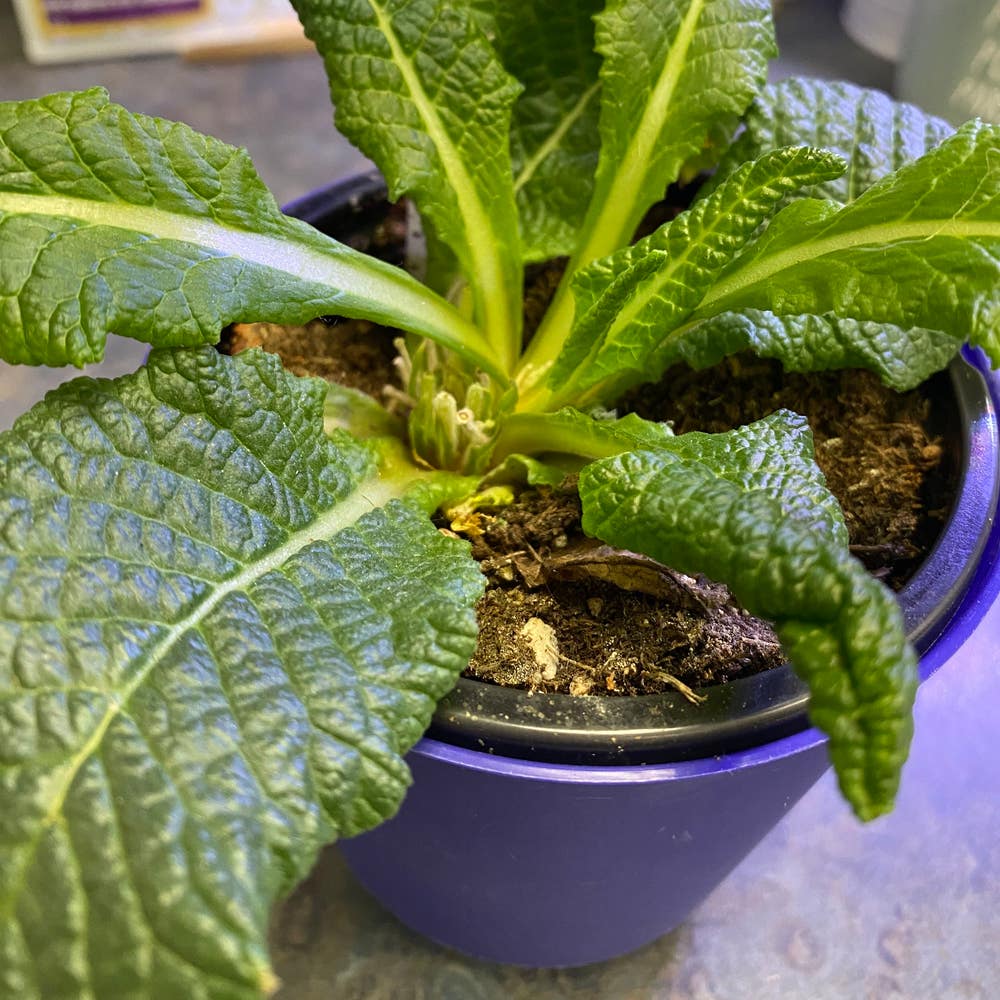
10 Benefits of Having a Oxlip
Primula elatior
By the Greg Editorial Team
Feb 14, 2024•4 min read
This article was created with the help of AI so we can cover more plants for you. May contain errors. See one? Report it here.
- 🌼 Early spring blooms: Oxlip welcomes the season with vibrant life.
- 🐝 Attracts wildlife: A sanctuary for bees and butterflies.
- 🌱 Low-maintenance & eco-friendly: Easy care and supports biodiversity.
A Burst of Spring on Your Doorstep
🌼 Welcoming the Season with Oxlip's Early Blooms
Oxlips herald spring with their delicate blossoms, offering a visual feast after the winter's slumber. Blooming from March to May, they're among the first to greet the season, setting the stage for a vibrant garden tableau.
🐝 The Joy of a Garden Buzzing with Life
Wildlife thrives when Oxlip is around, its nectar-rich flowers a beacon for bees, butterflies, and other insects. By planting Oxlip, you're not just beautifying your space; you're crafting a sanctuary for these vital creatures.
Oxlip's Gifts to Your Well-being
🌸 A Whiff of Nostalgia
The sweet fragrance of Oxlip flowers is more than just a pleasant aroma; it's a sensory journey to simpler times. Inhaling its scent can evoke memories that calm the mind and ease the soul, much like the comfort of grandma's home-baked cookies or a stroll through a pine and honey-scented forest. It's the olfactory equivalent of a warm embrace, capable of soothing stress and anxiety with each breath.
💊 The Forgotten Medicine
Oxlip isn't just a pretty face in the garden; it's a traditional healer in disguise. Known for its respiratory benefits, this plant also combats headaches, digestive issues, and skin conditions. Its extracts are found in skincare for their moisturizing qualities, and modern research is exploring its strong antioxidant activity. Oxlip's healing properties are a testament to nature's ability to offer remedies that have stood the test of time, often forgotten in the shadow of modern medicine.
Enhancing Your Garden's Story
🎨 Painting Your Garden with Oxlip's Aesthetic Strokes
Oxlip (Primula elatior) isn't just a plant; it's a palette of spring hues. Its clusters of pale yellow flowers add a delicate touch to any garden, evoking a sense of renewal. Positioned in shaded areas or woodland settings, Oxlip complements ferns and hostas, creating a tapestry of texture and color.
📜 From Folklore to Your Backyard: Oxlip's Cultural Tapestry
Shakespeare himself nodded to Oxlip's charm in "A Midsummer Night's Dream," cementing its place in cultural history. This isn't mere flora; it's a storyteller, rooted in tradition and folklore. By planting Oxlip, you're weaving a narrative thread that stretches back to medieval herbal remedies and fairy tales. Conservation efforts highlight its importance, urging gardeners to cultivate Oxlip and support biodiversity.
The Effortless Gardener's Companion
🌼 Oxlip's Self-Sufficient Nature: A Low-Maintenance Friend
Oxlip, or Primula elatior, thrives in the partial shade of a garden, asking little in return. Its semi-evergreen presence means less work for the gardener and more time to enjoy its soft yellow blooms. This perennial's hardiness is a boon, earning it the Royal Horticultural Society's Award of Garden Merit.
🌱 The Charm of an Evergreen: Oxlip's Naturalizing Prowess
Once established, Oxlip spreads its charm effortlessly, naturalizing to create swathes of vibrant color with minimal intervention. It's the garden's equivalent of a self-reliant friend, one who doesn't need constant check-ins to flourish. Its ability to self-propagate ensures that your garden remains a haven of tranquility year after year.
Eco-Friendly Gardening with Oxlip
Oxlip (Primula elatior) not only graces gardens with its early spring blooms but also serves as a steward of the environment. Its presence signifies a healthy ecosystem, thriving in undisturbed areas with balanced soil moisture.
🌱 Supporting Mother Nature
Oxlip's ecological contributions are noteworthy. It's an indicator species, hinting at the well-being of grassland habitats. By planting Oxlip, gardeners foster biodiversity and support local wildlife, from pollinators to microorganisms essential for soil health. This plant's natural resilience discourages the need for chemical interventions, aligning gardening practices with sustainable living.
🏡 The Cottage Garden Effect
Imagine a garden that tells a story, where Oxlip plays a lead role. It's not just about the aesthetics; it's about invoking a sense of place and time. A cottage garden brimming with Oxlips and other perennials can transport us to a bygone era, a simpler time that resonates with our eco-conscious spirit. It's a living tableau, one that reduces our carbon footprint by favoring perennials over annuals and encouraging self-seeding plants that require less human intervention.
In essence, incorporating Oxlip into your garden is a nod to both heritage and future sustainability. It's a choice that says you care about the planet and appreciate the timeless beauty that nature offers.
⚠️ Safety First
This content is for general information and may contain errors, omissions, or outdated details. It is not medical, veterinary advice, or an endorsement of therapeutic claims.
Always consult a qualified healthcare professional before using any plant as food, medicine, or supplement.
Never eat any plant (or feed one to pets) without confirming its identity with at least two trusted sources.
If you suspect poisoning, call Poison Control (800) 222-1222, the Pet Poison Helpline (800) 213-6680, or your local emergency service immediately.
Spotted an error? Please report it here.
Nurture your garden's bee-friendly 🐝 Oxlip with ease, as Greg crafts a personalized care plan that honors tradition and supports biodiversity.