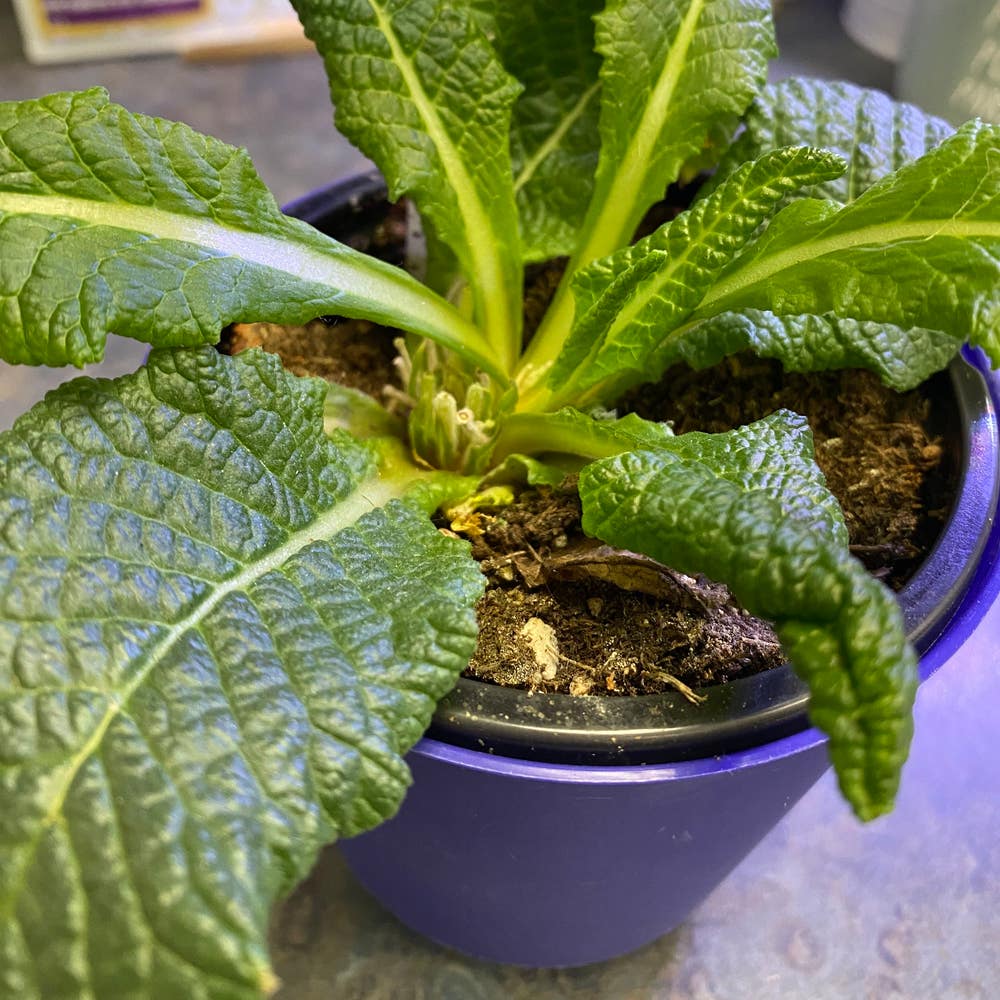
🌼 How Big Oxlip Grows
Primula elatior
By the Greg Editorial Team
Sep 30, 2024•4 min read
This article was created with the help of AI so we can cover more plants for you. May contain errors. See one? Report it here.
- 🌱 Big Oxlip grows 12-18 inches tall and spreads 12-24 inches wide.
- ☀️💧 Optimal light and moisture are crucial for healthy growth and size.
- 🌼 Pruning and fertilization enhance growth and manage size effectively.
Mature Height and Spread
Typical Dimensions 🌱
The Big Oxlip typically reaches a mature height of 12 to 18 inches. Its spread can vary from 12 to 24 inches, making it a versatile choice for various garden settings.
Factors Influencing Size 🌍
Environmental conditions play a crucial role in determining the size of the Big Oxlip. Factors such as soil quality, moisture levels, and light exposure can lead to noticeable variability in height and spread.
During blooming seasons, the Oxlip can expand, affecting its overall dimensions. This seasonal growth can add an extra layer of beauty to your garden, showcasing the plant's vibrant flowers while also altering its size.
Understanding these factors can help you create the ideal environment for your Big Oxlip, ensuring it thrives and reaches its full potential. Next, we’ll explore the growth rate of this fascinating plant and how quickly it can reach maturity.
Growth Rate
Average Growth Rate 🌱
The growth rate of Big Oxlip can vary significantly depending on environmental factors. Under optimal conditions, you can expect a moderate growth rate that may accelerate with the right care.
Time to Reach Full Size ⏳
Typically, Big Oxlip takes about 2-3 years to reach its mature dimensions. Factors like soil type, light conditions, and moisture levels can either speed up or slow down this growth process.
Understanding these elements can help you cultivate a thriving plant that meets your expectations. With the right nurturing, your Big Oxlip can flourish beautifully, adding charm to your garden.
As we explore further, let’s dive into how environmental conditions specifically influence the size of your Big Oxlip.
Size Variability Based on Environmental Conditions
🌱 Soil Type and Its Impact on Growth
The type of soil plays a crucial role in the growth of Big Oxlip. Nutrient-rich soils can lead to larger, healthier plants, while poor or compacted soils may stunt their growth.
☀️ Light Conditions and Their Effect on Size
Light exposure significantly influences size. Full sun enhances growth rates, whereas too much shade can limit the plant's potential.
💧 Watering Practices and Size Implications
Consistent moisture is vital for optimal growth. Both overwatering and underwatering can result in stunted growth or unpredictable size variations.
🌿 Fertilization and Its Role in Growth Rate
Regular fertilization can boost growth rates and overall size. For the best results, balanced NPK fertilizers are highly recommended.
Understanding these environmental factors can help you cultivate a thriving Big Oxlip. Next, we’ll explore the fascinating world of dwarf and giant varieties, showcasing the diversity within this plant species.
Dwarf and Giant Varieties
Dwarf Varieties 🌱
Dwarf Oxlip varieties are the petite champions of the garden. Typically standing under 12 inches tall, these compact plants are perfect for smaller spaces or container gardening.
Their reduced size doesn’t compromise their charm; they still produce vibrant blooms that can brighten any spot. These varieties are ideal for gardeners looking to add a touch of color without overwhelming their landscape.
Giant Varieties 🌳
On the flip side, giant Oxlip varieties can truly make a statement. With heights that can exceed 18 inches, these robust plants thrive in optimal soil and moisture conditions.
Their impressive stature can create a stunning focal point in any garden. If you have the right environment, these giants can flourish, adding drama and beauty to your outdoor space.
In summary, whether you prefer the compactness of dwarf varieties or the grandeur of giants, Oxlip offers options that cater to diverse gardening needs. Next, let’s explore how environmental conditions can influence the size of these remarkable plants.
Controlling Size
🌿 Pruning Techniques for Size Management
To keep your Big Oxlip in check, consider pinching back flowers and leaves. This simple technique helps control both height and spread, making your plant more manageable.
Timing is crucial; perform this after flowering. Doing so encourages bushier growth, giving your plant a fuller appearance.
📏 Best Practices for Maintaining Desired Dimensions
Regular monitoring is key to maintaining your Oxlip's size. Adjust your care practices based on its growth patterns to ensure it stays within your desired dimensions.
For taller varieties, using stakes or supports can help maintain shape. This not only provides stability but also enhances the overall aesthetic of your garden.
🌸 Seasonal Considerations for Pruning
Spring is the perfect time for pruning. This encourages healthy growth before blooming, setting the stage for a vibrant display.
Post-bloom pruning is equally important. It helps manage size and promotes new growth, ensuring your Oxlip remains lush and vibrant throughout the season.
By implementing these techniques, you can enjoy a well-maintained Big Oxlip that fits perfectly into your garden space. Next, let’s explore the fascinating world of dwarf and giant varieties!
⚠️ Safety First
This content is for general information and may contain errors, omissions, or outdated details. It is not medical, veterinary advice, or an endorsement of therapeutic claims.
Always consult a qualified healthcare professional before using any plant as food, medicine, or supplement.
Never eat any plant (or feed one to pets) without confirming its identity with at least two trusted sources.
If you suspect poisoning, call Poison Control (800) 222-1222, the Pet Poison Helpline (800) 213-6680, or your local emergency service immediately.
Spotted an error? Please report it here.
Help your Big Oxlip flourish beautifully 🌼 with Greg's personalized care tips and reminders that ensure it reaches its full potential in size and bloom!