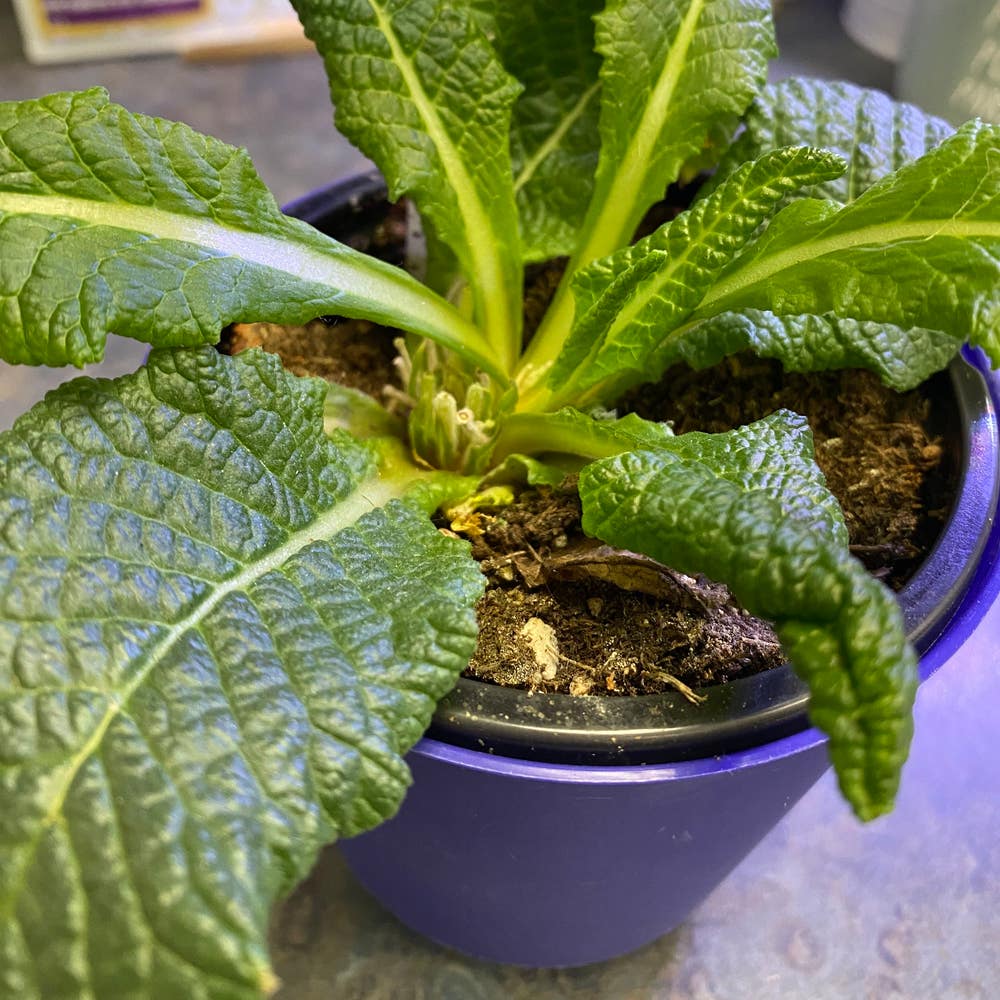
❄️ How to Care for Your Oxlip in Winter
Primula elatior
By the Greg Editorial Team
Sep 30, 2024•4 min read
This article was created with the help of AI so we can cover more plants for you. May contain errors. See one? Report it here.
- 💧 Reduce winter watering to prevent root rot; keep soil slightly moist.
- ❄️ Protect your Oxlip from frost with covers and mulch for insulation.
- 🌞 Ensure bright, indirect light indoors; maintain temperatures between 10-15°C (50-59°F).
Winter Care Requirements
Adjusting Watering Schedules During Winter 🌧️
During winter, it's crucial to adjust your watering schedule for your Oxlip. Reduce the frequency to prevent root rot, which can be a common issue in colder months.
Watch for signs of overwatering, such as yellowing leaves and mushy roots. Aim to keep the soil slightly moist but never soggy to ensure your plant stays healthy.
Fertilizing Oxlip in Winter: What to Know ❄️
Generally, it's best to avoid fertilizing your Oxlip during its dormancy in winter. However, if you notice growth resuming due to mild weather, a light feeding can be beneficial.
If you decide to fertilize, opt for a balanced, slow-release formula. This will provide essential nutrients without overwhelming your plant.
Indoor Care for Oxlip During Winter Months 🏠
If you’re keeping your Oxlip indoors, ensure it receives bright, indirect light. This will help maintain its health during the darker winter months.
Also, keep the indoor temperature cooler, ideally between 10-15°C (50-59°F). Monitor moisture levels closely to avoid overwatering, as indoor conditions can vary significantly.
With these winter care tips, your Oxlip will be well-prepared to thrive until spring. Next, let’s explore effective frost protection strategies to safeguard your plants from harsh winter conditions.
Frost Protection Strategies
🌨️ Methods to Protect Oxlip from Frost
Protecting your Oxlip from frost is essential for its survival during winter. Start by covering your plants with frost cloths or burlap, which act as a barrier against freezing temperatures.
Mulching is another effective strategy. Apply a thick layer of mulch around the base of your Oxlip to insulate the roots and retain soil warmth.
If your Oxlip is potted, consider relocating it to a sheltered area. This simple move can shield it from harsh winds and extreme cold.
🛡️ Best Practices for Covering Oxlip Plants
Timing is crucial when it comes to covering your Oxlip. Make sure to cover the plants before frost is expected to give them the best chance of survival.
When securing your covers, ensure they are anchored well. This prevents wind from displacing them and exposing your plants to the cold.
During the day, when temperatures rise above freezing, remember to remove the covers. This allows your Oxlip to bask in the sunlight, promoting healthy growth even in winter.
With these frost protection strategies, your Oxlip will be well-equipped to handle the chill. Next, let’s explore how to identify signs of winter damage in your plants.
Spring Preparation and Recovery
🌨️ Signs of Winter Damage in Oxlip
As winter fades, keep an eye out for signs of damage in your Oxlip. Look for brown, wilted leaves and stunted growth, which are clear indicators that your plant may have struggled during the cold months.
Assessing root health is crucial. Check for mushy or discolored roots, as these can signal overwatering or rot, both of which can hinder your plant's recovery.
🌱 Steps to Prepare Oxlip for Spring Growth
Start your spring preparation by cleaning up around your Oxlip. Remove any dead foliage and debris to promote healthy growth and reduce pests.
Next, if your Oxlip has been indoors, gradually expose it to full sunlight. This acclimation helps prevent shock and encourages robust growth as temperatures rise.
Finally, adjust your watering routine. Increase the frequency as the weather warms, ensuring your plant receives adequate moisture to thrive.
✂️ Recovery Techniques for Damaged Oxlip Plants
If you notice damage, pruning is your best friend. Trim back any dead or damaged foliage to encourage new growth and rejuvenate your plant.
Consider amending the soil with compost. This addition improves soil quality and drainage, providing a nutrient boost for your recovering Oxlip.
Lastly, monitor your plant closely. Keep an eye on new growth and adjust your care routine as needed to support its recovery.
With these steps, your Oxlip will be well on its way to a vibrant spring. Next, let’s explore how to protect your plant from frost in the upcoming colder months.
⚠️ Safety First
This content is for general information and may contain errors, omissions, or outdated details. It is not medical, veterinary advice, or an endorsement of therapeutic claims.
Always consult a qualified healthcare professional before using any plant as food, medicine, or supplement.
Never eat any plant (or feed one to pets) without confirming its identity with at least two trusted sources.
If you suspect poisoning, call Poison Control (800) 222-1222, the Pet Poison Helpline (800) 213-6680, or your local emergency service immediately.
Spotted an error? Please report it here.
Keep your Oxlip thriving this winter ❄️ with Greg's tailored watering alerts and expert care tips that ensure your plant stays healthy and happy all season long!