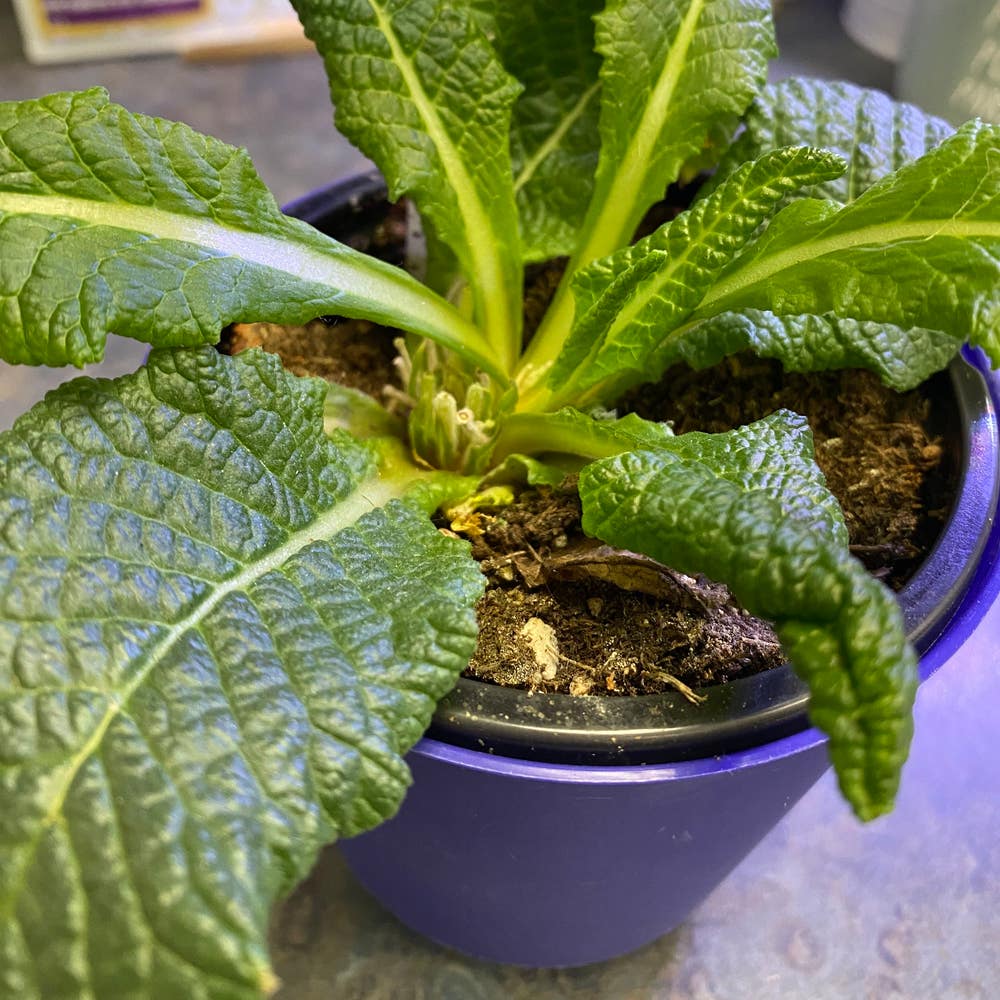
7 Easy Ways to Pollinate Oxlip 🐝
Primula elatior
By the Greg Editorial Team
Sep 30, 2024•7 min read
This article was created with the help of AI so we can cover more plants for you. May contain errors. See one? Report it here.
- 🌼 Oxlip relies on cross-pollination, primarily by bees, for successful reproduction.
- 🐝 Hand pollination ensures fertilization when natural pollinators are absent.
- 🌱 Creating a diverse garden attracts more pollinators, enhancing Oxlip health.
Self-Pollination vs. Cross-Pollination
Pollination Requirements 🌼
Oxlip is primarily a cross-pollinating plant, meaning it relies heavily on external pollinators for successful reproduction. This characteristic not only enhances genetic diversity but also makes understanding pollination methods crucial for gardeners.
Knowing the difference between self-pollination and cross-pollination can empower gardeners to make informed decisions. By recognizing how these processes work, you can create a thriving environment that supports Oxlip and its pollinators.
The Importance of Pollination Methods 🐝
Cross-pollination encourages a vibrant ecosystem, attracting various pollinators like bees and butterflies. These interactions are essential for the health of your garden, as they promote not just Oxlip growth but also the overall biodiversity of your space.
Understanding these pollination dynamics allows you to tailor your gardening practices. Whether you’re enhancing your garden’s appeal or ensuring a bountiful bloom, grasping these concepts is key to nurturing your plants effectively.
As we delve deeper into the flower structure, you'll see how these elements play a vital role in attracting the right pollinators.
Flower Structure
🌼 Description of Flower Anatomy
Oxlip flowers are a stunning sight, showcasing petals that range from yellow to pale yellow, forming a tubular shape. This unique structure not only adds beauty but also plays a crucial role in attracting pollinators.
The sepals, which encase the flower before it blooms, protect the delicate reproductive parts. Their arrangement ensures that the petals remain safe while the flower develops.
Stamens are the male reproductive organs, responsible for producing pollen. This pollen is vital for fertilization, making stamens essential to the reproductive cycle of Oxlip.
On the other hand, pistils serve as the female reproductive organs. They are responsible for seed development, completing the cycle of life for this beautiful flower.
🐝 How Flower Structure Facilitates Pollination
The tubular shape of Oxlip flowers is specifically designed to attract certain pollinator species, such as bees and butterflies. This shape encourages these creatures to enter the flower, facilitating effective pollen transfer.
Moreover, the interaction between flower structure and pollination methods is significant. While Oxlip primarily relies on cross-pollination, understanding how its anatomy supports both self and cross-pollination can enhance gardening success.
In essence, the flower's design not only captivates the eye but also ensures that pollination occurs efficiently. This intricate relationship between structure and function is vital for the survival of Oxlip and its pollinators.
As we delve deeper into the pollination process, we’ll explore the mechanisms of pollen transfer and the vital role of various pollinators.
Pollination Process
🌬️ Mechanisms of Pollen Transfer
Oxlip relies on natural mechanisms for pollen transfer, primarily involving external pollinators. Wind and water also play supportive roles, helping to disperse pollen effectively.
Pollination occurs when pollen grains move from the male stamens to the female pistils. This process is crucial for the reproduction of Oxlip, ensuring the continuation of its beautiful blooms.
🐝 Primary Pollinators and Their Interactions with Oxlip
Bees
Bees are the stars of the pollination show for Oxlip. Their attraction to the vibrant flowers makes them essential for transferring pollen, significantly enhancing fertilization rates.
Butterflies
Butterflies also contribute to the pollination process, drawn by the bright colors and sweet nectar. They prefer sunny, warm conditions, making them frequent visitors during peak blooming times.
Other Pollinator Species
Moths and hummingbirds add to the mix, each playing unique roles in Oxlip pollination. Moths are often active at night, while hummingbirds are attracted to the tubular shape of the flowers, ensuring a diverse range of pollination interactions.
Understanding these pollinators and their behaviors can help gardeners create a thriving environment for Oxlip. By fostering a habitat that attracts these essential species, you can enhance the overall health and productivity of your garden.
Next, we’ll explore how to hand pollinate Oxlip, ensuring successful fertilization even in the absence of natural pollinators.
Hand Pollination
Hand pollination can be a rewarding way to ensure your Oxlip flowers thrive. Here’s a straightforward guide to help you through the process.
Step-by-Step Instructions for Hand Pollinating Oxlip 🌸
Identify Male and Female Flower Parts: Start by locating the stamens, which are the male parts, and the pistils, the female parts. Understanding this anatomy is crucial for effective pollination.
Collecting Pollen: Gently gather pollen from the stamens using a small brush or your fingertip. Be careful not to damage the delicate flower structures.
Transferring Pollen: Apply the collected pollen to the pistil. A light touch is all you need to ensure the pollen makes contact.
Timing: The best time for hand pollination is during the morning when flowers are fully open. This increases the chances of successful fertilization.
Identifying Male and Female Flower Parts 🔍
Recognizing the male and female parts of the flower is essential. The stamens are typically slender and protrude from the flower, while the pistils are often located at the center.
Understanding this anatomy not only aids in hand pollination but also enhances your overall gardening skills. With practice, you'll become more adept at identifying these parts quickly.
Hand pollination can significantly boost your Oxlip's reproductive success. As you become familiar with the process, you’ll gain confidence in your gardening abilities. Next, let’s explore how to create a pollinator-friendly environment to support these beautiful plants.
Supporting Pollinators
🌼 Creating a Pollinator-Friendly Environment
Designing a garden that attracts pollinators is both an art and a science. Start by incorporating a variety of native plants, as they are specifically adapted to local conditions and provide essential food sources for pollinators.
Diverse flower types are crucial. Choose plants that bloom at different times throughout the season to ensure a continuous food supply. This not only supports pollinators but also enhances the beauty of your garden.
🌿 Companion Plants to Attract Pollinators
Companion planting can significantly boost the presence of beneficial pollinator species. Consider adding plants like lavender, echinacea, and marigolds, which are known to attract bees and butterflies.
These companion plants not only draw in pollinators but also support the overall health of Oxlip. They can improve soil health and create a more balanced ecosystem, making your garden a thriving habitat for all types of wildlife.
Creating a welcoming environment for pollinators is essential for the success of your Oxlip. By implementing these strategies, you can foster a vibrant garden that supports both plant and pollinator health.
Next, let’s explore the common challenges that can hinder successful pollination and how to overcome them.
Pollination Challenges
🌼 Common Obstacles to Successful Pollination
Pollination can be a tricky business for Oxlip. Environmental factors like temperature and humidity play a significant role in determining pollination success.
High temperatures can cause flowers to wilt, while excessive humidity may lead to fungal issues. Both conditions can deter pollinators, making it harder for Oxlip to reproduce.
Another challenge is the lack of pollinators. Signs of insufficient pollinator activity include fewer flowers setting seed and a noticeable absence of bees or butterflies in your garden.
🛠️ Solutions for Overcoming Pollination Challenges
Improving pollination success starts with understanding your environment. Consider planting Oxlip in areas that receive ample sunlight and have well-drained soil.
You can also create a more inviting habitat for pollinators. Planting a variety of native flowers can attract bees, butterflies, and other beneficial species.
Additionally, providing water sources and shelter can enhance the local ecosystem. Simple features like birdbaths or small rock piles can make a big difference.
By taking these steps, you can support pollinator populations and improve the chances of successful pollination for your Oxlip.
With a little effort, you can create a thriving environment that benefits both your plants and the pollinators they rely on.
⚠️ Safety First
This content is for general information and may contain errors, omissions, or outdated details. It is not medical, veterinary advice, or an endorsement of therapeutic claims.
Always consult a qualified healthcare professional before using any plant as food, medicine, or supplement.
Never eat any plant (or feed one to pets) without confirming its identity with at least two trusted sources.
If you suspect poisoning, call Poison Control (800) 222-1222, the Pet Poison Helpline (800) 213-6680, or your local emergency service immediately.
Spotted an error? Please report it here.
Enhance your Oxlip's growth with expert pollination tips from Greg, ensuring your garden thrives with the help of our tailored reminders and community support! 🐝