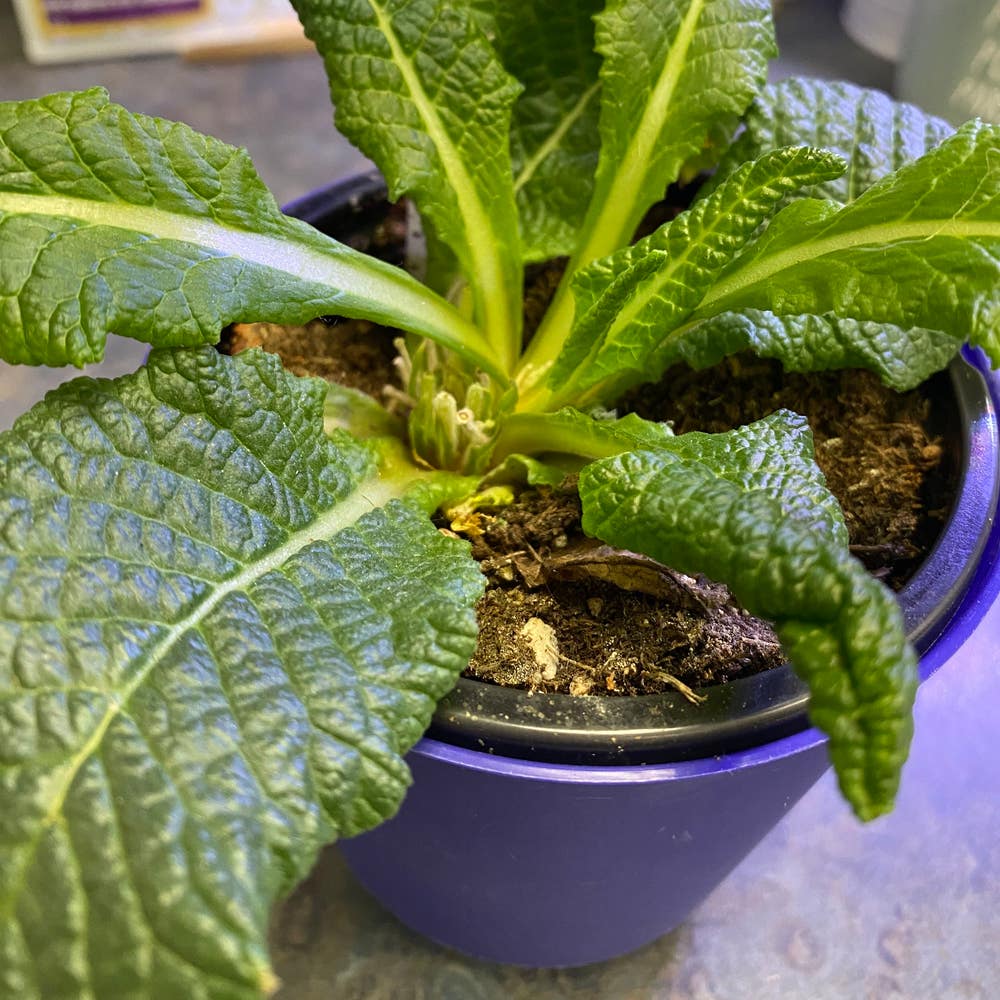
5 Indoor Oxlip Care Dos and Don'ts 💧
Primula elatior
By the Greg Editorial Team
Sep 30, 2024•5 min read
This article was created with the help of AI so we can cover more plants for you. May contain errors. See one? Report it here.
- 🌞 Oxlips thrive in bright, indirect light; avoid direct sunlight to prevent leaf scorch.
- 💧 Water when the top inch is dry; adjust frequency with seasonal changes.
- 🌿 Maintain humidity between 50-70% for optimal growth and health of your oxlip.
Light Requirements
Ideal indoor light levels 🌞
For your indoor oxlip, bright but indirect light is crucial. This lighting condition promotes optimal growth and flowering, ensuring your plant thrives.
Direct sunlight, on the other hand, can lead to leaf scorch and damage. It's essential to find that sweet spot where your plant can soak up the light without suffering.
Role of grow lights 💡
During the winter months or periods of low natural light, grow lights become your best friend. They provide the necessary illumination to keep your oxlip healthy and vibrant.
Using grow lights ensures your plant receives adequate light, which is vital for its overall growth. This can make a significant difference, especially in darker seasons.
Choosing the best grow light 🛠️
When selecting a grow light, you have options: LED and fluorescent lights are the most common. Each type has its benefits, but full-spectrum lights are generally recommended for their ability to mimic natural sunlight.
Look for lights with adjustable intensity to cater to your plant's needs. Position the grow light 12-18 inches above your oxlip to maximize its effectiveness without causing stress.
With the right lighting setup, your indoor oxlip will flourish, setting the stage for the next essential aspect of care: watering needs.
Watering Needs
Frequency of watering 🌧️
Watering your Oxlip is straightforward. The general guideline is to water when the top inch of soil feels dry.
Adjust your watering frequency with the seasons. Expect to water more often in spring and summer, while fall and winter will require less.
Signs of overwatering and underwatering 🚨
Recognizing the signs of overwatering is crucial. Look for yellowing leaves, root rot, and mushy stems as red flags.
On the flip side, underwatering manifests as wilting leaves, dry soil, and crispy edges. Pay attention to these cues to keep your plant thriving.
Understanding these watering needs will help you maintain a healthy Oxlip. Next, let’s explore the ideal humidity and temperature control for optimal growth.
Humidity and Temperature Control
Ideal Humidity Levels 🌧️
For your indoor oxlip, maintaining humidity between 50-70% is crucial for optimal growth. This range helps the plant thrive and promotes healthy foliage.
To boost humidity, consider using a humidifier or placing pebble trays filled with water near your plant. Both methods create a more favorable environment, especially in dry conditions.
Temperature Preferences 🌡️
Oxlips prefer a cozy temperature range of 15°C to 20°C (59°F to 68°F). Keeping your plant within this range ensures it remains vibrant and healthy.
As seasons change, adjust temperatures slightly cooler in winter. This small shift can help your oxlip adapt and flourish throughout the year.
With humidity and temperature under control, your oxlip will be well on its way to thriving. Next, let’s explore the best soil and fertilization practices to keep your plant nourished.
Soil and Fertilization
Best Soil Type 🌱
Choosing the right soil is crucial for your Oxlip's health. Opt for a well-draining mix rich in organic matter, like a peat-based blend.
The ideal pH level for your soil should be slightly acidic to neutral, ranging from 6.0 to 7.0. This balance helps your plant absorb nutrients effectively.
Fertilization Schedule 🗓️
Fertilizing your Oxlip is essential for robust growth. Aim to fertilize every 4-6 weeks during the growing season to keep your plant thriving.
For the best results, use balanced, water-soluble fertilizers, such as a 10-10-10 NPK formula. This ensures your plant receives a well-rounded nutrient profile.
With the right soil and fertilization routine, your Oxlip will flourish beautifully. Next, let’s explore how to tackle common issues and solutions for your indoor plant care.
Common Issues and Solutions
🐜 Common pests and prevention
Indoor oxlips can face pest challenges, with aphids being a common culprit. Look for curled leaves and sticky residue; these are telltale signs of an infestation.
To prevent aphids, conduct regular inspections and apply neem oil as needed. This natural solution helps keep these pests at bay without harming your plant.
Spider mites are another concern, identifiable by webbing and stippled leaves. Increasing humidity around your plant can deter these pests, alongside using insecticidal soap for effective treatment.
🛠️ Troubleshooting problems
Leaf drop can be alarming, often caused by overwatering or sudden temperature changes. If you notice leaves falling, check your watering habits and ensure your plant isn’t exposed to drafts.
Wilting leaves may indicate underwatering or root rot. To address this, check the soil moisture; if it’s too dry, give your plant a drink, but if it’s soggy, consider repotting to save those roots.
By staying vigilant and proactive, you can keep your indoor oxlip thriving and healthy. Next, let’s explore the best placement and maintenance practices to ensure your plant flourishes in its environment.
Placement and Maintenance
Best Placement Within the Home 🌅
For optimal growth, place your oxlip near east or north-facing windows. These locations provide bright but indirect light, which is essential for healthy development.
Avoid drafts by steering clear of heating vents and cold windows. This helps maintain a stable environment, crucial for your plant's well-being.
Maintenance Tips ✂️
Regular pruning is key to a thriving oxlip. Remove any dead or yellowing leaves to encourage new growth and keep your plant looking its best.
Cleaning the leaves is equally important. Wipe them with a damp cloth to eliminate dust, enhancing photosynthesis and overall health.
With proper placement and maintenance, your oxlip will flourish, setting the stage for vibrant blooms. Next, let’s dive into the soil and fertilization needs to ensure your plant has the right nutrients for growth.
⚠️ Safety First
This content is for general information and may contain errors, omissions, or outdated details. It is not medical, veterinary advice, or an endorsement of therapeutic claims.
Always consult a qualified healthcare professional before using any plant as food, medicine, or supplement.
Never eat any plant (or feed one to pets) without confirming its identity with at least two trusted sources.
If you suspect poisoning, call Poison Control (800) 222-1222, the Pet Poison Helpline (800) 213-6680, or your local emergency service immediately.
Spotted an error? Please report it here.
Nurture your indoor oxlip to bloom brilliantly 🌼 by using Greg's tailored watering alerts and light tips to keep it thriving all year round!