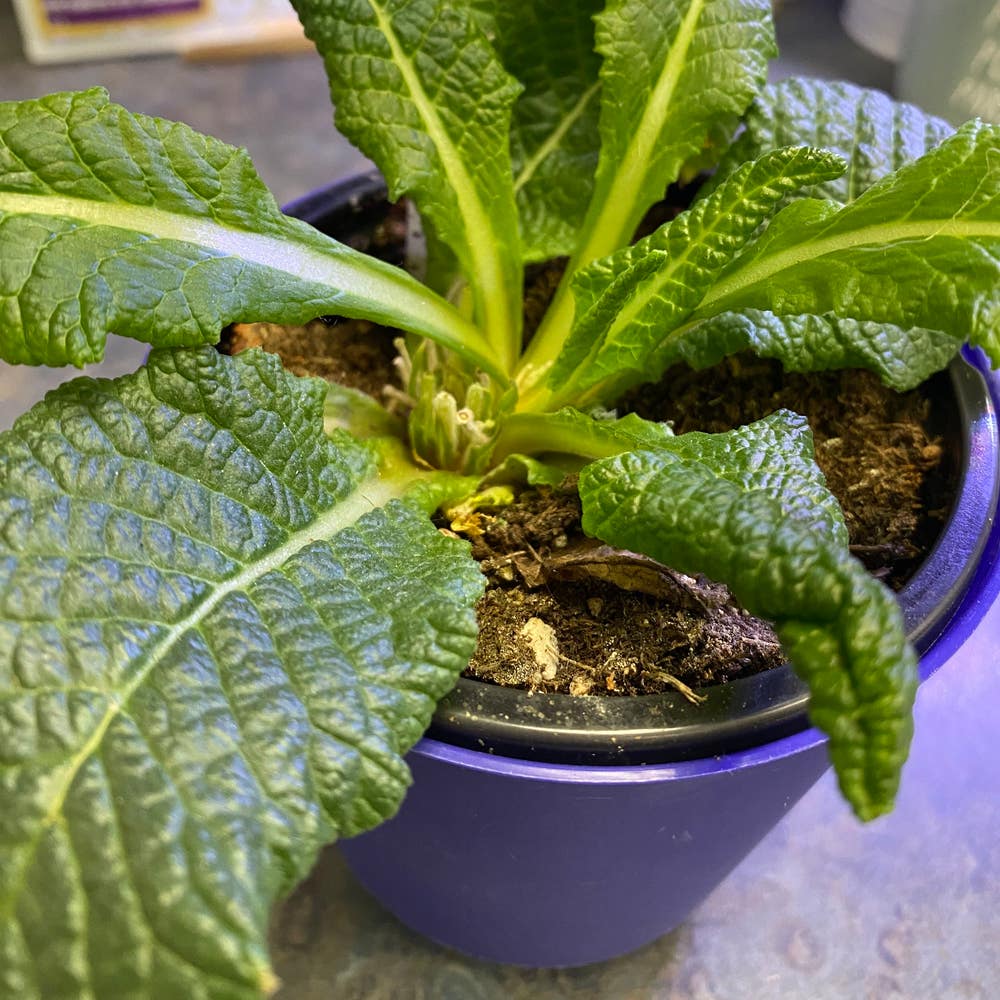
How Do I Fix Oxlip Root Rot?
Primula elatior
By the Greg Editorial Team
Feb 14, 2024•4 min read
This article was created with the help of AI so we can cover more plants for you. May contain errors. See one? Report it here.
- 🌱 Yellow leaves and foul odor signal root rot in Oxlip plants.
- ✂️ Prune rotten roots, sterilize tools to stop the spread and save the plant.
- 💧🕳️ Master watering and drainage to prevent future root rot issues.
Spotting the Trouble Signs
🚨 Visual Symptoms
Yellowing leaves and wilting are not just a phase for your Oxlip; they're distress signals. The once vibrant green can turn to a sickly yellow, indicating your plant's roots are in trouble.
A foul odor emanating from the soil is the equivalent of a bad review for your plant's living conditions. It's a clear sign that something is rotting beneath the surface, and it's usually not good news.
🕵️♂️ Root Inspection
To check your Oxlip's root health, gently remove the plant from its pot. Healthy roots should be firm and white or light tan in color.
If you find roots that are soft and brown, it's a red flag for root rot. The texture of the roots can tell you a lot about the health of your plant, and catching these signs early is crucial for recovery.
Immediate Rescue Tactics
💦 Drying Out and Aeration
In the fight against root rot, drying out the soil is your first move. Overly damp conditions are a no-go for Oxlip roots. Aerate the soil like it's a fine wine needing to breathe; fluff it up to let those roots get some air.
🌱 Soil TLC
Next up, give your soil some love. Mix in perlite or coarse sand to improve drainage. Think of it as creating a mini obstacle course for water, ensuring it doesn't pool around the roots.
✂️ Surgical Precision
Prune the rotten roots with sterilized scissors. It's like excising the bad parts to save the whole. Be thorough but careful; you're a plant surgeon now.
🧼 Sterilization is Key
Keep everything sterile to prevent spreading the rot. It's like washing your hands in a flu season; you're keeping the bad stuff at bay.
Watering Wisdom: Post-Rot Care
💧 Fine-Tuning Water Habits
After conquering root rot, watering habits need a makeover. It's not about dousing on a whim; it's about precision.
🎯 Nailing the Right Watering Frequency
Less is often more when it comes to post-rot hydration. Wait for the top inch of soil to dry out before reaching for the watering can. This isn't just a suggestion—it's a rule of thumb to live by. Overwatering? Cancelled. Let the soil's thirst be your guide.
📏 The Role of Moisture Meters
Moisture meters are not just gadgets; they're your plant's best advocate. Think of them as the truth-tellers in a world of overzealous watering. Unsure if it's time to water? Consult the meter. It's like having a plant whisperer right in your pot.
Future-Proofing Against Root Rot
💧 Smart Watering and Drainage
Mastering the art of watering is crucial for keeping Oxlip roots healthy. To ensure this, water the soil until it's moist and allow it to drain completely—like a well-timed rain shower followed by sunshine. Drainage holes in pots are your best friends; they're essential for letting excess water escape and preventing a waterlogged disaster.
Picking the right pots and partners involves more than just aesthetics. Ensure your pots have adequate drainage holes and pair them with saucers to catch runoff water—but don't let the water sit. Empty the saucers to keep roots from stewing in moisture.
🌱 Soil and Environment Strategy
Choosing the right soil mix is like choosing the best running gear; it can make all the difference. Opt for a well-draining mix that's like a VIP lounge for roots—exclusive access for air and water only.
Controlling the climate around your Oxlip involves managing humidity and air circulation. Think of your plant's environment like a mini ecosystem that needs a gentle breeze and a balanced atmosphere to thrive. Use fans or open windows to keep the air moving and consider a dehumidifier if you're living in a high-humidity area.
⚠️ Safety First
This content is for general information and may contain errors, omissions, or outdated details. It is not medical, veterinary advice, or an endorsement of therapeutic claims.
Always consult a qualified healthcare professional before using any plant as food, medicine, or supplement.
Never eat any plant (or feed one to pets) without confirming its identity with at least two trusted sources.
If you suspect poisoning, call Poison Control (800) 222-1222, the Pet Poison Helpline (800) 213-6680, or your local emergency service immediately.
Spotted an error? Please report it here.
Prevent oxlip root rot and keep your plants thriving by letting Greg track moisture levels 🌱 and remind you when it's time to water—ensuring perfect plant health!