🌼 3 Facts About Oxlip Lifecycle
Primula elatior
By the Greg Editorial Team
Sep 30, 2024•4 min read
This article was created with the help of AI so we can cover more plants for you. May contain errors. See one? Report it here.
- 🌱 Oxlip lifecycle starts with germination, needing specific temperature and soil conditions.
- 🌼 Flowering occurs in spring, lasting 2-4 weeks, vital for attracting pollinators.
- 🌿 Full maturity takes 1-2 years, influenced by soil quality and environmental factors.
Stages of the Lifecycle
🌱 Germination Stage
Germination is the first crucial step in the Oxlip lifecycle. For optimal growth, seeds need a temperature range of 15-20°C (59-68°F), well-drained moist soil, and partial shade.
The germination process typically takes about 2-4 weeks. During this time, seeds absorb moisture and begin to sprout, setting the stage for the next phase.
🌿 Seedling Stage
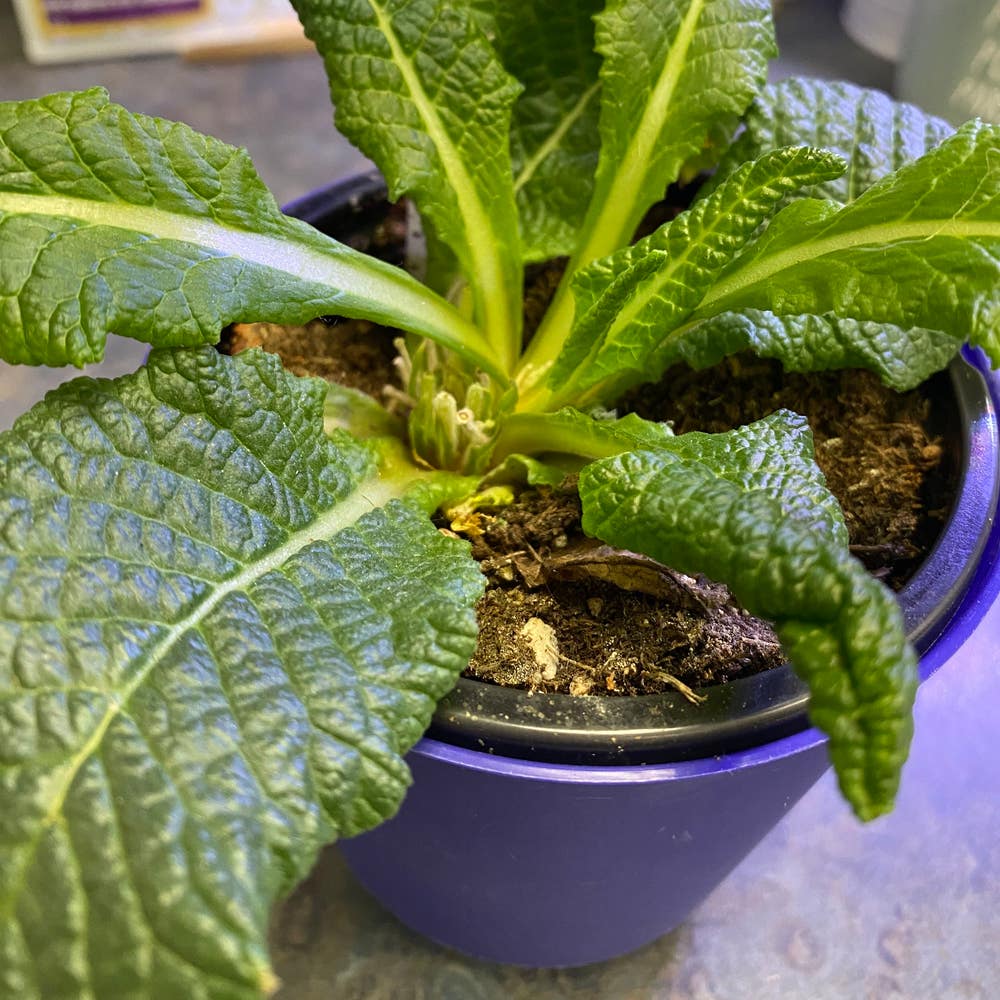
Once germination is complete, seedlings emerge with distinct characteristics. You'll notice the development of cotyledons and the first true leaves, along with a rosette structure forming at the base.
This stage lasts approximately 4-8 weeks, during which seedlings grow robust enough for transplanting. It's an exciting time as the plant begins to establish itself.
🌳 Vegetative Growth Stage
As the seedlings mature, they enter the vegetative growth stage. Here, you'll see significant leaf expansion and the formation of a strong root system, which is essential for nutrient uptake.
This stage can last anywhere from 6 to 12 months, depending on environmental conditions. The plant is busy preparing for its next big transformation.
🌸 Flowering Stage
The flowering stage is a beautiful sight to behold. Flower stalks emerge from the rosette, signaling that the plant is ready to reproduce.
Typically occurring in spring, the flowering period lasts about 2-4 weeks. Peak bloom can vary based on local climate, but it's a critical time for attracting pollinators.
🌾 Seed Production Stage
After flowering, the Oxlip enters the seed production stage. Pollination, primarily by insects, leads to fertilization, and soon after, seed pods begin to develop.
This stage takes about 4-6 weeks for seeds to mature. Continued moisture and partial shade are essential during this time to ensure healthy seed formation.
With each stage of the lifecycle, the Oxlip showcases its resilience and adaptability. Understanding these phases not only enhances your appreciation for this plant but also prepares you for the next topic: growth rate and maturation time.
Growth Rate and Maturation Time
How Long Until Oxlip is Fully Grown? 🌱
Oxlip plants take about 1-2 years to grow from seed to maturity. This timeframe can vary based on environmental conditions and care.
Factors Affecting Growth Rate 🌿
Several factors influence how quickly Oxlip develops:
- Soil Quality: Nutrient-rich, well-drained soil promotes faster growth.
- Moisture Levels: Consistent moisture is crucial; too little can slow development.
- Light Exposure: Partial shade is ideal; too much sun can hinder growth.
- Competition: Nearby plants can compete for resources, affecting growth speed.
Average Maturation Time for Oxlip ⏳
Under optimal conditions, Oxlip typically matures within 1-2 years. This period allows the plant to establish a strong root system and develop its characteristic features.
Understanding these growth dynamics can help you cultivate healthier Oxlip plants. With the right conditions, you can witness their transformation from seed to stunning blooms in just a couple of years.
Next, let’s explore the notable changes that occur throughout the Oxlip lifecycle.
Notable Changes Throughout the Lifecycle
🌱 Physical Changes in the Plant
As the Oxlip matures, it undergoes significant physical transformations. The transition from seedling to mature plant is marked by increased leaf size and the development of striking flowers.
The leaves also experience notable changes in color and texture. Initially soft and tender, they become more robust and vibrant as the plant grows.
🌧️ Environmental Adaptations
Oxlips are well-adapted to thrive in damp, shaded habitats. This resilience allows them to flourish in environments where many other plants struggle.
Additionally, they adapt to seasonal changes, entering a state of dormancy during winter. This ability to pause growth ensures their survival through harsher conditions, setting the stage for a vibrant return in spring.
Understanding these changes not only highlights the beauty of the Oxlip but also emphasizes its role in the ecosystem. As we explore the next section, we’ll delve into the growth rate and maturation time of this fascinating plant.
⚠️ Safety First
This content is for general information and may contain errors, omissions, or outdated details. It is not medical, veterinary advice, or an endorsement of therapeutic claims.
Always consult a qualified healthcare professional before using any plant as food, medicine, or supplement.
Never eat any plant (or feed one to pets) without confirming its identity with at least two trusted sources.
If you suspect poisoning, call Poison Control (800) 222-1222, the Pet Poison Helpline (800) 213-6680, or your local emergency service immediately.
Spotted an error? Please report it here.
Unlock the secrets of the Oxlip lifecycle 🌼 and let Greg guide you with customized care tips to ensure your plants flourish in any environment!