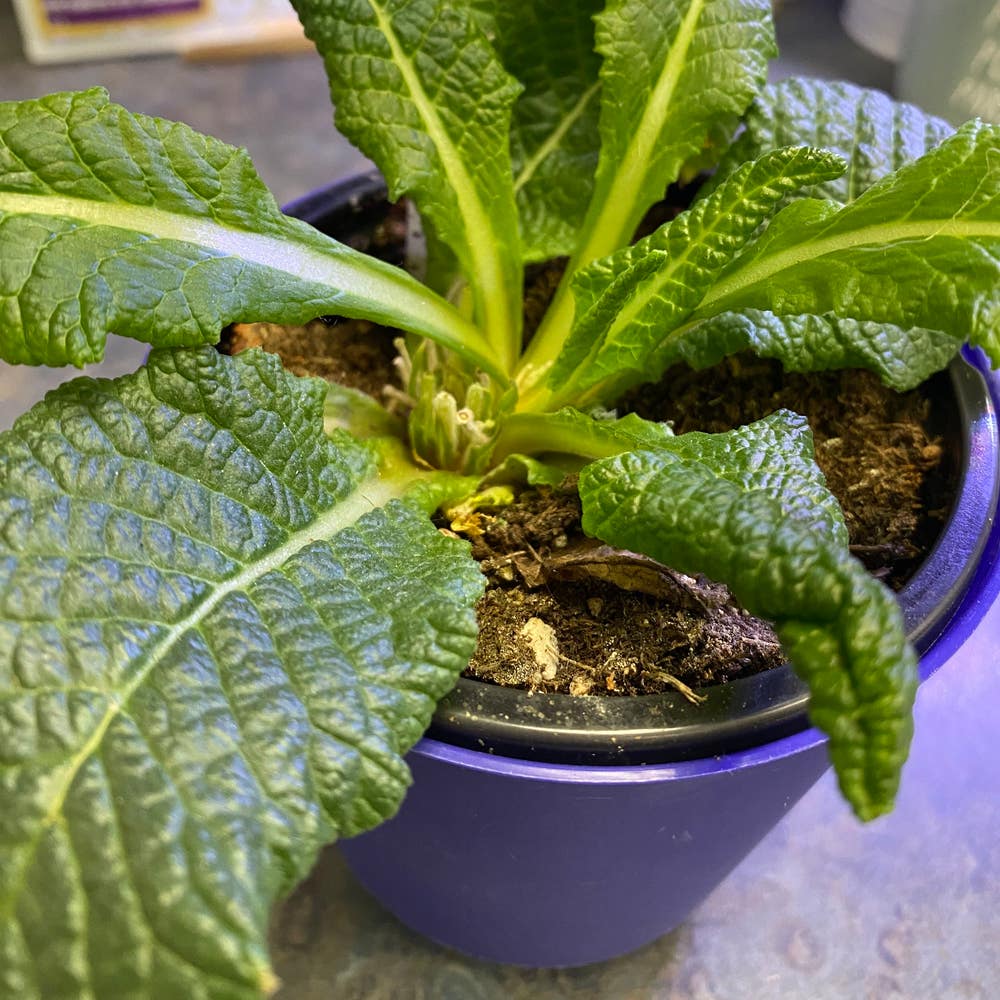
🌼 Oxlip: A Perennial Plant
Primula elatior
By the Greg Editorial Team
Sep 30, 2024•5 min read
This article was created with the help of AI so we can cover more plants for you. May contain errors. See one? Report it here.
- 🌱 Oxlip thrives for 3-5 years, regrowing from its root system each spring.
- 🌼 Blooms in late spring with vibrant colors, attracting pollinators and enhancing biodiversity.
- 🌍 Adaptable to various climates, making it a resilient choice for any garden.
Characteristics of Oxlip as a Perennial
Multi-Year Lifecycle 🌱
Oxlip plants boast a fascinating multi-year lifecycle that includes four key stages: germination, growth, flowering, and dormancy. Each stage plays a vital role in the plant's overall health and longevity.
During germination, seeds sprout and begin their journey. As they grow, they develop leaves and eventually produce flowers, showcasing their beauty. After flowering, Oxlip enters a dormancy phase, allowing it to conserve energy and prepare for the next cycle.
One of the remarkable features of Oxlip is its ability to regrow from the same root system. This resilience enables the plant to survive harsh winter conditions and emerge vibrantly in spring, ready to flourish once again.
Growth Patterns 🌿
Oxlip exhibits distinct growth patterns that are both fascinating and essential for its survival. The plant's leaf development occurs in tandem with its flowering phases, creating a stunning display throughout the growing season.
The root system of Oxlip is particularly noteworthy. Its roots store energy and nutrients, ensuring the plant can thrive year after year. This characteristic not only supports regrowth but also enhances the overall health of the surrounding soil.
In summary, the lifecycle and growth patterns of Oxlip highlight its resilience and adaptability as a perennial plant. Understanding these characteristics can help gardeners appreciate the beauty and functionality of Oxlip in their landscapes.
As we delve deeper into the flowering and lifespan of Oxlip, we’ll explore how these elements contribute to its charm and longevity.
Flowering and Lifespan
Flowering Cycles 🌸
Oxlip plants boast a vibrant display of flowers that typically bloom in the spring. Their seasonal flowering patterns peak during late spring, creating a stunning visual feast for garden enthusiasts.
The flowers are characterized by their delicate shape and a palette that ranges from soft yellows to rich purples. This colorful array not only captivates the eye but also attracts a variety of pollinators, including bees and butterflies, enhancing the biodiversity of your garden.
Expected Lifespan ⏳
Under optimal conditions, Oxlip plants can live an impressive 3 to 5 years. This longevity makes them a reliable choice for gardeners looking to establish a lasting floral presence.
However, several factors can influence their lifespan. Soil quality, water availability, and local climate conditions play crucial roles in determining how long these perennials thrive in your garden.
As you cultivate Oxlip, consider these elements to maximize their potential and enjoy their beauty for years to come. With the right care, you can witness the full cycle of life in these remarkable plants, from vibrant blooms to their eventual dormancy.
Dormancy and Seasonal Changes
Dormancy Periods 🌱
Dormancy in Oxlip is a fascinating survival strategy. During this phase, the plant conserves energy, allowing it to withstand harsh conditions.
This period typically occurs in late fall and winter, triggered by decreasing temperatures and shorter daylight hours. These seasonal cues signal the plant to slow down and prepare for the cold months ahead.
Seasonal Changes 🍂
Seasonal changes significantly impact Oxlip's growth and dormancy. As temperatures drop, the plant enters dormancy, while warmer weather prompts renewed growth.
Light also plays a crucial role; increased sunlight in spring stimulates the plant to emerge from dormancy. Oxlip adapts to these variations by adjusting its growth patterns, ensuring it thrives regardless of the season.
Understanding these cycles helps gardeners appreciate the resilience of Oxlip. By recognizing its dormancy and seasonal responses, you can better support its growth throughout the year.
Next, let’s explore the advantages of Oxlip's perennial nature and how it benefits your garden.
Advantages of Perennial Nature
🌱 Benefits of Reduced Replanting
Planting perennials like Oxlip is a long-term investment that pays off. Once established, these plants require less maintenance and save you money on replanting each season.
A consistent landscape is another perk of choosing perennials. With Oxlip, you create a stable garden design that evolves beautifully over the years, offering a sense of continuity.
🌳 Established Root Systems
Oxlip boasts deep root systems that provide significant benefits. These roots improve drought resistance, allowing the plant to thrive even in challenging conditions.
Moreover, Oxlip's roots contribute to soil health. They enhance soil structure and fertility, making your garden not just beautiful but also more productive.
With these advantages, Oxlip stands out as a smart choice for any garden enthusiast. As we explore its flowering cycles next, you'll see how this perennial continues to impress throughout the seasons.
Variations Across Climate Zones
🌦️ Influence of Climate
Oxlip is remarkably adaptable, thriving in various USDA hardiness zones. This resilience allows it to flourish in diverse climates, from temperate regions to more extreme environments.
Growth patterns can vary significantly based on climate. For instance, in warmer areas, Oxlip may flower earlier and have a longer growing season, while in cooler climates, it might enter dormancy sooner, affecting its overall lifecycle.
🌱 Tips for Maximizing Benefits
To ensure Oxlip thrives in different climates, consider soil amendments tailored to local conditions. Enhancing soil with organic matter can improve drainage and nutrient availability.
Establishing a proper watering schedule is crucial. In drier climates, more frequent watering may be necessary, while in wetter regions, less frequent watering can prevent root rot.
Adjusting care routines seasonally is also essential. Monitor local temperature and light conditions to optimize growth and flowering, ensuring your Oxlip remains vibrant and healthy throughout the year.
With these strategies, you can maximize the benefits of planting Oxlip, creating a flourishing garden that adapts beautifully to its environment.
⚠️ Safety First
This content is for general information and may contain errors, omissions, or outdated details. It is not medical, veterinary advice, or an endorsement of therapeutic claims.
Always consult a qualified healthcare professional before using any plant as food, medicine, or supplement.
Never eat any plant (or feed one to pets) without confirming its identity with at least two trusted sources.
If you suspect poisoning, call Poison Control (800) 222-1222, the Pet Poison Helpline (800) 213-6680, or your local emergency service immediately.
Spotted an error? Please report it here.
Celebrate the stunning resilience of the Oxlip 🌱 and let Greg provide you with tailored care reminders to ensure your perennial blooms beautifully season after season!