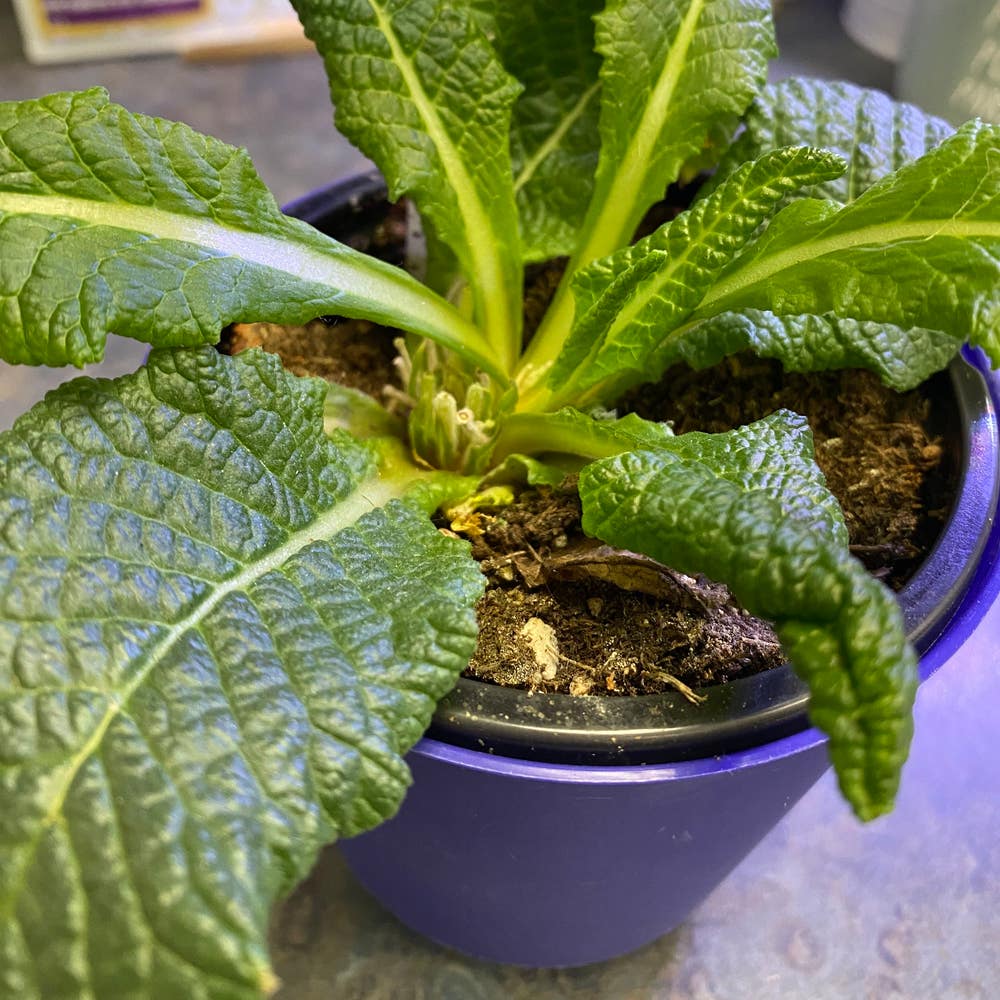
🌸 3 Perfect Pot Styles for Oxlip
Primula elatior
By the Greg Editorial Team
Sep 30, 2024•6 min read
This article was created with the help of AI so we can cover more plants for you. May contain errors. See one? Report it here.
- 🌱 Choose the right pot size: 3-4 inches for seedlings, 10-12 for mature Oxlip.
- 🏺 Clay pots prevent root rot, while plastic pots retain moisture but lack breathability.
- 🔄 Repot every 1-2 years or when signs of distress appear for optimal growth.
Pot Size for Different Growth Stages
🏺 Importance of Pot Size
Choosing the right pot size is crucial for the health of your Oxlip plants. Each growth stage requires a specific container size to support root development and overall growth.
🌱 Seedling Stage
For seedlings, a container size of 3-4 inches in diameter is ideal. Smaller pots help establish roots effectively, allowing the plant to absorb nutrients and water without becoming overwhelmed.
🌿 Juvenile Stage
As your Oxlip transitions to the juvenile stage, it's time to upgrade to a 6-8 inch pot. This larger size accommodates the growing roots and provides more space for the plant to thrive.
🌼 Mature Stage
In the mature stage, a pot size of 10-12 inches in diameter is recommended. This size is essential for accommodating root expansion, especially as the plant prepares for flowering.
Understanding these pot size requirements ensures your Oxlip remains healthy and vibrant throughout its growth stages. Next, let’s explore the ideal materials for pots that can further enhance your plant's development.
Ideal Materials for Pots
🌱 Clay Pots
Clay pots are a popular choice for growing Oxlip due to their breathability. This feature allows for essential air exchange, significantly reducing the risk of root rot.
Another advantage is their aesthetic appeal. The natural look of clay complements the delicate flowers of Oxlip beautifully, enhancing any garden or indoor space.
However, there are some considerations to keep in mind. Clay pots are heavier, which means they may require sturdier surfaces to support them.
Additionally, they tend to dry out faster than other materials. This means you'll need to water your plants more frequently, especially during warmer months.
🥤 Plastic Pots
On the other hand, plastic pots offer their own set of benefits. They are lightweight, making them easier to move and reposition as needed.
Plastic pots also excel in moisture retention. They dry out more slowly, which can be particularly beneficial in warmer climates where Oxlip thrives.
That said, there are some drawbacks to consider. Plastic pots are less breathable than clay, increasing the risk of root rot if drainage is inadequate.
Lastly, they come in a variety of colors and styles. This allows you to choose a pot that fits your aesthetic preferences while still providing a functional home for your Oxlip.
In summary, both clay and plastic pots have unique advantages and disadvantages. Choosing the right material depends on your specific needs and the growing conditions for your Oxlip.
Next, let’s explore the crucial aspect of drainage considerations to ensure your plants thrive.
Drainage Considerations
Importance of Drainage Holes 🌧️
Proper drainage holes are crucial for any pot used for Oxlip. They prevent water accumulation, which can lead to root rot, a common issue for many plants.
For optimal performance, pots should have at least 2-3 drainage holes, each about 1/4 inch in diameter. This size allows excess water to escape while still retaining enough moisture for the plant's needs.
Different pot materials affect drainage effectiveness. Clay pots typically offer better drainage due to their porous nature, while plastic pots may require additional measures to ensure water doesn't pool at the bottom.
How Drainage Impacts Root Health 🌱
Understanding root rot is essential for maintaining healthy Oxlip plants. Root rot occurs when roots sit in waterlogged soil, leading to decay and ultimately plant death.
Signs of poor drainage include yellowing leaves, wilting, and stunted growth. If you notice these symptoms, it’s time to assess your pot's drainage capabilities.
To ensure adequate drainage, consider these best practices:
- Use pots with sufficient drainage holes.
- Choose well-draining soil mixes.
- Elevate pots slightly to promote airflow underneath.
By prioritizing drainage, you can significantly enhance your Oxlip's health and vitality. This sets the stage for a flourishing plant that thrives in its environment.
Next, we’ll explore the best practices for repotting your Oxlip to ensure continued growth and success.
Repotting Oxlip
🌱 When to Repot
Repotting your Oxlip is essential for its health. Aim to do this every 1-2 years or whenever you notice signs of distress.
The best time to repot is early spring, just before flowering begins. This timing helps the plant adjust and thrive in its new environment.
🔍 Signs That Oxlip Needs a New Pot
Keep an eye out for key indicators that your Oxlip is ready for a new pot. One major sign is root-bound behavior, where roots start growing out of the drainage holes.
You might also notice stunted growth despite providing proper care. Additionally, if the soil appears compacted or depleted of nutrients, it’s time for a change.
🛠️ Step-by-Step Guide to Repotting
- Choose the right pot size: Select a pot that is 1-2 inches larger in diameter than the current one.
- Prepare fresh potting mix: Use a well-draining soil mix suitable for flowering plants.
- Remove the Oxlip from its current pot: Gently loosen the root ball to avoid damage.
- Inspect roots: Trim any damaged or rotting roots to promote healthy growth.
- Place in new pot: Center the plant and fill in with fresh soil, ensuring it’s stable.
- Water thoroughly: This helps the soil settle and eliminates any air pockets.
Repotting can seem daunting, but following these steps ensures your Oxlip continues to flourish. With the right care, your plant will thrive in its new home, setting the stage for vibrant blooms ahead.
Common Mistakes in Pot Selection
🏺 Misconceptions About Pot Size and Material
Choosing the right pot size is crucial for your Oxlip's health. Overpotting can lead to excess soil moisture, which often results in nutrient depletion and root rot.
Conversely, underpotting poses its own risks. When the roots are cramped, they can become bound, leading to stunted growth and a struggling plant.
🚫 How to Avoid Overpotting or Underpotting
To avoid these pitfalls, regularly assess your plant's root growth. If roots are circling the pot or emerging from drainage holes, it’s time to consider a larger container.
Monitoring your Oxlip's health post-repotting is essential. Look for signs like new growth or wilting leaves to gauge how well the plant is adjusting.
Adjusting pot size based on seasonal growth patterns can also be beneficial. As your Oxlip thrives in spring, be ready to repot if it shows signs of outgrowing its current home.
By understanding these common mistakes, you can ensure your Oxlip remains vibrant and healthy. Next, let’s explore the best practices for repotting your plant effectively.
⚠️ Safety First
This content is for general information and may contain errors, omissions, or outdated details. It is not medical, veterinary advice, or an endorsement of therapeutic claims.
Always consult a qualified healthcare professional before using any plant as food, medicine, or supplement.
Never eat any plant (or feed one to pets) without confirming its identity with at least two trusted sources.
If you suspect poisoning, call Poison Control (800) 222-1222, the Pet Poison Helpline (800) 213-6680, or your local emergency service immediately.
Spotted an error? Please report it here.
Get your Oxlip thriving in the perfect pot 🪴 by using Greg's tailored reminders and expert tips to choose the right size and soil for every growth stage!