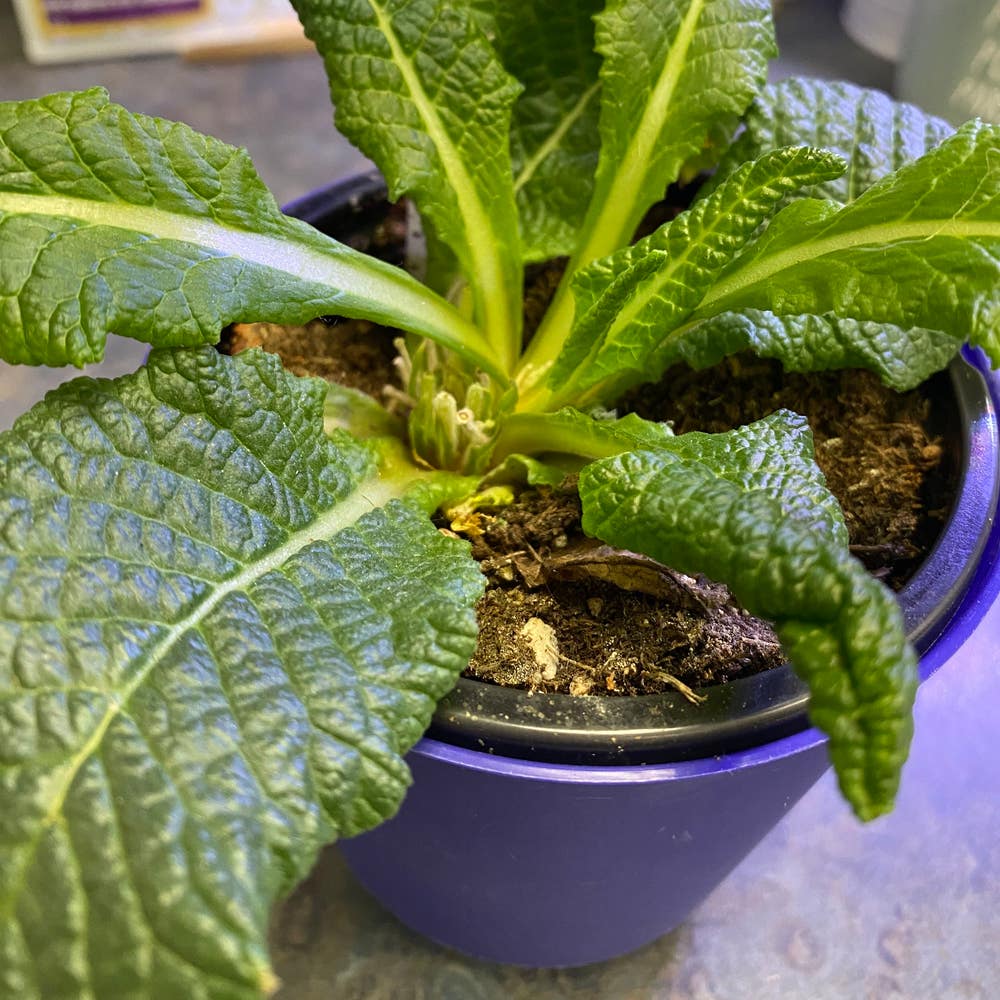
🌼 Ultimate Guide to Oxlip Varieties
Primula elatior
By the Greg Editorial Team
Sep 30, 2024•5 min read
This article was created with the help of AI so we can cover more plants for you. May contain errors. See one? Report it here.
- 🌼 Explore diverse oxlip cultivars for vibrant colors and unique traits in your garden.
- 🌸 Notable varieties like 'Gold Lace' and 'Alba' enhance visual interest and elegance.
- 🌿 Understanding size differences among oxlip types ensures effective garden planning and placement.
Popular Cultivars
Description of Each Cultivar 🌼
'Gold Lace'
This stunning cultivar features dark green leaves adorned with golden edges. Its bright yellow flowers showcase a distinctive lace-like pattern, making it a standout in any garden.
'Alba'
'Alba' is known for its pure white flowers that bloom in early spring. With a longer bloom time, it adds a touch of elegance to your landscape.
'Rosea'
The soft pink flowers of 'Rosea' create a charming display. Its compact and bushy growth habit makes it ideal for borders, providing a lovely contrast to other plants.
'Crispa'
With frilled leaf edges, 'Crispa' offers a unique texture to your garden. Its flowers are a cheerful yellow with a hint of orange, brightening up any space.
These popular cultivars each bring their own flair, enhancing the beauty of your garden. Next, let’s explore the hybrid varieties that combine the best traits of these oxlip plants.
Hybrid Varieties
🌟 Notable Hybrids and Their Traits
Hybrid varieties of oxlip offer unique characteristics that set them apart from traditional cultivars. Two notable hybrids are 'Primula x polyantha' and 'Primula x forbesii,' each bringing distinct traits to your garden.
'Primula x polyantha'
This hybrid is known for its larger flowers and vibrant colors. It thrives in various soil types and conditions, making it a versatile choice for gardeners.
'Primula x forbesii'
With its compact growth, 'Primula x forbesii' stands out for improved disease resistance. It also boasts a prolonged blooming season compared to its species counterparts, ensuring your garden stays colorful for longer.
These hybrids not only enhance the aesthetic appeal of your garden but also offer practical benefits that cater to different gardening needs. As you consider adding these varieties, think about how their unique traits can complement your existing plant collection.
Next, we’ll explore the rare varieties of oxlip, delving into their unique features and ideal growing conditions.
Rare Varieties
Unique Features of 'Bicolor' 🌼
The 'Bicolor' oxlip is a standout with its stunning two-tone flowers, typically showcasing a vibrant yellow paired with crisp white. This eye-catching combination makes it a favorite among gardeners looking to add a splash of color to their landscapes.
Ideal Growing Conditions for 'Bicolor' 🌱
To thrive, 'Bicolor' prefers moist, well-drained soil. Ensuring these conditions will help this variety flourish and display its beautiful blooms.
Unique Features of 'Fimbriata' 🌸
Another rare gem is 'Fimbriata,' known for its fringed flower edges that add a delicate touch to any garden. This unique feature not only enhances its beauty but also makes it a sought-after choice for collectors.
Rarity and Availability of 'Fimbriata' 🔍
Unfortunately, 'Fimbriata' is not commonly found in nurseries, which adds to its allure. Its limited availability makes it a prized possession for those lucky enough to cultivate it.
Conclusion 🏆
Both 'Bicolor' and 'Fimbriata' offer unique characteristics that can elevate any garden. As you explore these rare varieties, consider how they can complement your existing plant collection and bring a touch of exclusivity to your outdoor space.
Next, let’s dive into the fascinating world of color variations in oxlip flowers.
Color Variations
🌈 Common and Unique Patterns
When it comes to oxlip varieties, the standard color is a vibrant bright yellow. This classic hue is often the first choice for gardeners looking to create a sunny, cheerful display.
🎨 Variations in Color
Beyond yellow, oxlips also come in stunning variations such as pure white, soft pink, and even bicolor options. Each color brings its own charm, allowing for diverse planting schemes.
🌟 Unique Patterns
Some cultivars showcase unique patterns, including speckled or striped flowers. These distinctive designs can add an artistic flair to your garden, making each bloom a conversation starter.
🏡 Impact on Garden Design
The colors of oxlips can significantly impact your garden's overall design. Pairing different colors can create a harmonious look, while contrasting shades can add visual interest and depth.
🎉 Choosing the Right Colors
Consider the surrounding plants when selecting oxlip colors. Bright yellows can energize a space, while whites and pinks offer a softer, more romantic touch.
As you explore the vibrant world of oxlip colors, think about how these variations can enhance your garden's aesthetic. Next, we’ll dive into the size differences among these captivating cultivars.
Size Differences
Comparison of Height and Spread 🌱
Understanding the size differences among oxlip varieties is crucial for effective garden planning. Generally, these species range from 15 to 30 cm in height, making them versatile for various garden settings.
Cultivar Size Variations 🌼
'Gold Lace': This cultivar stands at 20-25 cm tall and has a wider spread, making it a standout in any garden.
'Alba': With a height of 15-20 cm, 'Alba' boasts a compact growth habit, perfect for smaller spaces.
'Rosea': Reaching 25-30 cm, 'Rosea' offers a bushy appearance that adds fullness to borders.
Importance of Size in Garden Placement 📏
Choosing the right size for your garden is essential. Larger cultivars like 'Gold Lace' can serve as focal points, while compact varieties like 'Alba' fit snugly into tighter spots.
By understanding these size differences, you can create a harmonious garden layout that showcases the unique beauty of each oxlip cultivar. Next, let’s explore the fascinating world of color variations in these plants.
⚠️ Safety First
This content is for general information and may contain errors, omissions, or outdated details. It is not medical, veterinary advice, or an endorsement of therapeutic claims.
Always consult a qualified healthcare professional before using any plant as food, medicine, or supplement.
Never eat any plant (or feed one to pets) without confirming its identity with at least two trusted sources.
If you suspect poisoning, call Poison Control (800) 222-1222, the Pet Poison Helpline (800) 213-6680, or your local emergency service immediately.
Spotted an error? Please report it here.
Explore the vibrant beauty of oxlip varieties 🌼 and let Greg guide you with personalized care tips and reminders to ensure each unique cultivar thrives in your garden!