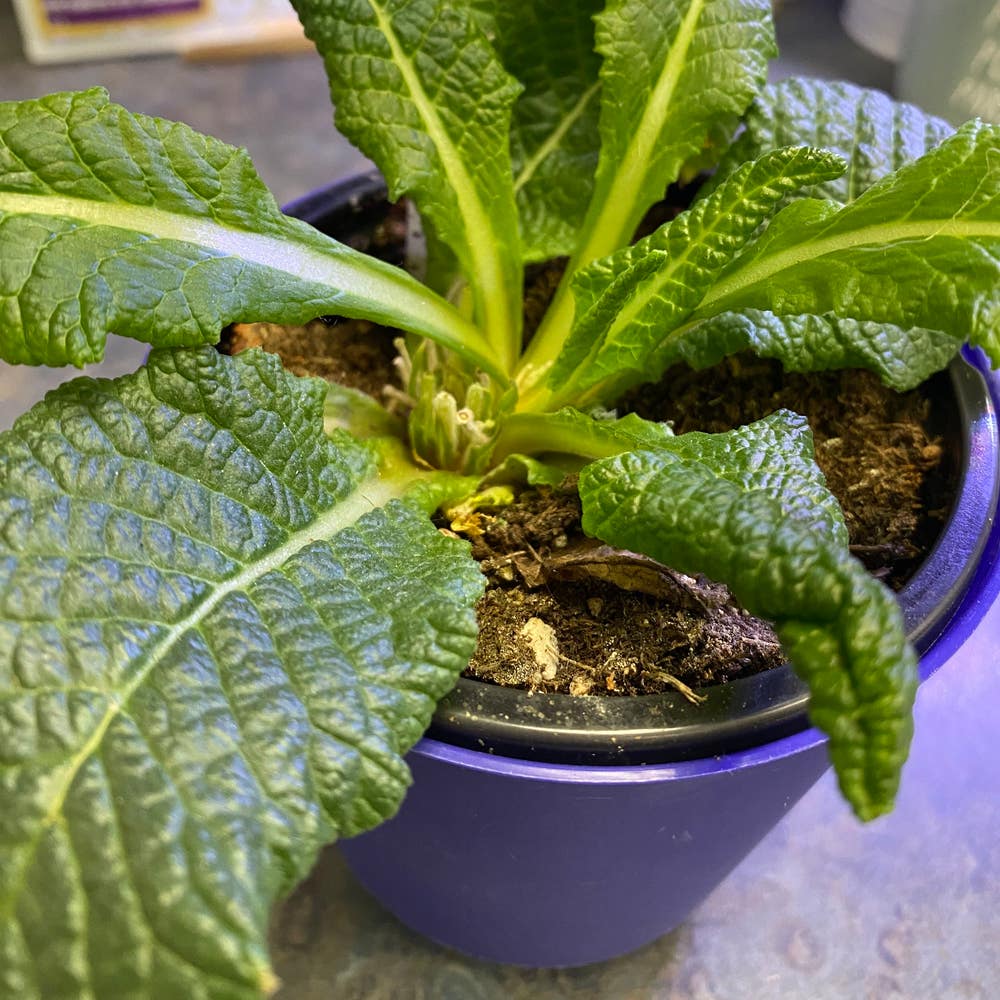
Why Are My Oxlip Leaves Droopy?
Primula elatior
By the Greg Editorial Team
Feb 14, 2024•4 min read
This article was created with the help of AI so we can cover more plants for you. May contain errors. See one? Report it here.
- Overwatering and underwatering both lead to droopy Oxlip leaves.
- Adjust light and humidity to prevent environmental stress on Oxlips.
- Ensure good drainage with the right pot and potting mix.
Spotting the Signs of Distress in Oxlip Leaves
💧 Overwatering vs. Underwatering
Overwatering is the more common faux pas with Oxlips. Your plant's leaves will wilt and sport a sickly yellow hue, screaming 'too much love!' If they're also feeling softer than your favorite plush toy, it's time to dial back on the H2O. Underwatering, while less frequent, isn't off the table. Look for leaves that are more brittle than a stale cracker and as brown as a well-done steak.
🚰 The Perils of Poor Drainage
If your Oxlip's pot feels like a swamp, you've got a drainage drama. Soil that's more clingy than a wet sponge needs a breakup. Swap it out for something that's loose and ready to mingle with air and water, like a well-draining potting mix. Remember, roots need to breathe, not take a perpetual bath.
🌞 When the Environment Strikes Back
Sometimes, it's not you, it's the environment. Droopy leaves could be the plant's white flag against a humidity siege or a light attack that's too intense. If your Oxlip's leaves look more limp than a forgotten party balloon, consider whether your room's atmosphere is more desert or rainforest and adjust accordingly.
First Aid for Droopy Leaves
🌊 Rescuing Overwatered Oxlips
Overwatering can drown your Oxlip's roots, leading to droopy leaves. To rescue your plant, reduce watering immediately. Allow the soil to dry out to the touch before the next watering session. If the soil is poorly draining, consider repotting with a well-draining potting mix.
💧 Reviving Underwatered Oxlips
Underwatered Oxlips may have brittle, brown leaves. To revive them, perform a deep watering to reach the root zone. This ensures that the entire root system gets moisture without overdoing it. Monitor the plant's response and adjust your watering habits accordingly.
🚰 Fixing the Foundation: Improving Drainage
Poor drainage can be a silent killer for Oxlips. To improve drainage, ensure your pot has unclogged drainage holes. If necessary, repot using a mix with perlite or sand to increase aeration. Regularly check the soil's moisture before watering to prevent future waterlogging.
Tailoring the Environment for Thriving Oxlips
🌡️ Temperature and Humidity Tweaks
Oxlips are not fans of the extreme. They prefer a stable environment, where temperatures are kept consistent. Avoid sudden changes that can stress the plants, aiming for a range between 15 and 21 degrees Celsius.
Humidity should be moderate, mimicking the Oxlip's natural woodland habitat. High humidity can invite fungal issues, while too little can cause stress. Use a humidifier or a pebble tray to maintain a balanced microclimate.
🌞 Light and Location
Finding the right spot for your Oxlip involves a dance with sunlight. These plants thrive in bright, indirect light. Direct sunlight can be harsh, so position them where the light is filtered, such as near a north-facing window.
Location is key. Oxlips do well in a spot that avoids the full force of the sun but still receives plenty of ambient light. Keep them away from drafty areas and heat sources like radiators to prevent temperature shocks.
Keeping Your Oxlip Perky: Prevention Strategies
💧 The Perfect Watering Rhythm
Consistency is the cornerstone of a thriving Oxlip. Water when the top inch of soil feels dry, not before. This simple touch test prevents overzealous watering. Remember, your Oxlip's thirst varies with the seasons; it's more parched in the summer and less so in the winter. Adjust your watering habits accordingly, and you'll avoid the dreaded droop.
🌱 Soil and Pot Considerations
Choosing the right soil and container for your Oxlip is like picking a well-fitted suit—it should be just right. Opt for a well-draining potting mix to prevent water from overstaying its welcome. When it comes to pots, size matters. A pot too large invites moisture to linger and trouble to brew. Ensure your pot has drainage holes to let excess water escape, keeping root rot at bay.
⚠️ Safety First
This content is for general information and may contain errors, omissions, or outdated details. It is not medical, veterinary advice, or an endorsement of therapeutic claims.
Always consult a qualified healthcare professional before using any plant as food, medicine, or supplement.
Never eat any plant (or feed one to pets) without confirming its identity with at least two trusted sources.
If you suspect poisoning, call Poison Control (800) 222-1222, the Pet Poison Helpline (800) 213-6680, or your local emergency service immediately.
Spotted an error? Please report it here.
Ensure your Oxlip thrives with the right moisture and light by using Greg's custom watering plan 🌱, tailored to prevent those droopy leaves.