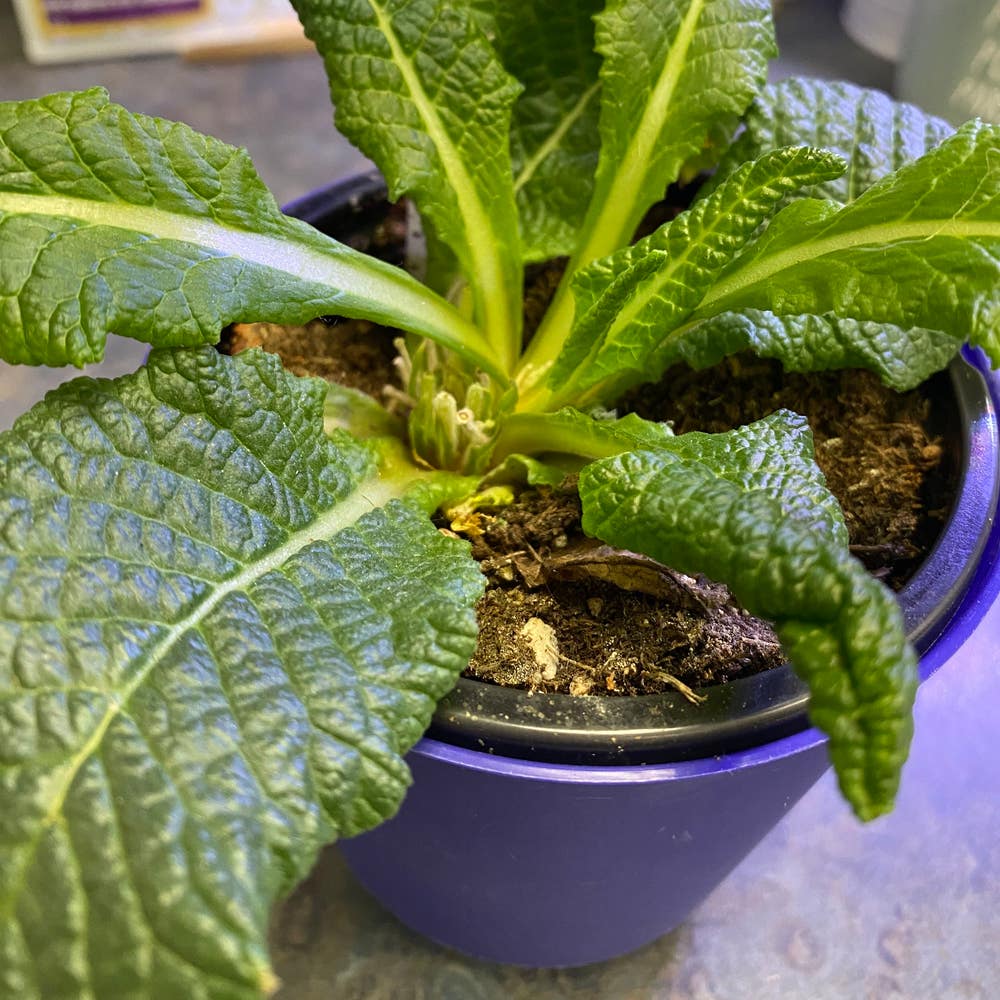
Should I Repot My Oxlip?
Primula elatior
By the Greg Editorial Team
Feb 14, 2024•4 min read
This article was created with the help of AI so we can cover more plants for you. May contain errors. See one? Report it here.
- Root-bound signs? Roots peeking out means it's time to repot.
- 🌱 Stunted growth and yellow leaves signal the need for more space.
- Choose the right pot: 1-2 inches larger, material affects watering needs.
Spot the Clues: When Your Oxlip is Begging for a New Home
🌱 Root Tango in a Tiny Dance Floor
Roots peeking out of drainage holes or wrapping around the soil's surface are red flags. Your Oxlip is root-bound, craving space to thrive. A pot cracking under the pressure? It's not just a design flaw; it's a cry for help.
💧 Water, Water Everywhere, But Not a Drop for Drink
If water zips through the pot like a kid on a waterslide, it's time to reassess. Poor drainage often points to compacted, root-choked soil. Overwatering symptoms like mushy leaves? They signal distress, possibly even root rot.
🚧 When Growth Hits a Wall
An Oxlip's growth stalling is like a car sputtering to a halt—it's not lazy; it's likely cramped. Yellow leaves or a top-heavy tilt aren't just quirks; they're your plant's way of saying, "I need more elbow room."
The Great Move: Repotting Your Oxlip Step by Step
🗣️ Pre-Repotting Pep Talk
Before the big move, water your Oxlip. This makes the root ball more cooperative, like a pre-workout stretch. Gather your tools: new pot, fresh soil, scissors, gloves, and a sense of adventure.
📏 Choosing the Right Size
Select a new pot 1-2 inches larger than the current one. This gives roots room without drowning them in space. Ensure it has drainage holes; Oxlip's roots despise soggy conditions.
🌱 The Gentle Uproot
Tip the pot, talk sweetly, and coax the Oxlip out. If it plays hard to get, use a chopstick to negotiate. Inspect the roots; trim the dead, spare the living. Treat them like VIPs—very important plants.
🏡 Home Sweet New Home
Place your Oxlip in its new abode, positioning the root ball so it's not buried too deep. Fill in with soil, tuck it in snugly, and water to settle. Your Oxlip's now ready for its housewarming party.
Picking the Perfect Pot: Material Matters
🏺 Terracotta vs. Oxlip: A Breathable Match?
Terracotta is the classic choice for Oxlip plants, offering unmatched breathability that helps prevent root rot. However, its porous nature means more frequent watering, and it's heavier to move around.
🍶 Ceramic Pots: Heavyweight Champions or Overkill?
Ceramic pots are the aesthetic darlings of the plant world, providing good moisture retention and a variety of designs. But they can be pricey and may turn your Oxlip's home into a waterlogged mess without proper drainage.
🥤 Plastic Pots: Light as a Feather, Right for Oxlip?
Plastic pots are the budget-friendly option, light and durable, with decent moisture retention for those who forget to water. Yet, they can create a swampy environment if overwatered, so keep those drainage holes clear.
🎽 Fabric Pots: The New Kid on the Block
Fabric pots are the up-and-comers, boasting superior aeration and promoting healthy roots. They're lightweight and portable, but they might require you to water your Oxlip more often due to their quick-drying nature.
Timing is Everything: How Often to Repot
⏰ Watching the Clock: Growth Rate and Root Checks
Oxlips, like all plants, have their growth spurts. These periods are prime time for repotting, as the plant is expanding and can easily settle into a new space. Early spring typically marks this phase, so keep your calendar marked and your gardening gloves ready.
Roots circling the bottom of the pot are a clear signal; it's like your Oxlip is saying, "I need more legroom!" If you spot roots poking through drainage holes or notice a thick root mat when you lift the plant slightly, it's time to give your Oxlip a bigger stage to perform its botanical ballet.
🕵️♂️ The Telltale Signs of Soil Fatigue
Soil doesn't last forever; it gets tired and loses its nutrient mojo. When water runs through too quickly, it's a sign the soil is spent, and your Oxlip is probably not getting the feast it deserves.
If you're watering more often than your favorite TV show airs, that's a clue. Soil that's drier than yesterday's toast needs a refresh. Don't wait for your Oxlip to throw a tantrum; a soil change can be as rejuvenating as a spa day.
Remember, repotting isn't a yearly ritual. It's an attentive response to your Oxlip's performance. Young plants may need a new pot every year, but as they mature, a 2-3 year interval could suffice. Watch for the signs, and let your Oxlip whisper its needs to you.
⚠️ Safety First
This content is for general information and may contain errors, omissions, or outdated details. It is not medical, veterinary advice, or an endorsement of therapeutic claims.
Always consult a qualified healthcare professional before using any plant as food, medicine, or supplement.
Never eat any plant (or feed one to pets) without confirming its identity with at least two trusted sources.
If you suspect poisoning, call Poison Control (800) 222-1222, the Pet Poison Helpline (800) 213-6680, or your local emergency service immediately.
Spotted an error? Please report it here.
With Greg's tailored reminders and care tips, you'll know exactly when and how to give your Oxlip the space 🌿 it needs to thrive, ensuring you repot only when necessary.