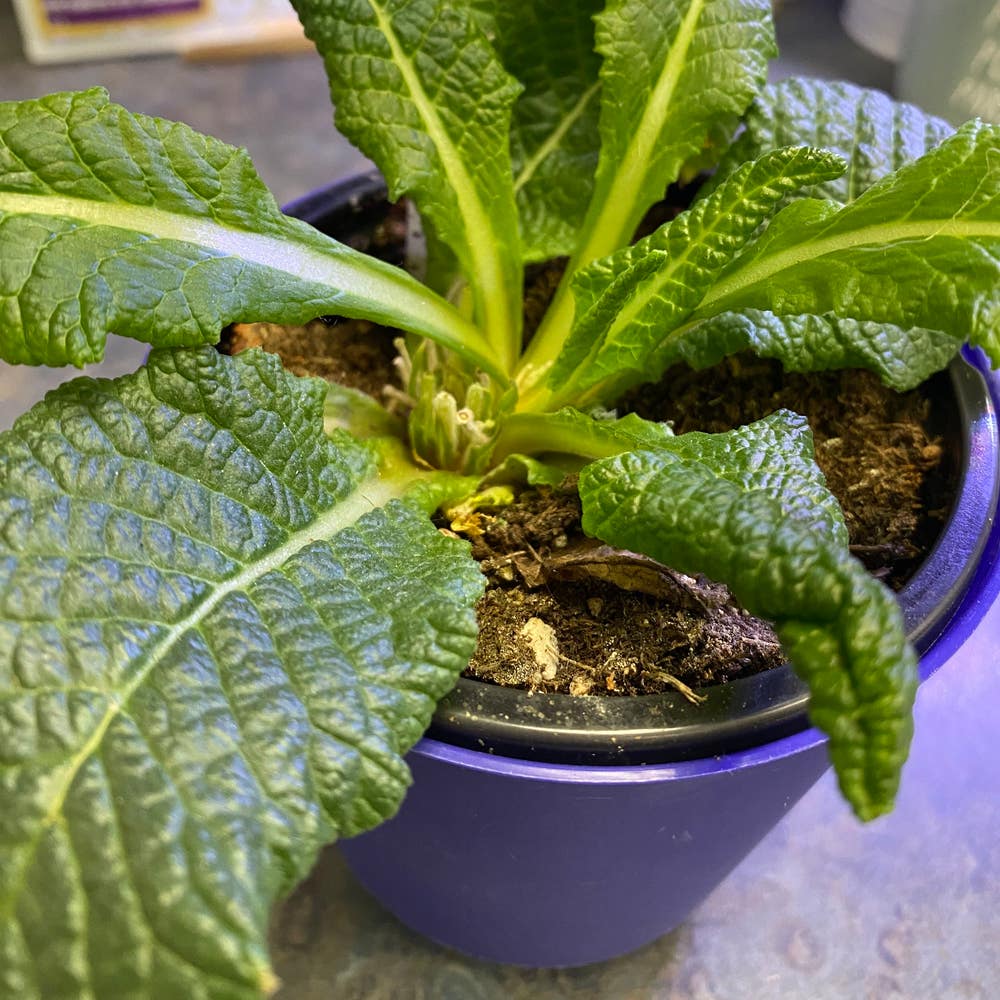
Does My Oxlip Need Direct Sunlight?
Primula elatior
By the Greg Editorial Team
Feb 14, 2024•4 min read
This article was created with the help of AI so we can cover more plants for you. May contain errors. See one? Report it here.
- 🌱 Oxlips prefer shaded habitats, direct sunlight may cause damage.
- North and East windows are best for gentle, consistent light.
- Seasonal sunlight adjustments necessary for Oxlip health.
Sunlight Decoded: What Does Oxlip Crave?
🌞 Defining Direct vs. Indirect Sunlight
Direct sunlight is unfiltered, beaming straight onto your Oxlip with intensity. Indirect sunlight, however, is the gentler cousin, offering a softer touch, akin to light passing through a sheer curtain. It's important to distinguish between the two as they have different impacts on the plant's well-being.
🌼 Oxlip's Sunlight Sweet Spot
Oxlip plants prefer the cooler side of the sun spectrum. They thrive in environments that mimic their native damp and shaded habitats. Direct sunlight can be too harsh, leading to stress and damage, while indirect light maintains their vibrant yellow blooms without the risk of a sunburn.
When Direction Meets Light: Oxlip's Window to the World
🌞 The Compass of Sunlight for Oxlip
Oxlip plants, with their soft yellow blooms, are more than just pretty faces; they're sunlight connoisseurs. North-facing windows are the zen gardens of light for Oxlips, offering a consistent but gentle glow. This mellow light is perfect for Oxlips, mimicking their natural habitat in the shaded understories of European woodlands.
East-facing windows serve up a breakfast of balmy sunlight, ideal for a gentle start to the day. Oxlips enjoy this light, which is similar to the dappled morning sun found in their native meadows. In contrast, west-facing windows can be the afternoon espresso shot of sunlight—intense and invigorating. While Oxlips can tolerate this light, it's best to shield them during the peak hours to prevent sunburn.
South-facing windows are the all-day diners of sunlight, offering a buffet of bright light. In the Northern Hemisphere, this is the prime real estate for sun-loving plants, but for Oxlips, it's a bit too much of a good thing. Use sheer curtains or strategic placement to protect these delicate perennials from too much direct exposure.
🌍 Hemisphere Hints: Oxlip's Global Sunlight Guide
Your location on the globe isn't just for bragging rights; it's a vital factor in your Oxlip's sunbathing routine. In the Northern Hemisphere, south-facing windows are the go-to for maximum sunlight. But if you're chilling in the Southern Hemisphere, it's the north-facing windows that are soaking up the sun.
Remember, the closer you are to the equator, the more intense the sunlight. Oxlips near the equator may need extra protection from the midday sun, while those lounging near the poles enjoy a more forgiving light. Adjust your Oxlip's position throughout the year to accommodate the changing angle of the sun's rays.
No matter where you are, keep a vigilant eye on your Oxlip's leaves. They'll tell you if they're getting the right amount of light or if they're starting to feel the burn.
Protecting Oxlip from Too Much of a Good Thing
🌞 Signs of Sunburn in Oxlip
Oxlip plants, like us, can get too much sun. Brown spots on the leaves are a telltale sign of overexposure. If the foliage looks crispy or the color is faded, it's time to rethink your plant's sun strategy.
🛡️ Shielding Strategies for Oxlip
To protect your Oxlip, sheer curtains are your first line of defense. They diffuse the sun's intensity without creating a cave-like atmosphere. For outdoor plants, consider a shade cloth—it's like a parasol that keeps the harsh rays at bay. Remember, the goal is to prevent leaf burn and maintain vibrant pigmentation.
Tailoring Sunlight for Thriving Oxlips
🌞 Adjusting Exposure for Optimal Growth
Oxlips, with their preference for moderate sunlight, may need a nudge closer to the window as winter's weak rays struggle to suffice. Conversely, during the summer blaze, pulling them back from the window can prevent a leafy meltdown. It's about finding that sweet spot where the light is just right, not too dim, not too bright.
🌱 Seasonal Shifts and Oxlip's Sunlight Needs
As the earth tilts and turns, your Oxlip's sunbathing routine must adapt. Summer's intensity calls for a retreat to indirect light to avoid scorching. Come winter, it's time to chase those precious rays, moving your plant to a spot bathed in gentle sunlight. Keep a vigilant eye on your Oxlip's reaction to these changes; it's the best indicator of whether you've hit the mark or missed the pot.
⚠️ Safety First
This content is for general information and may contain errors, omissions, or outdated details. It is not medical, veterinary advice, or an endorsement of therapeutic claims.
Always consult a qualified healthcare professional before using any plant as food, medicine, or supplement.
Never eat any plant (or feed one to pets) without confirming its identity with at least two trusted sources.
If you suspect poisoning, call Poison Control (800) 222-1222, the Pet Poison Helpline (800) 213-6680, or your local emergency service immediately.
Spotted an error? Please report it here.
Ensure your Oxlip flourishes in just the right light by letting Greg track 🌤 and tailor your plant's sun exposure for optimal health and growth.