What Does It Mean When Oxlip Blooms?
Primula elatior
By the Greg Editorial Team
Feb 14, 2024•4 min read
This article was created with the help of AI so we can cover more plants for you. May contain errors. See one? Report it here.
- 🌼 Oxlips bloom April-June with seasonal shifts and longer days.
- Partial shade optimizes Oxlip flowering; watch for buds as bloom indicators.
- Right environment and care essential for blooming; address light and nutrients.
When Oxlip Decides to Bloom
🌸 Recognizing the Bloom Season
Oxlips, those woodland charmers, typically bloom from April to June in Britain. As the days lengthen and winter thaws into spring, these perennials wake up.
🌼 How Seasonal Changes Affect Oxlip's Decision to Flower
It's all about timing; seasonal shifts signal to Oxlips it's showtime. They're not just waiting for warmer weather but for the earthy symphony of spring to hit the right note.
🌞 The Role of Day Length and Light Exposure
Day length is like a green light for Oxlips. Longer days mean go-time for blooms, as they trigger the plant's flowering mechanisms.
🌿 Optimal Light Conditions for Encouraging Oxlip Flowers
Oxlips dig the shade but crave some sun. Partial shade or dappled sunlight hits the sweet spot, coaxing out those sought-after flowers. Too much sun? Think sunburnt tourist—bad news for blooms.
The Tell-Tale Signs of Blooming Oxlip
🌼 Visual Cues of Upcoming Blooms
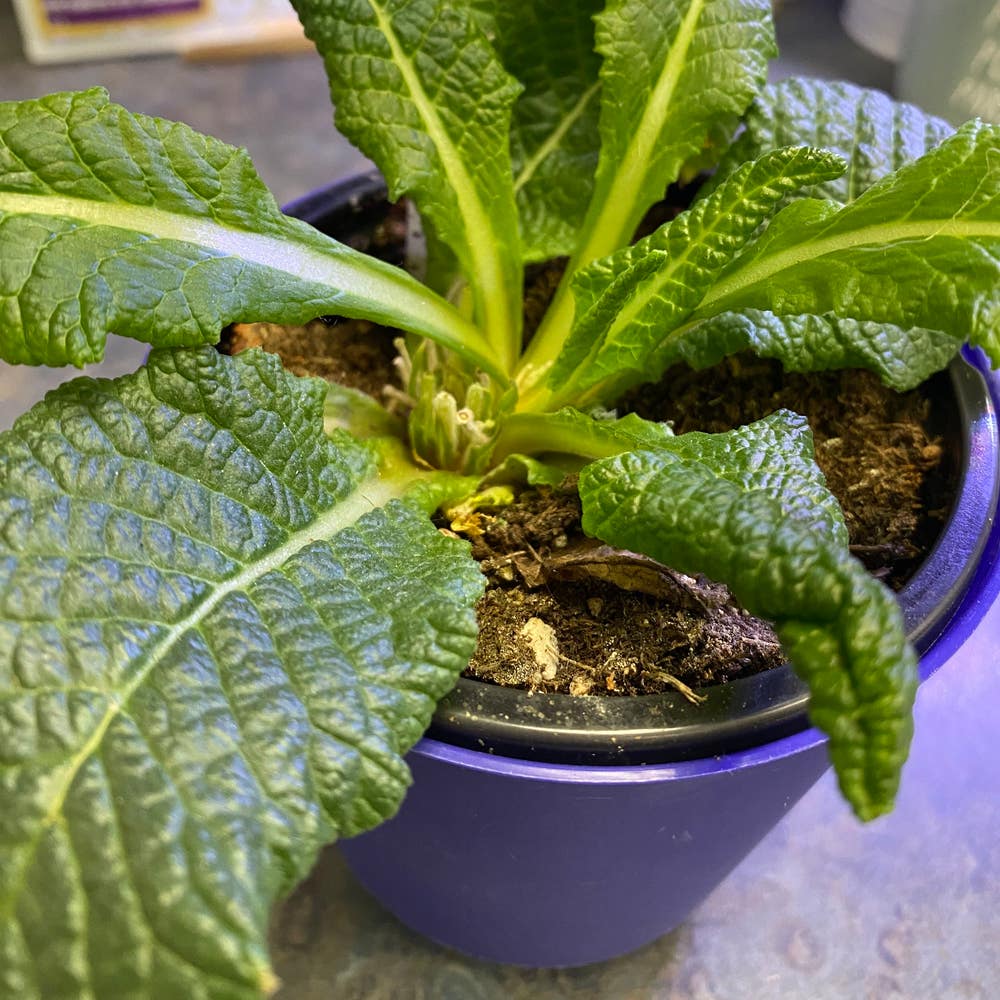
As the anticipation for Oxlip blooms builds, visual cues become your best informants. Buds start to form, hinting at the floral display that's about to unfold. These early bloom indicators are your garden's equivalent of a green light, signaling that the show is almost ready to begin.
🌱 Growth Patterns Signaling Bloom Readiness
Growth patterns in Oxlip plants serve as a reliable barometer for bloom readiness. You might notice a surge in growth or a subtle shift in the plant's energy, directing its resources towards the burgeoning buds. This change is a clear sign that your Oxlip is gearing up for its blooming phase, so keep your eyes peeled for these transformative moments.
Making Your Oxlip Bloom
🌼 The Right Environment for Flowering
Creating the perfect environment for your Oxlip to bloom is like setting the stage for a star performer. Temperature and humidity are the backstage crew that can make or break the show. Aim for a cool to moderate temperature range, avoiding the extremes that could stress your plant. As for humidity, think of Goldilocks—not too dry, not too damp, but just right.
🌸 Feeding for Flowers
When it comes to feeding your Oxlip, less is often more. A balanced fertilizer is your best friend, but overdoing it is like giving your plant a sugar rush—lots of energy, but not necessarily where you want it. Stick to a fertilization schedule that supports steady growth and flowering, without tipping the scales towards leafy excess. Remember, your Oxlip's appetite can change with the seasons, so adjust your approach as the light waxes and wanes.
Addressing Bloom Shyness in Oxlip
🌸 Common Reasons for Lack of Blooms
Oxlip plants can be finicky bloomers, and nutrient imbalance is a frequent buzzkill. High nitrogen fertilizers might bulk up the foliage, yet skimp on the flowers. Conversely, phosphorus is the secret sauce for blossoms. If your Oxlip is all leaves and no flowers, it's time to reevaluate your fertilizer game.
Inadequate light is another dream crusher for Oxlip blooms. These plants need their sunbathing time just right—not too little, not too much. A shady spot might yield a lush plant, but it'll be stingy with flowers. Move it to a brighter location, but don't let it get sunburnt.
🔄 Turning Things Around for Your Oxlip
When Oxlip refuses to bloom, don't just stand there—take action. First, check for overwatering; it's a common misstep that can lead to a host of issues like root rot. Make sure your watering schedule is on point—consistent, but not overbearing.
Next, let's talk about pruning. It's not just about snipping away; it's strategic. Remove old, dead growth to redirect energy to potential blooms. It's like telling your plant, "Hey, focus on the good stuff."
Lastly, keep an eye out for pests. Aphids and spider mites are notorious bloom blockers. Regular check-ups and prompt pest control can make all the difference. It's like a bouncer at the door of a club, keeping the troublemakers out so the party can go on.
⚠️ Safety First
This content is for general information and may contain errors, omissions, or outdated details. It is not medical, veterinary advice, or an endorsement of therapeutic claims.
Always consult a qualified healthcare professional before using any plant as food, medicine, or supplement.
Never eat any plant (or feed one to pets) without confirming its identity with at least two trusted sources.
If you suspect poisoning, call Poison Control (800) 222-1222, the Pet Poison Helpline (800) 213-6680, or your local emergency service immediately.
Spotted an error? Please report it here.
Ensure your Oxlips flourish 🌱 with Greg's personalized care reminders, tailored to their blooming season and your home's unique environment.