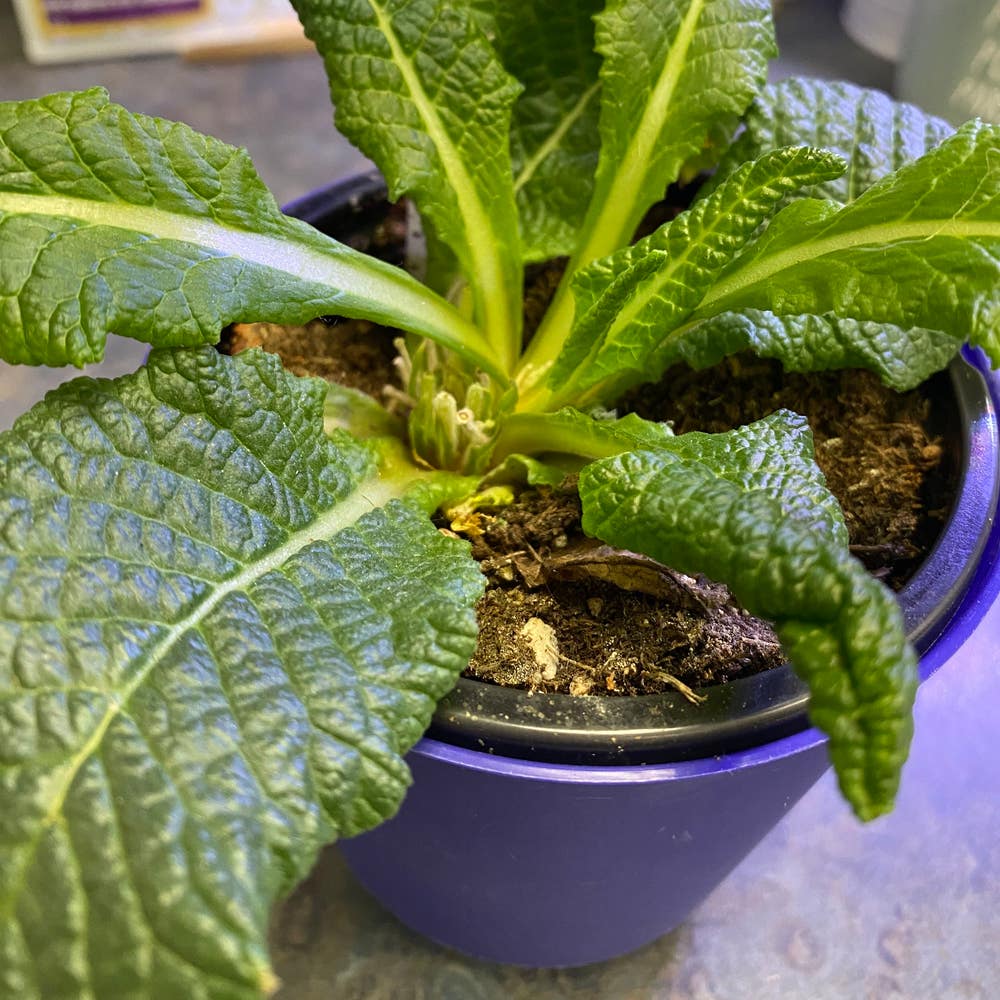
💧 What Is The Best Way To Water an Oxlip?
Primula elatior
By the Greg Editorial Team
Feb 14, 2024•4 min read
This article was created with the help of AI so we can cover more plants for you. May contain errors. See one? Report it here.
- Check top inch of soil for dryness to know when to water your Oxlip.
- Adjust water frequency with weather, pot size, and material.
- Water at the base to prevent mold and observe plant's life cycle for cues.
When to Water Your Oxlip
Decoding soil moisture is key to watering your Oxlip effectively.
💧 Soil Moisture Check
Dryness at the top inch is your green light to water. Use a moisture meter or the finger test to avoid guesswork.
⛅️ Weather Influence
Adjust watering to the weather. More sun and wind mean more frequent watering, while overcast days require restraint.
🌱 Pot Size and Type
Pot size impacts watering frequency. Smaller pots dry out faster, necessitating a more frequent check-in. Conversely, larger pots retain moisture longer, allowing for more time between waterings.
Material matters too. Terracotta pots breathe, letting soil dry more evenly, while plastic pots hold moisture, risking overwatering. Choose wisely.
Remember, your Oxlip's thirst isn't on a timer. Stay observant, stay flexible, and your plant will thrive.
How to Water Your Oxlip
💧 The Gentle Touch
Watering tools are your oxlip's best friends. A watering can with a long spout offers precision, ensuring water goes right where it's needed—the roots. Ditch the spray bottle; it's not a hair salon.
🎯 Aim Low
Base watering is the oxlip's jam. It keeps the leaves dry, thwarting mold's plans for a takeover. Think of it as watering the soil, not the plant. A soaker hose or a watering wand on a gentle setting can be your go-to gadget for this mission.
Remember, less is more. Overzealous watering leads to soggy soil and the dreaded root rot. Your oxlip isn't a fish; don't turn its home into an aquarium. Let the soil dry a bit between waterings—think moist, not marshy.
Drainage is key. Ensure your pot has holes that could make a colander jealous. It's all about letting the excess water say goodbye. If the pot's a sealed vault, you're setting the stage for a root rot heist.
Lastly, observe and adapt. Your oxlip's thirst varies with the seasons, like your craving for ice cream in summer versus winter. Keep an eye on the soil moisture and adjust your watering rhythm accordingly. It's a dance, not a march.
Recognizing Your Oxlip's Water Signals
⚠️ SOS from your oxlip: Signs of overwatering
Yellowing leaves and a soggy pot base are your oxlip's way of waving a white flag. Overwatering doesn't just make your plant sad; it throws open the doors to diseases like root rot. If your oxlip's roots feel more like a wet sponge than a firm handshake, it's time to dial back on the H2O. Mold and mildew are other party crashers to watch out for, turning your pot into a petri dish if you're not careful.
🏜️ Thirsty for attention: How to spot an underwatered oxlip
On the flip side, if your oxlip's leaves look as dry as yesterday's toast, it's begging for a drink. Crispy leaf edges and inward curling are your plant's version of a parched throat. A pot lighter than your wallet on a bad day is a telltale sign the soil is too dry. Don't wait for your oxlip to start looking like a raisin—increase your watering frequency to keep the soil consistently moist, but not waterlogged. Remember, your oxlip prefers a steady sip, not a gulp.
Adapting Watering to Your Oxlip's Life Cycle
💧 Spring Spritz and Summer Soaks: Watering Through the Seasons
Spring is a time of awakening for oxlips. As new growth emerges, your watering should be consistent to support this phase. Begin with gentle watering as soon as you notice signs of life. Increase frequency slightly as the plant establishes itself, always checking the soil moisture before adding water.
Come summer, oxlips are in full swing and their water needs ramp up. Heat can dry out soil quickly, so monitor closely and water when the top inch feels dry. Be vigilant but not overzealous; overwatering is as harmful as underwatering.
🔄 Growth vs. Dormancy: Adjusting Water as Your Oxlip Cycles
During growth periods, oxlips are thirsty. They'll drink up more water as they bloom and flourish. However, as daylight wanes and temperatures drop, they enter a dormant state. This is your cue to cut back on watering. Mimic their natural habitat by allowing the soil to dry out more between waterings.
Dormancy doesn't mean neglect. Your oxlip still needs care, just less water. Overwatering during this time can lead to root rot, so be cautious. When in doubt, err on the side of underwatering; oxlips can bounce back from a drought better than from a flood.
Remember, no two oxlips are the same. Adjust your watering strategy based on your plant's unique life cycle and the specific conditions of your environment. Keep an eye out for signs of stress and adapt accordingly. With a bit of observation and a lot of love, your oxlip will thrive through all its seasons.
⚠️ Safety First
This content is for general information and may contain errors, omissions, or outdated details. It is not medical, veterinary advice, or an endorsement of therapeutic claims.
Always consult a qualified healthcare professional before using any plant as food, medicine, or supplement.
Never eat any plant (or feed one to pets) without confirming its identity with at least two trusted sources.
If you suspect poisoning, call Poison Control (800) 222-1222, the Pet Poison Helpline (800) 213-6680, or your local emergency service immediately.
Spotted an error? Please report it here.
Ensure your Oxlip flourishes with season-smart watering 🌦 by using Greg to adjust reminders based on weather, pot size, and your home's unique conditions.