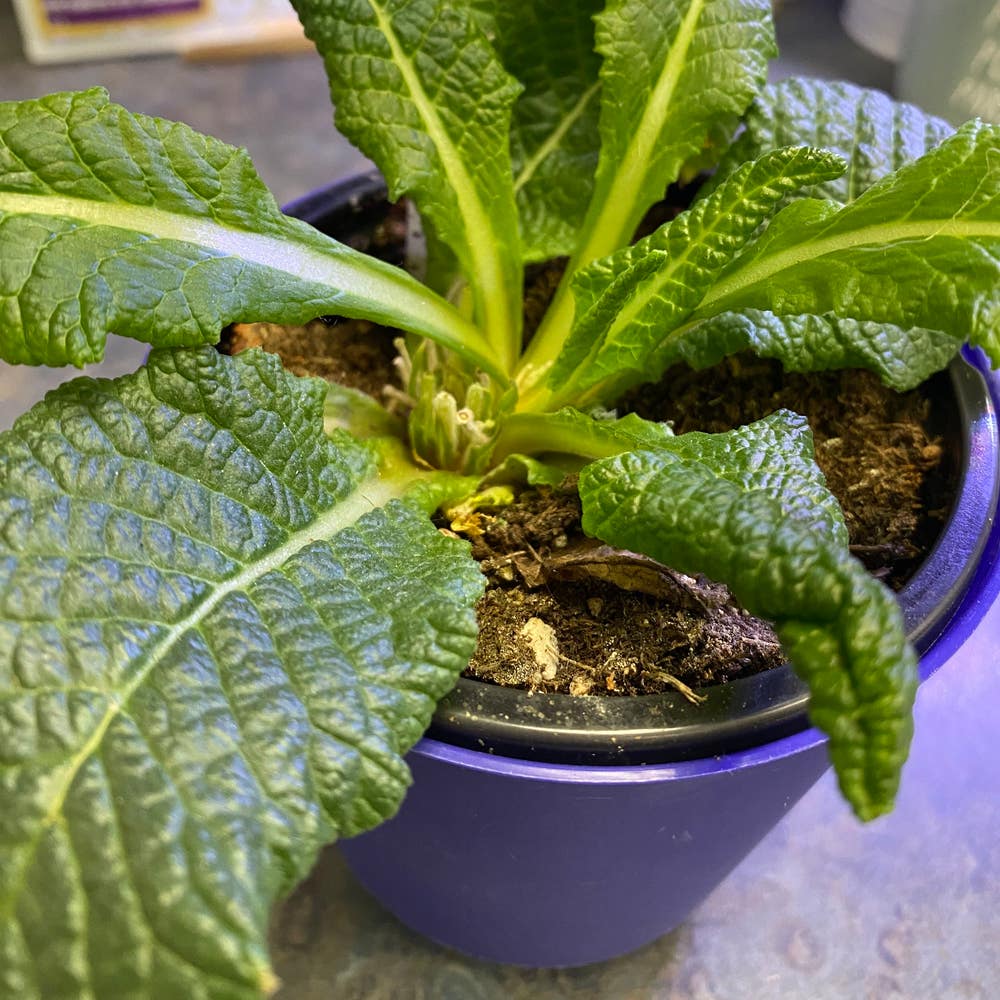
How to Prune Oxlip
Primula elatior
By the Greg Editorial Team
Feb 14, 2024•3 min read
This article was created with the help of AI so we can cover more plants for you. May contain errors. See one? Report it here.
- Spring pruning rejuvenates Oxlip, aligning with its growth cycle.
- 🍂 Fall cleanup prepares Oxlip for healthy dormancy.
- ✂️ Deadheading and shaping boost blooms and plant vigor.
Timing is Everything: When to Snip and Clip
🌸 The Best Seasons for Pruning Oxlip
Spring isn't just for cleaning; it's prime time for pruning your Oxlip. Once the blooms have faded, grab your shears. This post-bloom period is when your plant is ready to regenerate and can handle a trim without sacrificing next season's flowers.
Fall is about preparation, not just for pumpkin spice lattes but for your Oxlip's dormancy. It's the ideal time to remove dead growth and set the stage for a restful winter. Think of it as tucking your plant in for a long nap.
🌼 Understanding Oxlip's Flowering Cycles
Syncing your pruning with the Oxlip's bloom cycle is like catching the right wave; timing is everything. Prune after flowering to encourage a robust comeback. Avoid the rookie mistake of cutting during dormancy or just before blooming—unless you're aiming for a bloomless season.
Get it Right: Pruning Techniques for Oxlip
💀 Deadheading for Continuous Blooms
Deadheading is crucial for Oxlip's vitality. It's about snipping off the old to make way for the new. Immediately after blooms fade, get in there with your shears. This isn't just busywork; it signals your Oxlip to produce more flowers. It's like hitting the refresh button on your browser—suddenly, everything's new again.
✂️ Shaping the Beauty
Think of shaping as the Oxlip's personal training session. You're not just cutting; you're sculpting. Aim for a full and bushy growth by pruning strategically. This isn't just about looks; it's about guiding your Oxlip to be the best version of itself. Trim back overgrowth to maintain a desirable form, and watch your plant strut its stuff.
🔄 Rejuvenation Pruning
Sometimes, Oxlip needs more than a trim—it needs a transformation. Rejuvenation pruning is like a plant makeover. Cut back old, woody stems to reinvigorate growth. It's a bit drastic, but think of it as a hard reset. Your Oxlip will come back stronger, with a zest for life that's downright inspiring.
The Right Tools for the Job
🌱 Choosing Your Pruning Partners
Pruning your Oxlip isn't a hack job; it's an art that demands the right tools. Hand pruners are the unsung heroes here, ideal for making precise cuts without breaking a sweat. Ensure they fit snugly in your palm—comfort is key when you're playing plant surgeon.
🧼 Keeping it Clean
Cleanliness is next to godliness, especially when it comes to your pruning gear. Dirty tools are a no-go; they're like a petri dish for plant diseases. Before you start snipping, give your tools a spa day—disinfect them with rubbing alcohol or a bleach solution. After you're done, clean them again. It's not just about being a neat freak; it's about keeping your Oxlip in tip-top health.
Special Pruning Considerations
🌱 Encouraging Seed Production
Pruning isn't just about the now; it's a strategic play for the future. To encourage seed production in Oxlip, timing is critical. Prune after the first flush of flowers has faded. This allows the plant to focus on developing robust seed pods. Remember, not all flowers should be pruned if you're aiming for seeds—leave a few prime blossoms to go to seed.
🌿 Balancing Beauty and Health
The art of pruning balances the aesthetic with the vitality of the plant. Shape your Oxlip by selectively removing overgrown stems, which not only enhances its form but also directs energy to healthier growth. Vigilance is key—monitor your plant's response to each snip. Healthy cuts mean a healthy plant, so always use clean, sharp tools to avoid infection and stress.
⚠️ Safety First
This content is for general information and may contain errors, omissions, or outdated details. It is not medical, veterinary advice, or an endorsement of therapeutic claims.
Always consult a qualified healthcare professional before using any plant as food, medicine, or supplement.
Never eat any plant (or feed one to pets) without confirming its identity with at least two trusted sources.
If you suspect poisoning, call Poison Control (800) 222-1222, the Pet Poison Helpline (800) 213-6680, or your local emergency service immediately.
Spotted an error? Please report it here.
Embrace spring by giving your Oxlip a refreshing trim ✂️, and count on Greg to ensure your pruning promotes a lush, healthy bloom!