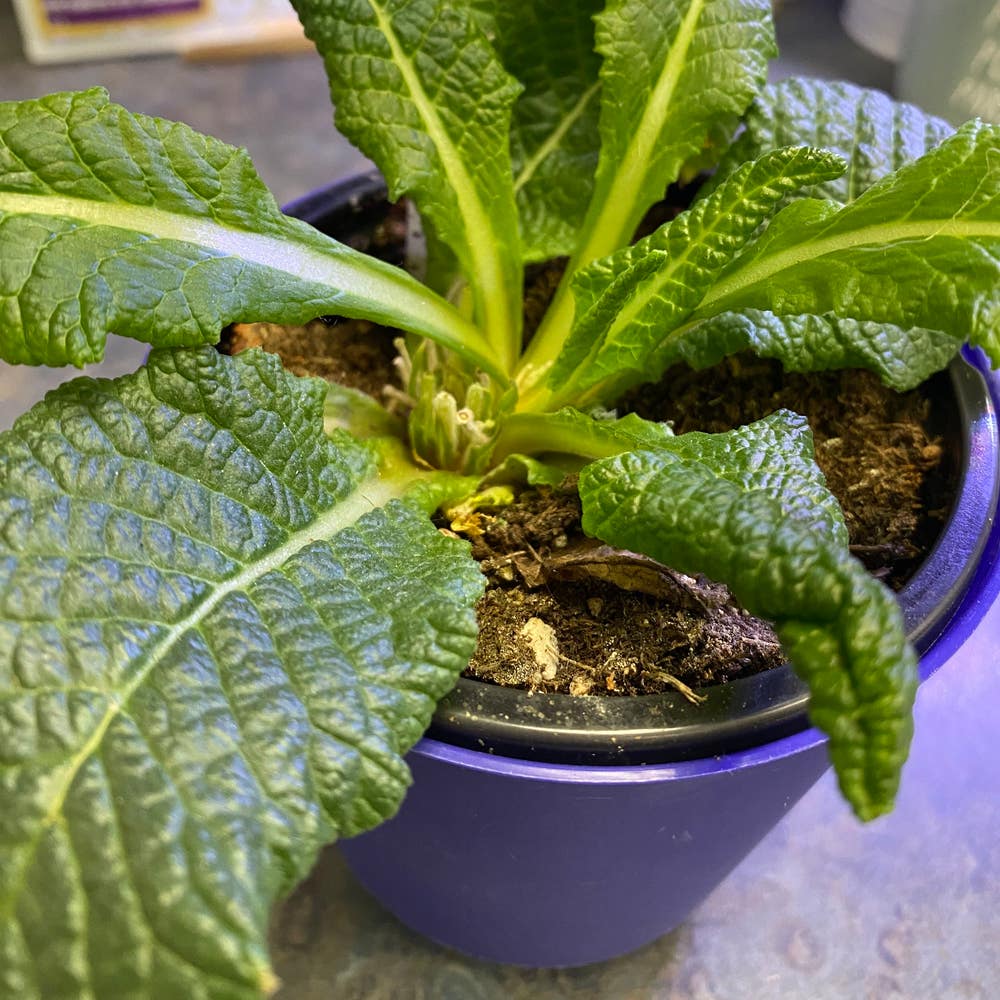
Why Are My Oxlip Leaves Dropping?
Primula elatior
By the Greg Editorial Team
Feb 14, 2024•5 min read
This article was created with the help of AI so we can cover more plants for you. May contain errors. See one? Report it here.
- Balance watering to prevent Oxlip leaf drop; check top inch of soil for dryness.
- Stable climate is key; avoid temperature and humidity swings to reduce stress on Oxlips.
- Regular feedings and pest checks; use balanced fertilizer and inspect for bugs and fungus.
Spot the Signs: Recognizing Leaf Drop in Oxlip Plants
🍃 Visual Symptoms
Oxlip leaves should be lush and green, not on your floor. If you're finding more leaves in your lap than on your plant, it's time to play detective. Look for discoloration, spots, or any signs that scream "I'm not okay!"
🌱 Root and Soil Check-Up
Root health is non-negotiable. Gently unearth your Oxlip and check for soggy or rotten roots—think zombie-flesh, not firm and white. Soil should be moist, not a mud pie. If it clumps like wet clay, your drainage is crying for help. Use a moisture meter if dirt under your nails isn't your style.
The Usual Suspects: Identifying Causes of Leaf Drop
💧 Water Woes
Overwatering and underwatering are like two ends of a tightrope that your Oxlip plant is trying to balance on. Too much water, and you're drowning the roots, inviting diseases like root rot. Too little, and the plant is parched, with leaves turning crispy and falling off in surrender. It's essential to strike that perfect moisture level where the soil feels like a wrung-out sponge—moist but not soggy.
🌡️ Climate Culprits
Temperature and humidity swings can send your Oxlip on a stress-induced leaf shedding spree. Too hot, and the leaves might as well be in a sauna, wilting away. Too cold, and they're dropping like they've got better places to be. Humidity is another sneaky factor; it needs to be just right. Think of your Oxlip as having its own comfort zone, which doesn't include living in a desert or a steam room.
🍽️ Nutrient Know-How
Nutrients are the unsung heroes, and a deficiency can lead to a leafy rebellion. Yellowing leaves could be crying out for potassium. Without the right nutrients, your Oxlip is basically trying to run a marathon on an empty stomach—not going to end well. Regular feedings with a balanced fertilizer can be the pep talk your plant needs. Remember, it's not just about feeding; it's about feeding right.
Pests and Pathogens: External Factors in Leaf Drop
🐛 Bug Battles
Oxlip plants, while hardy, are not immune to the sneaky attacks of pests. Spider mites are the ninjas of the pest world, often going unnoticed until their damage is done. They leave behind a telltale sign: fine webbing. Look for leaves with a speckled pattern of yellow or bronze, indicating these pests have been feasting.
Mealybugs, on the other hand, are less subtle. These fluffy white parasites make themselves at home in the crevices of your Oxlip, sapping the vitality from your plant. Spot them early, and you can wipe them out with a cotton swab soaked in alcohol.
Regular plant inspections are your best defense. Catch these critters early, and you can prevent your Oxlip from becoming a leaf-dropping casualty.
🍄 Fungal Foes
Fungi are the silent but deadly force in the plant world. Leaf spot diseases, caused by fungi like Alternaria, show up as discolored spots on leaves. If you see these, it's time to remove the affected foliage and consider a copper fungicide.
Powdery mildew is another common adversary, presenting as a white, powdery substance on leaves. It thrives in conditions with poor air circulation and excess moisture. To combat this, improve air flow and avoid overhead watering.
Remember, a clean plant is a happy plant. Keep your Oxlip's environment tidy to reduce the risk of these fungal assassins taking hold.
Turning Over a New Leaf: Solutions and Preventative Measures
🌿 Fine-Tuning the Environment
Creating the perfect environment for Oxlip plants is like setting up a backstage for a rockstar. They need just the right amount of light and a stable temperature to perform their best. Aim for bright, indirect sunlight and shield them from the harsh afternoon rays to prevent a leafy meltdown. Keep the temperature consistent; Oxlips aren't fans of sudden cold drafts or heat waves.
💧 Watering Wisdom
Watering is less of an art and more of a science. Get into a rhythm; water when the top inch of soil feels dry, not before. Think of it as a hydration schedule for your plant's roots, allowing them to breathe between drinks. And always use well-draining soil to avoid waterlogged roots playing their swan song.
🍽️ Nutrient Nurturing
Feed your Oxlips, but don't turn it into a Thanksgiving feast. Use a balanced fertilizer, but sparingly. It's like seasoning a dish—you want to enhance, not overpower. Overfeeding can lead to nutrient burn, and nobody wants to see their Oxlip leaves looking like they just walked out of a tanning salon.
🛡️ Defending Against Invaders
Pests and diseases are the uninvited party crashers. If you spot bugs, go full bouncer mode and show them the door with insecticidal soap or neem oil. For fungal issues, improve air circulation and consider a fungicide as a backup dancer. Remember, cleanliness is your secret weapon in this bug battle. Keep those leaves clean, and you'll keep the pests guessing.
⚠️ Safety First
This content is for general information and may contain errors, omissions, or outdated details. It is not medical, veterinary advice, or an endorsement of therapeutic claims.
Always consult a qualified healthcare professional before using any plant as food, medicine, or supplement.
Never eat any plant (or feed one to pets) without confirming its identity with at least two trusted sources.
If you suspect poisoning, call Poison Control (800) 222-1222, the Pet Poison Helpline (800) 213-6680, or your local emergency service immediately.
Spotted an error? Please report it here.
Prevent your Oxlip's leaves from dropping by mastering moisture and pest control, with Greg's 🌿 custom care plans ensuring your greenery stays gorgeously intact.