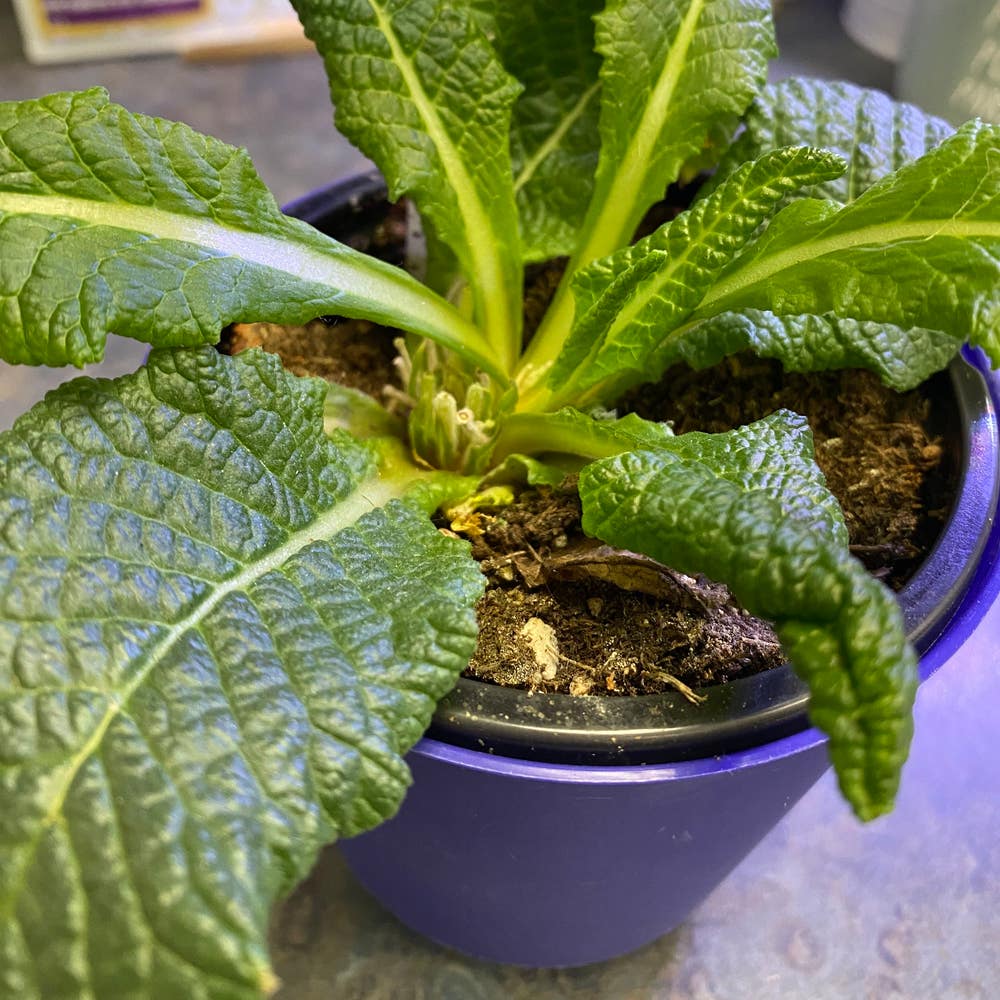
Light Requirements For My Oxlip by Season
Primula elatior
By the Greg Editorial Team
Feb 14, 2024•3 min read
This article was created with the help of AI so we can cover more plants for you. May contain errors. See one? Report it here.
- 🌤️ Dappled sunlight in spring/summer; avoid midday sun to protect Oxlip.
- Less light in fall/winter; adjust care and consider grow lights.
- LED grow lights enhance growth, especially when natural light is scarce.
Spring and Summer: Oxlip's Time to Shine
🌞 Outdoor Light Love in the Warmer Months
Oxlip plants bask in the gentle warmth of spring and summer light. They crave dappled sunlight, thriving under a canopy that filters the harshness of direct rays.
Midday sun is a no-go for these delicate blooms. It's crucial to shield them from the intense afternoon heat to prevent the leaves from resembling overcooked spinach.
💡 Indoor Light Strategy as Temperatures Rise
Inside, Oxlip's light needs are still a priority. South- or west-facing windows are prime real estate, offering bright, indirect light that won't leave your plant reaching for the sunglasses.
Grow lights can be a game-changer, especially if your windows are more about the view than the lumens. They're not just for the overcast days but can supplement the long, sunny ones too.
Fall and Winter: Low Light, No Problem
⛅️ Adapting to Dimmer Days Outdoors
As autumn ushers in shorter days, Oxlip plants require less light. This natural reduction aligns with their preparation for dormancy. Adjust your care routine to accommodate their changing needs, ensuring they still receive sufficient light without the stress of colder temperatures.
🛡️ Prepping for Dormancy: How Light Changes Affect Oxlip's Rest Period
Dormancy isn't a plant's version of hibernation; it's a vital rest phase. As light diminishes, Oxlip's growth slows. Shield them from early frosts while still allowing them to bask in the gentler sun, setting the stage for their winter slumber.
💡 Keeping Oxlip Happy Indoors When It's Chilly Outside
When the chill sets in, move your Oxlip to a bright window to maximize light exposure. Shorter days mean less natural sunlight, so finding the right spot indoors is key to keeping your Oxlip content.
💡 Grow Lights to the Rescue: Ensuring Year-Round Brightness
If your windows can't provide enough light, consider grow lights. They're like a personal sun for your Oxlip, offering consistent illumination to counteract the dreary winter days. Just remember, balance is crucial; too much artificial light can be just as detrimental as too little.
Grow Lights: Oxlip's Indoor Sunshine
💡 Choosing the Right Grow Light
Grow lights are indispensable for Oxlip care, especially when natural light is on vacation. LED lights are your best bet, mimicking the full spectrum of sunlight without the energy drain. Fluorescent options are the old-school choice, easier on the wallet but not as efficient.
- LED vs. Fluorescent: LED lights are the modern marvels here, energy-efficient and long-lasting. Fluorescents are the budget-friendly underdogs, still kicking it with decent performance.
- Positioning and Timing: Place your grow lights overhead, not too close, not too far—Goldilocks style. Aim for 12 to 14 hours of light to keep your Oxlip's internal clock ticking right.
💡 The Impact of Artificial Light on Oxlip's Health
Artificial light isn't just a backup dancer; it's a lead performer in the Oxlip show. Introduce grow lights when the sun's a no-show, and watch your Oxlip hit its growth stride. For blooms, get a light that leans heavy on the red spectrum.
- Boosting Growth: Flip the switch on grow lights when your Oxlip starts slacking in growth. It's like a caffeine shot for your plant's photosynthesis.
- Flower Power: Encourage your Oxlip to flower by selecting lights with more red wavelengths. It's the botanical equivalent of whispering sweet nothings to your plants.
⚠️ Safety First
This content is for general information and may contain errors, omissions, or outdated details. It is not medical, veterinary advice, or an endorsement of therapeutic claims.
Always consult a qualified healthcare professional before using any plant as food, medicine, or supplement.
Never eat any plant (or feed one to pets) without confirming its identity with at least two trusted sources.
If you suspect poisoning, call Poison Control (800) 222-1222, the Pet Poison Helpline (800) 213-6680, or your local emergency service immediately.
Spotted an error? Please report it here.
Navigate your Oxlip's light needs from spring's gentle rays to winter's grow lights with seasonal reminders 🌱 from Greg, ensuring your plant thrives year-round.