🌼 Oxlip Is a Garden Plant, Not a Weed
Primula elatior
By the Greg Editorial Team
Sep 30, 2024•5 min read
This article was created with the help of AI so we can cover more plants for you. May contain errors. See one? Report it here.
- 🌼 Oxlip is a non-invasive garden plant, promoting biodiversity without overwhelming ecosystems.
- 🐝 Supports local pollinators with vibrant yellow flowers, enhancing garden health and aesthetics.
- 🌳 Ideal for woodland gardens, thriving in moist, well-drained soil and partial shade.
Plant Classification
🌱 Definition of Invasive Species
Invasive species are plants that exhibit rapid growth and spread, often outpacing native flora. They can disrupt local ecosystems, leading to a decline in biodiversity and altering habitat dynamics.
Key characteristics of invasive species include:
- Rapid Growth: They thrive quickly, often taking over areas.
- Displacement of Native Flora: They can push out local plants, diminishing diversity.
- Negative Ecosystem Impact: Their presence can harm local wildlife and disrupt food chains.
🌼 Why Oxlip is Not Invasive
Oxlip (Primula elatior) stands apart from invasive species due to its limited spread potential. It primarily disperses seeds, which means its growth is more controlled compared to aggressive invaders.
Oxlip's growth behavior is characterized by its clumping nature and preference for specific environmental conditions. Unlike invasive plants, it does not dominate or outcompete native species, allowing for a harmonious coexistence in gardens.
In summary, Oxlip contributes positively to garden ecosystems without the risks associated with invasive species. This makes it a valuable addition to any garden setting, promoting biodiversity while maintaining balance.
As we explore its growth habits next, we'll see how Oxlip thrives in its preferred conditions.
Growth Habits
Typical Growth Patterns in Gardens 🌼
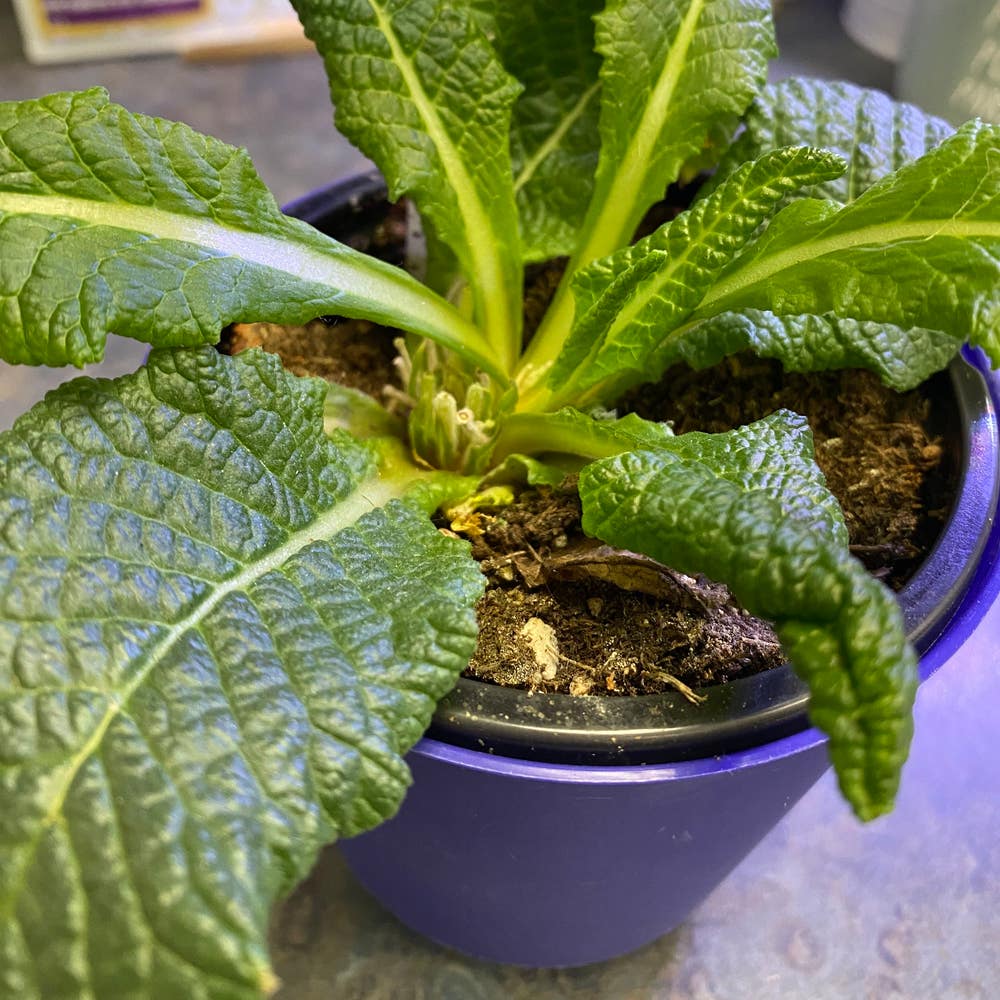
Oxlip grows in charming clumps, showcasing rosettes of lush green leaves. In spring, it delights gardeners with vibrant yellow flowers that add a splash of color to any garden.
Ideal conditions for Oxlip include moist, well-drained soil and partial shade. These preferences make it a perfect choice for woodland gardens, where it can thrive without overwhelming its surroundings.
Natural Limits to Oxlip's Growth 🌱
Several environmental factors influence Oxlip's growth. Soil moisture levels play a crucial role, as too much or too little can hinder its development.
Light availability is another key factor. Oxlip flourishes in dappled sunlight, which helps maintain its balance and prevents it from becoming overly aggressive in garden settings. This natural restraint ensures that Oxlip remains a delightful addition rather than a dominating presence.
As we explore the ecological role of Oxlip, we’ll see how it supports local wildlife and enhances garden biodiversity.
Ecological Role
Benefits of Oxlip in Ecosystems 🌼
Oxlip plays a vital role in supporting local pollinators, especially bees. Its bright yellow flowers are a beacon for these essential creatures, providing them with much-needed nectar.
In addition to attracting pollinators, Oxlip contributes to biodiversity in garden settings. By adding this plant, you create a richer habitat that supports various forms of life.
Positive Interactions with Wildlife and Other Plants 🐦
Oxlip coexists harmoniously with native plants, enhancing overall garden health. This synergy helps maintain a balanced ecosystem where all species can thrive.
Moreover, Oxlip attracts beneficial insects, promoting a balanced ecosystem. These insects help control pests, ensuring your garden remains vibrant and healthy.
Garden Management
Incorporating Oxlip into Garden Designs 🌼
Integrating Oxlip into your garden can create a stunning woodland aesthetic. These plants thrive in partial shade, making them perfect for under trees or in dappled sunlight.
When designing your garden, consider pairing Oxlip with companion plants like ferns or hostas. These plants not only complement Oxlip's yellow blooms but also enhance the overall texture and color of your garden.
Controlling Growth for Aesthetic Purposes ✂️
Managing Oxlip's growth is essential for maintaining a balanced garden. Regular monitoring allows you to keep an eye on its spread and ensure it doesn't overwhelm other plants.
Selective pruning can help shape Oxlip and promote healthy growth. Additionally, collecting seeds prevents unwanted dispersal, keeping your garden tidy and organized.
Maintaining a balanced garden aesthetic is crucial. By managing Oxlip's growth, you can enjoy its beauty without sacrificing space for other plants.
Incorporating these practices will ensure your garden remains vibrant and harmonious, setting the stage for the next section on comparing Oxlip to other plants.
Comparison to Other Plants
🌼 Similar Non-Invasive Plants
When considering plants that share the same environment as Oxlip, several non-invasive options stand out. Native wildflowers, such as Trillium and Anemone, thrive in similar conditions and can create a vibrant tapestry alongside Oxlip.
Perennials like Hosta and Ferns also complement Oxlip beautifully. Their lush foliage and varied textures enhance the garden's aesthetic while maintaining ecological balance.
🌟 Unique Qualities of Oxlip
Oxlip boasts distinctive yellow flowers that bloom in spring, adding a splash of color to any garden. Its clumping growth habit not only makes it visually appealing but also allows it to coexist harmoniously with other plants.
Choosing Oxlip over more aggressive non-native species is a smart move for sustainable gardening. It supports local ecosystems without overwhelming them, making it a responsible choice for any garden enthusiast.
Incorporating Oxlip enriches your garden while promoting biodiversity. Its unique qualities and gentle nature make it a standout option for those looking to cultivate a thriving, balanced environment.
Legal and Environmental Considerations
Relevant Classifications and Guidelines 🌍
When considering planting Oxlip, it's essential to be aware of local regulations. Some regions may have specific guidelines regarding the introduction of non-native species, even if they are not classified as invasive.
Oxlip is generally regarded as a non-invasive plant, making it a suitable choice for many gardens. However, checking with local conservation authorities can provide clarity on its status and any restrictions that may apply.
Oxlip in Sustainable Gardening Practices 🌱
Oxlip plays a vital role in promoting sustainable gardening. By incorporating this plant, gardeners can enhance biodiversity and support local ecosystems.
Integrating native plants like Oxlip fosters ecological balance and resilience. This approach not only benefits the garden but also contributes positively to the surrounding environment, creating a thriving habitat for various wildlife.
Incorporating Oxlip into your garden is a step toward a more sustainable future, enriching both your space and the ecosystem. As we move forward, let’s explore how to effectively manage Oxlip for optimal garden aesthetics.
⚠️ Safety First
This content is for general information and may contain errors, omissions, or outdated details. It is not medical, veterinary advice, or an endorsement of therapeutic claims.
Always consult a qualified healthcare professional before using any plant as food, medicine, or supplement.
Never eat any plant (or feed one to pets) without confirming its identity with at least two trusted sources.
If you suspect poisoning, call Poison Control (800) 222-1222, the Pet Poison Helpline (800) 213-6680, or your local emergency service immediately.
Spotted an error? Please report it here.
Transform your garden with Oxlip's vibrant blooms 🌼 while Greg helps you create the perfect conditions for thriving plants with tailored care reminders!