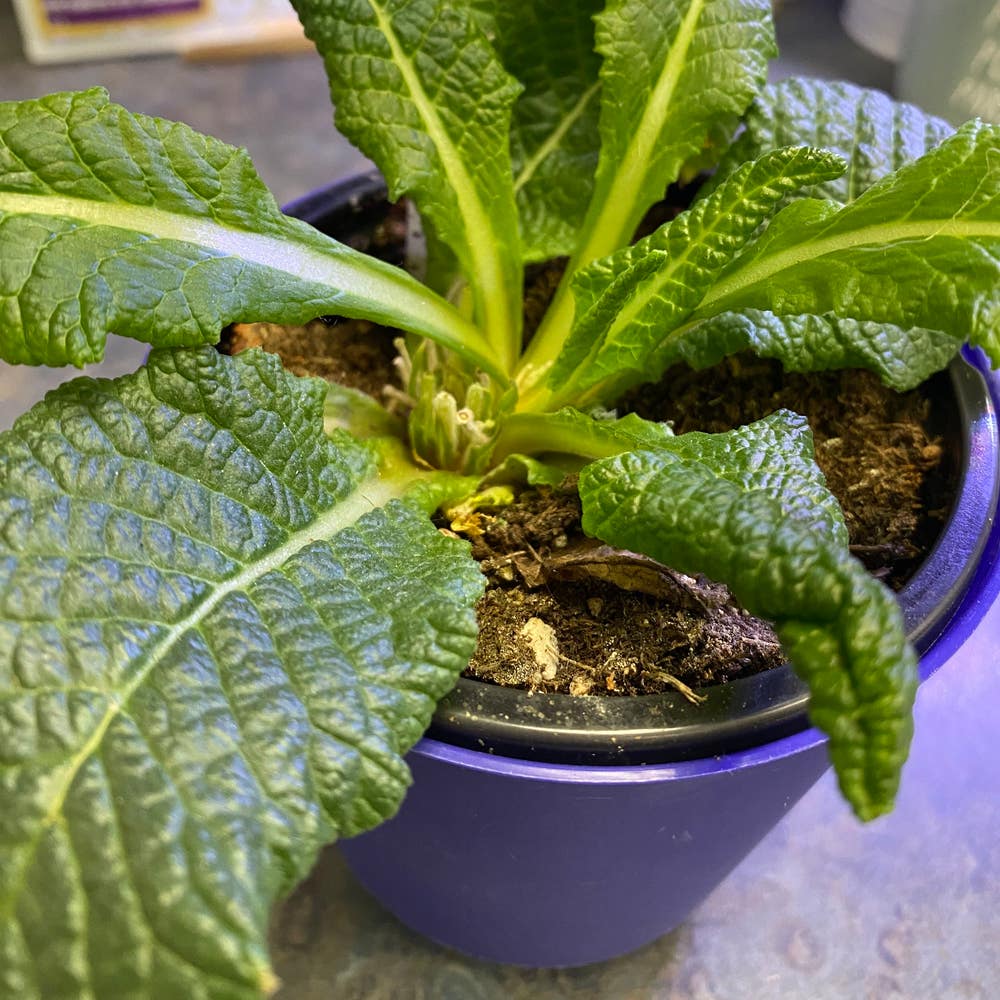
Why Are There Black Spots on My Oxlip Leaves?
Primula elatior
By the Greg Editorial Team
Feb 14, 2024•3 min read
This article was created with the help of AI so we can cover more plants for you. May contain errors. See one? Report it here.
- Black spots signal plant health issues; fungal and bacterial origins differ visually.
- Prevent with light and humidity control, cleanliness, and regular pruning.
- Treat with natural remedies or chemicals; rotate products to avoid resistance.
Spotting the Culprit: Identifying Black Spots
🕵️ Visual Characteristics of Black Spots
Black spots on Oxlip leaves are visual alarms, signaling something amiss. These spots often start as tiny specks, less than ⅛ inch in diameter, and can quickly escalate to larger blotches. They're typically dark, sometimes with a lighter center, and may have a purple-red border. It's not just a cosmetic issue; these spots can signify a deeper health problem for your plant.
🔍 Differentiating Between Fungal and Bacterial Origins
Texture and pattern are your clues to the black spot mystery. Fungal spots might present with concentric rings or defined edges, and can feel dry or powdery. Bacterial spots, however, often look like water-soaked lesions, starting on lower leaves and potentially feeling mushy. They can have a uniform color, sometimes with a purple-brown hue. Remember, the devil's in the details, so inspect closely and regularly.
Section
Nipping It in the Bud: Prevention Strategies
🦠 Cultivating a Hostile Environment for Pathogens
Creating an environment where pathogens can't thrive is essential for keeping your Oxlip leaves spot-free. Adjust humidity levels to avoid the dampness that fungi love. Make sure your plants get the right amount of light; too little can weaken them and make them more susceptible to disease.
🧼 Cleanliness is Key
Sanitation in plant care is non-negotiable. Remove debris and fallen leaves to deny diseases a place to hide. Sterilize your tools—from shears to pots—using a solution of 10% household bleach or 70% alcohol. This practice is as crucial for preventing the spread of pathogens as handwashing is for humans.
Regular pruning helps too. It's not just about looks; it's about removing potential infection sites and improving air circulation. Dispose of any infected plant parts like they're hazardous waste—because, for your plants, they are.
Keep an eye on your plants. Early detection and removal of black spots can prevent them from becoming a full-blown outbreak. Remember, a clean plant is a happy plant, and a happy plant is less likely to get sick.
Turning the Tide: Effective Treatment Approaches
🌿 Going Green with Natural Remedies
Natural treatments can be a godsend for your Oxlip's black spots. They're like a gentle nudge to your plant's immune system, often without the nasty side effects of chemicals. Start with neem oil, a tried-and-true favorite that can thwart fungal growth. Apply it with a sprayer, making sure to coat the leaves evenly, but don't drown them. Baking soda mixtures also work wonders; just a teaspoon per quart of water plus a drop of dish soap to help it stick. Spray it on the affected areas and watch the magic happen, slowly but surely.
💣 When to Resort to Chemical Warfare
Sometimes, you've got to roll up your sleeves and bring out the big guns. If natural remedies are losing the battle, it's time for chemical treatments. But be smart—use them like a scalpel, not a sledgehammer. Opt for targeted fungicides and bactericides, and always, always read the label. Safety first, so gear up with gloves and goggles. And remember, rotating products is key; you don't want those pesky pathogens getting any bright ideas about resistance. Keep it strategic, and you'll have those black spots waving white flags in no time.
⚠️ Safety First
This content is for general information and may contain errors, omissions, or outdated details. It is not medical, veterinary advice, or an endorsement of therapeutic claims.
Always consult a qualified healthcare professional before using any plant as food, medicine, or supplement.
Never eat any plant (or feed one to pets) without confirming its identity with at least two trusted sources.
If you suspect poisoning, call Poison Control (800) 222-1222, the Pet Poison Helpline (800) 213-6680, or your local emergency service immediately.
Spotted an error? Please report it here.
Keep your Oxlip leaves pristine 🌿 with Greg's personalized environment tracking and community-backed tips for tackling those pesky black spots!