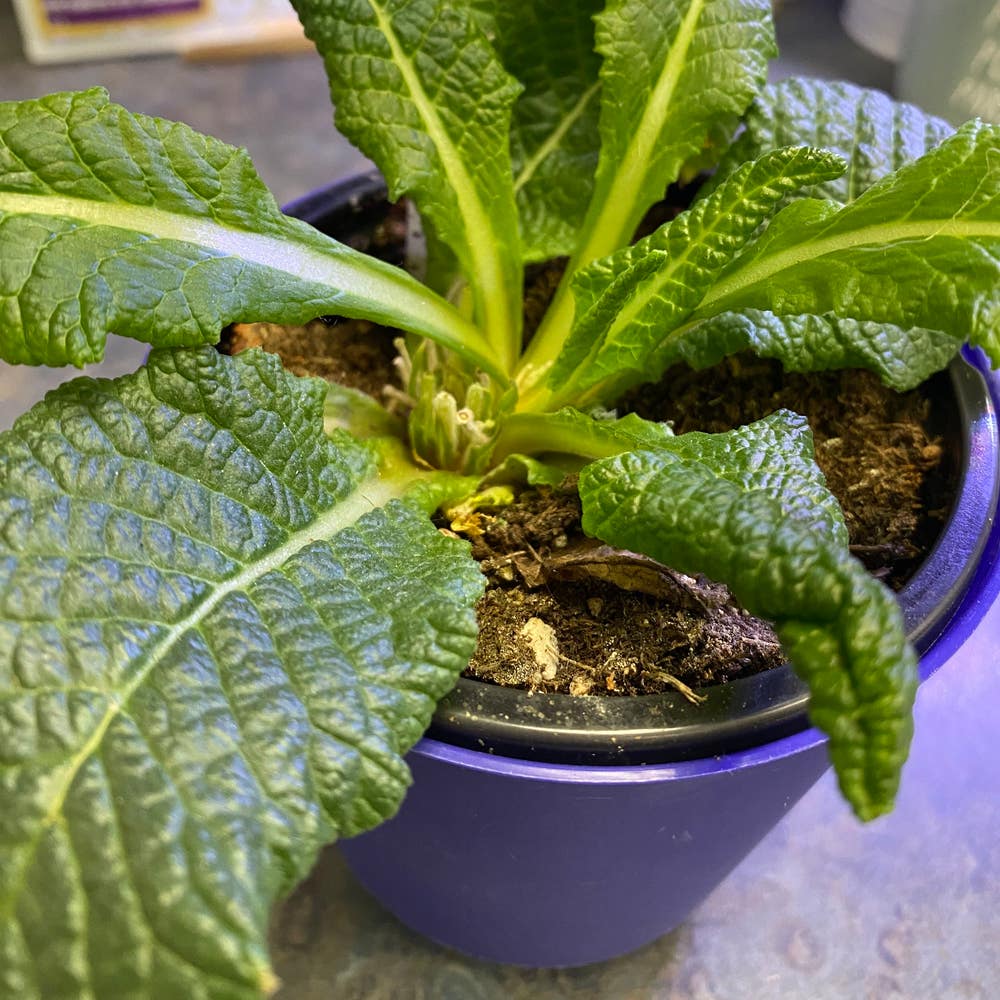
Propagating Oxlip: The Ultimate Guide
Primula elatior
By the Greg Editorial Team
Feb 14, 2024•4 min read
This article was created with the help of AI so we can cover more plants for you. May contain errors. See one? Report it here.
- Division in spring/fall boosts Oxlip propagation success.
- 🌱 Seedlings need moisture and light; collect seeds when dry and brown.
- Root cuttings thrive in well-draining soil with consistent moisture.
Splitting Up: Division as a Propagation Power Move
🌱 When to Divide: Timing is Everything
Spring or fall, that's your call. Division thrives in these seasons, sidestepping the stress of active growth phases. Watch for a lull in blooming and leaf-pushing; that's your green light.
🛠️ The Division Process Step-by-Step
From Tiny Seeds to Lush Blooms
🌱 Seed Collection and Sowing Secrets
Harvesting Oxlip seeds requires patience and timing. Collect seeds in the fall when the seed umbels are dry and brown. Store them in a cool, dry place until sowing.
💧 Sowing Techniques
For successful germination, sow seeds in autumn to mimic natural chilling. Use moisture-retentive soil and place under partial shade. A light covering of soil ensures contact without hindering growth.
Nurturing Your Seedlings
Seedlings thrive in consistent moisture and gentle sunlight. Protect them from harsh elements by starting them indoors or in a sheltered outdoor spot.
Transitioning to the Garden
Once seedlings are sturdy, acclimate them to outdoor conditions. Gradually expose them to more sunlight over a week before planting in their final garden location.
Leaf Cuttings: A Less Common Path to Propagation
🌱 Preparing Your Leaf Cuttings
Selecting the right leaves is crucial; plump and healthy should be your motto. Using a sharp tool, make a clean cut to avoid tissue damage, and let the cut end callus over before planting. This is like giving your cuttings a suit of armor against rot.
Rooting mediums matter. Go for a mix of perlite, vermiculite, or sand, and consider rooting hormones to give your cuttings a growth advantage.
🌿 Planting and Caring for Leaf Cuttings
Create a rooting haven with the right soil and ambient conditions. Bright, indirect light and minimal water are your best friends here. Overwatering is the enemy.
When roots appear, it's party time for your cuttings. This is the green flag for a successful propagation. Transplant them into the garden once they're robust enough to fend for themselves.
Root Cuttings: Tapping into the Underground Potential
🌱 Harvesting and Preparing Root Cuttings
Root cuttings are your underground allies in Oxlip propagation. Timing is crucial; aim for the plant's dormant period, typically late fall to early winter.
🕵️ Identifying Viable Roots
Look for healthy roots, about the thickness of a pencil. They should be firm to the touch and free of any signs of disease or rot.
🌱 Preparing Cuttings for Planting
Cut sections 2-4 inches long. Use a clean, sharp knife to make a straight cut at the top and a slanted cut at the bottom. This helps you remember which end is up when planting.
🌱 Fostering Root Cutting Growth
Creating the right environment for your root cuttings can make or break their success. Soil and moisture are your top priorities here.
🏞️ Soil and Moisture Conditions
Choose a well-draining soil mix to avoid waterlogged conditions that can lead to rot. Moisture is key, but don't drown your hopefuls.
🌱 Encouraging Strong Root Development
Place the cuttings horizontally, just beneath the soil surface. Keep them in a cool, humid environment until you see growth. Patience is a virtue; roots take time to develop.
Remember, root cuttings don't have the immediate appeal of leafy stems, but they're silently mustering an underground army. Give them the respect they deserve.
Troubleshooting Your Propagation Efforts
🚨 Common Pitfalls and How to Dodge Them
Germination can be a fickle beast. Yellow leaves or stunted growth are your plant's version of an SOS. To avoid a germination graveyard, ensure your seeds are fresh and your soil is well-draining. If your cuttings are throwing a rootless tantrum, check for node proximity—they're the root's birthplace. Sterilize your tools to keep microbial gatecrashers at bay.
Division distress can feel like a plant's midlife crisis. If your Oxlip divisions are looking more tragic than magic, ensure each piece has a good mix of roots and shoots. Overwatering is a common misstep, leading to a soggy demise. Aim for moist, not marshy, and let the soil's top layer dry out between waterings.
🔬 Advanced Tips for Propagation Perfection
To boost your root and leaf cutting game, consider a rooting hormone. Think of it as a gentle pep talk—not a full-blown cheerleading session. Keep the environment consistent; a steady supply of light and a hint of humidity can work wonders.
Adjusting care for different propagation stages is like being a plant DJ—tweak the light, moisture, and soil mix until you find that sweet spot. Keep a log; it's your cheat sheet for what works and what doesn't. Remember, propagation isn't a sprint; it's a marathon with a patience test at every mile.
⚠️ Safety First
This content is for general information and may contain errors, omissions, or outdated details. It is not medical, veterinary advice, or an endorsement of therapeutic claims.
Always consult a qualified healthcare professional before using any plant as food, medicine, or supplement.
Never eat any plant (or feed one to pets) without confirming its identity with at least two trusted sources.
If you suspect poisoning, call Poison Control (800) 222-1222, the Pet Poison Helpline (800) 213-6680, or your local emergency service immediately.
Spotted an error? Please report it here.
Nurture your Oxlip propagation 🌿 by relying on Greg for timely reminders on division, sowing, and watering, ensuring your green friends flourish.