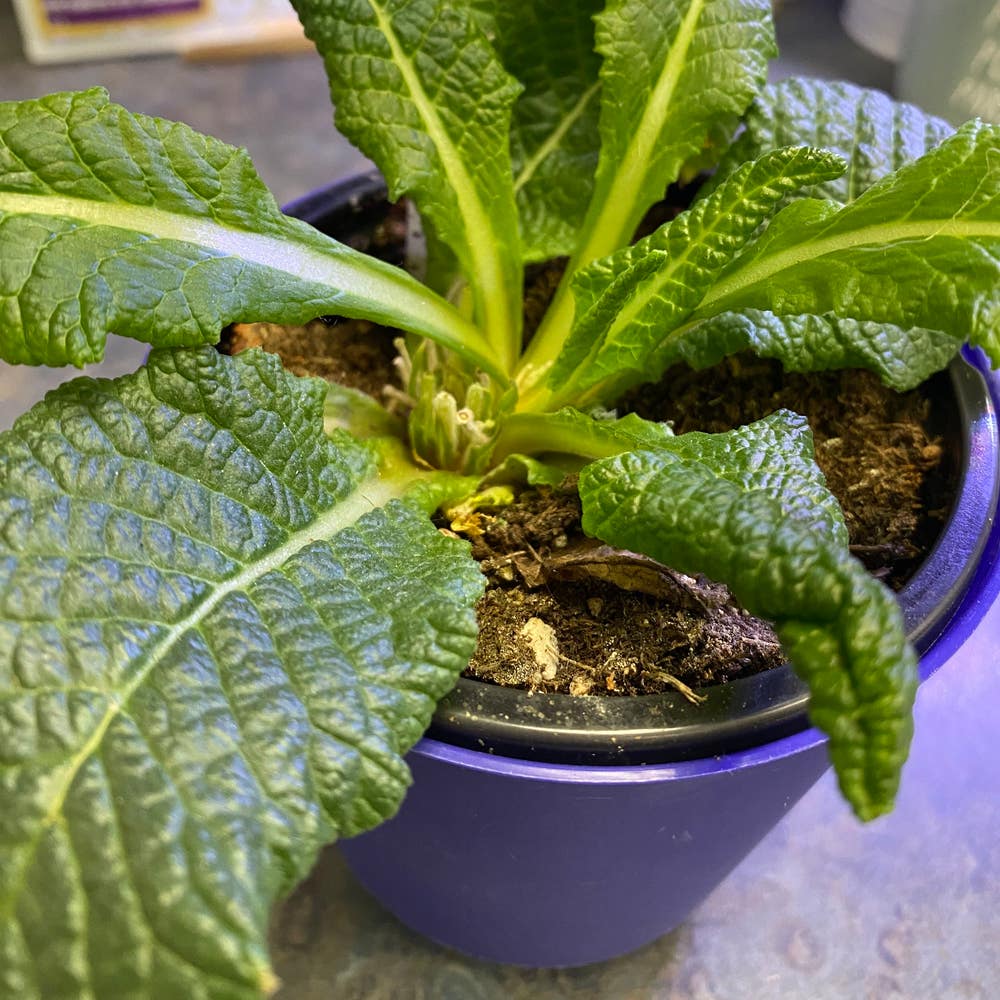
Why Are My Oxlip Leaves Mushy?
Primula elatior
By the Greg Editorial Team
Feb 14, 2024•4 min read
This article was created with the help of AI so we can cover more plants for you. May contain errors. See one? Report it here.
- 🚫 Overwatering leads to mushy leaves, indicating a need to reduce water.
- 🌱 Proper drainage is essential; add perlite for soil breathability.
- 🍄 Prevent fungal issues with consistent watering and copper-based fungicides.
Spotting the Trouble: Signs Your Oxlip Leaves Are Unhappy
💧 Overwatering Symptoms
If your Oxlip's leaves are more limp than a forgotten salad, it's likely screaming for a break from water. Yellowing leaves and a soil consistency that's reminiscent of a wet sponge are classic overwatering red flags.
🚰 Drainage Woes
When the pot feels heavier than your last breakup, it's a sign the water isn't leaving. If the soil clings to your fingers with the desperation of a clingy ex, you've got a drainage issue.
🍄 Telltale Fungal Foes
Mushy leaves are the calling cards of fungal parties you didn't invite. Black spots or a musty odor wafting from the soil are your cue to act fast—fungal invaders are gatecrashing your Oxlip's roots.
Getting to the Root: Common Causes of Sogginess
🌊 The Perils of Overwatering
Overwatering is the silent killer of Oxlip plants. Roots suffocate without air, transforming your soil into an underwater wasteland. If your Oxlip's pot feels like a waterlogged weight, it's time to dial back on the H2O.
🚰 When the Water Won't Leave
Poor drainage turns your pot into a miniature swamp. Roots can't breathe in perpetually wet soil, and without that essential air, they're as good as gills on a bird. Check for a soil that clings like wet clay—it's a red flag.
🍄 Fungal Invaders
Fungi thrive in moisture-rich environments, making overwatered Oxlips a fungal fiesta. Look for leaves that have gone from firm to fungal feast—it's a clear sign that unwanted guests have moved in.
First Aid for Mushy Leaves
💦 Rescuing Overwatered Oxlips
Cease watering immediately. Your Oxlip's life depends on it. Gently remove the plant from its pot and conduct a root audit. If they're mushy, it's time to get surgical. Snip the damaged roots and bid them farewell. Repot with a well-draining mix—think of it as your plant's ICU.
🚰 Fixing the Flow
Drainage holes are your best friends here. No holes? Drill some. Holes clogged? Clear them out. Mix in some perlite for soil that breathes better than a yogi. And remember, saucers full of water are a no-go. Empty them to avoid a soggy situation.
🍄 Battling the Fungus Among Us
Fungi are the party crashers of the plant world. Isolate your Oxlip to prevent a fungal fiesta. Trim off any infected areas—sterilize your tools after each cut. Apply a copper-based fungicide if you're dealing with a fungal foe. Keep the air moving around your plant; fungi hate a good breeze as much as they love dampness.
Prevention: Keeping Oxlip Leaves Firm and Healthy
💧 Watering Wisdom
Consistency is your Oxlip's best friend when it comes to watering. Forget the calendar; your plant doesn't care if it's Monday or Thursday. It's all about the soil's moisture level. Stick your finger in the dirt—if the top inch feels like a parched desert, it's time to water. If it's damp, hold off on the H2O. And remember, early morning watering lets the sun dry things up, reducing the risk of fungal raves.
🌱 The Best Soil and Potting Mix
Your Oxlip's roots crave a well-draining sanctuary. Think nutrient-rich soil that's loose enough to allow water to pass through like a sieve, not a swamp. Mixing in some perlite or sand can boost drainage. And don't forget the pot—it should have holes in the bottom like Swiss cheese. Terra cotta pots are the MVPs here, letting soil breathe and dry out more effectively than their plastic cousins.
🍄 Fungal Disease Defense Tactics
Fungi love a good party, and wet leaves are their favorite rave spot. Water at the base of your Oxlip to avoid giving these uninvited guests a place to crash. Ensure there's enough space between plants for air to circulate like a gentle breeze, whisking away moisture and keeping the fungal bouncers at bay. Regular leaf inspections are your secret weapon—catch those pesky invaders before they settle in.
⚠️ Safety First
This content is for general information and may contain errors, omissions, or outdated details. It is not medical, veterinary advice, or an endorsement of therapeutic claims.
Always consult a qualified healthcare professional before using any plant as food, medicine, or supplement.
Never eat any plant (or feed one to pets) without confirming its identity with at least two trusted sources.
If you suspect poisoning, call Poison Control (800) 222-1222, the Pet Poison Helpline (800) 213-6680, or your local emergency service immediately.
Spotted an error? Please report it here.
Prevent mushy leaves and fungal woes in your Oxlip by relying on Greg for perfect watering reminders 🚿, ensuring your plant's roots and leaves stay healthy and strong.