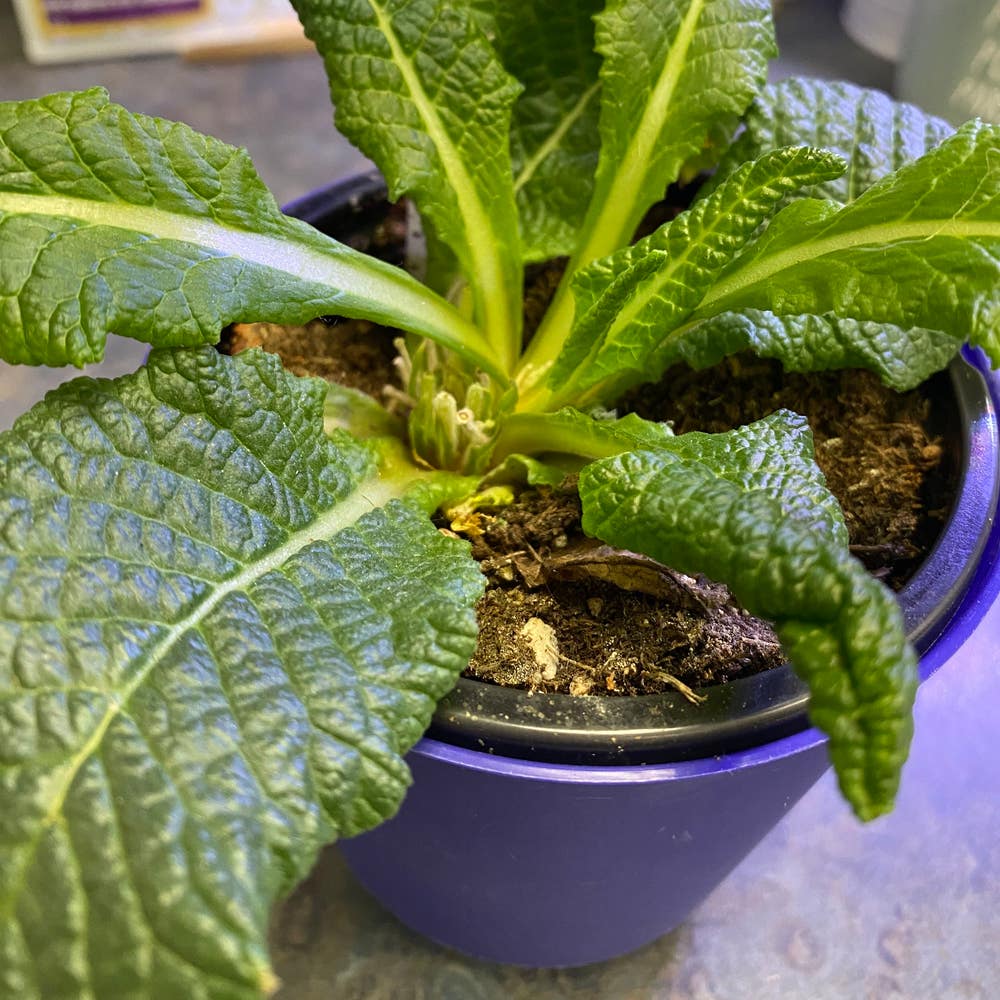
Why Are My Oxlip Leaves Falling Over?
Primula elatior
By the Greg Editorial Team
Feb 14, 2024•5 min read
This article was created with the help of AI so we can cover more plants for you. May contain errors. See one? Report it here.
- Overwatering and underwatering both lead to droopy Oxlip leaves; balance is key.
- Adjust light and temperature to prevent bleached or dark leaves and maintain health.
- Regular soil refreshment and tailored fertilization keep Oxlip leaves perky and strong.
Spot the Signs: Why Your Oxlip Leaves Are Giving Up
🌊 Too Much Love: The Perils of Overwatering
Soggy soil and leaves that feel like a wet sponge are your Oxlip's way of saying, "Enough!" Overwatering can lead to a host of issues, including root rot and those telltale brown spots with a yellow halo. It's a classic case of too much of a good thing.
Quick fixes to rescue overwatered Oxlips:
- Cut back on the water. Let the soil dry out to the touch before reaching for the watering can again.
- Check the drainage. If your pot's as watertight as a submarine, it's time for a new one with proper holes.
🏜️ Thirsty Roots: When Underwatering Takes Its Toll
Leaves drooping like they've lost the will to live? Your Oxlip might be parched. Underwatering can cause leaves to curl and soil to pull away from the pot edges, a clear sign your plant's in a drought.
How to rehydrate without overdoing it:
- Give your Oxlip a steady drink, allowing water to reach the roots without flooding them.
- Use your finger as a moisture gauge; if the top inch of soil is dry, it's time to water.
🌞 Feeling the Burn: Light and Temperature Troubles
If your Oxlip's leaves are more bleached than a 90's boy band, it's likely getting too much sun. Conversely, leaves that are as dark as a cave might indicate a need for more light. Temperature swings can also cause leaves to act out.
Adjusting your Oxlip's sunbathing and chill time:
- Find a sweet spot where the light is bright but indirect.
- Keep temperatures consistent; think room temperature, not a summer in the Sahara or a winter in Winnipeg.
The Balancing Act: Water and Soil Harmony
💧 Perfecting Your Pour: Watering Rhythms for Oxlip Health
Mimicking nature is key for Oxlip watering. These plants crave a schedule that reflects their woodland origins—consistent, but not overbearing. Adjust your watering frequency with the seasons; less in winter, more during growth spurts.
Moisture meters can be your secret weapon, taking the guesswork out of gauging soil wetness. Alternatively, the classic finger test—poke the soil an inch deep; if it's dry, it's time to water—still holds up.
🌱 Soil Matters: Ensuring Your Oxlip Stays Upright
Well-draining soil is non-negotiable for Oxlips. It's the foundation that prevents your plant from becoming a wilted mess. If your Oxlip's leaves are drooping, it might be time to reassess the soil situation.
Refreshing the soil can be as simple as mixing in some perlite or sand to improve drainage. And don't forget to do this periodically—your Oxlip's roots will thank you by keeping those leaves standing tall.
Feeding Finesse: Nutrients That Keep Leaves Perked Up
💡 Spotting the Deficiencies: Telltale Signs in Your Oxlip
Yellowing leaves at the base often scream nitrogen deficiency. It's like your Oxlip is prioritizing its new growth over the old, reallocating its scant resources. A balanced, nitrogen-rich fertilizer can reverse this sad yellow to vibrant green. Remember, moderation is your mantra.
Brittle, browning leaves might hint at a lack of potassium. This essential nutrient is a lifeline for water regulation and disease resistance. Without it, your Oxlip's leaves can droop like they've lost all hope.
Slow growth or weak stems? Point your finger at phosphorus. It's the backbone for your plant's energy transfer. Skimp on this, and your Oxlip's vitality could plummet.
💡 Nourishment Know-How: Fertilizing Without Overfeeding
Craft a fertilization strategy that's tailored to your Oxlip's needs. Stick to a schedule that mimics the natural growth cycles. Tools like moisture meters can help you check soil moisture, ensuring you're not just watering but nourishing effectively.
Organic fertilizers are like slow-release energy bars, feeding your Oxlip steadily over time. They're less likely to cause nutrient burn compared to their synthetic counterparts, which can be like a sugar rush followed by a crash if overused.
Synthetic fertilizers offer a quick fix, a fast-food meal for your plant. They can be effective but risky if overdone. Always follow the label directions like it's the law of the land.
Remember, whether you go organic or synthetic, it's about providing a nutrient-rich snack, not an all-you-can-eat buffet. Overfeeding can lead to as much droop as neglect, so keep it balanced.
Proactive Plant Parenting: Keeping Oxlip Leaves Proud and Tall
💉 Routine Check-Ups: Early Detection of Droopiness
Regular monitoring is like the pulse check of your Oxlip's health. Catching early signs of distress can prevent your plant's leaves from staging a dramatic collapse. Seasonal adjustments are not just a suggestion; they're a necessity for keeping your Oxlip thriving. As the seasons change, so should your care routine—think of it as updating your wardrobe for the weather.
🌿 Stress Prevention: Environmental Control for Happy Leaves
Creating a stable environment is key to preventing your Oxlip from throwing a leafy tantrum. Keep light, temperature, and humidity consistent—your plant craves routine as much as you do your morning coffee. Consider relocating your Oxlip if its current spot is more drama than stability. Sometimes a simple change of scenery is all it takes to keep those leaves standing at attention.
⚠️ Safety First
This content is for general information and may contain errors, omissions, or outdated details. It is not medical, veterinary advice, or an endorsement of therapeutic claims.
Always consult a qualified healthcare professional before using any plant as food, medicine, or supplement.
Never eat any plant (or feed one to pets) without confirming its identity with at least two trusted sources.
If you suspect poisoning, call Poison Control (800) 222-1222, the Pet Poison Helpline (800) 213-6680, or your local emergency service immediately.
Spotted an error? Please report it here.
Revive drooping Oxlip leaves and prevent future falls by letting Greg craft a custom watering plan 💧 based on your home's unique environment and your plant's needs.