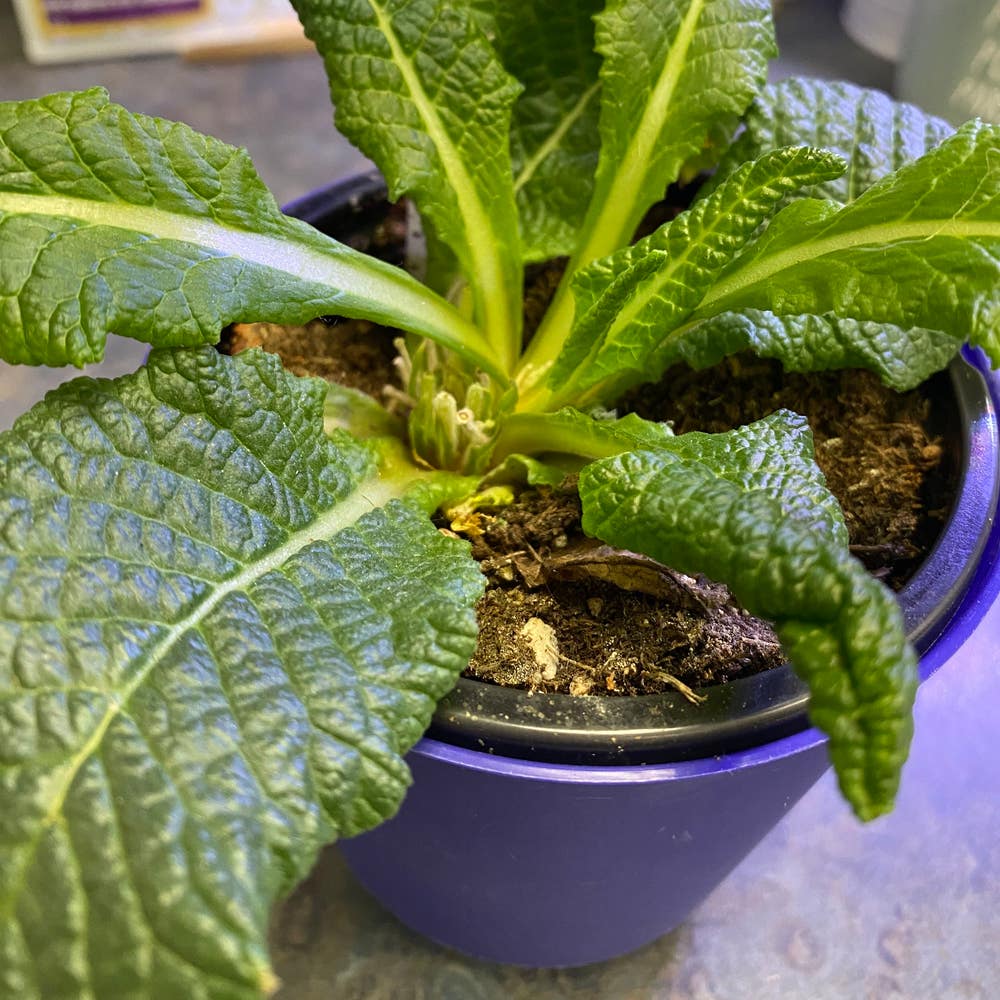
Best Tips for Healthy Oxlip Roots 🥕
Primula elatior
By the Greg Editorial Team
Sep 30, 2024•8 min read
This article was created with the help of AI so we can cover more plants for you. May contain errors. See one? Report it here.
- 🌱 Oxlip roots are fibrous, enhancing nutrient uptake and adaptability to soil conditions.
- 💧 Proper watering prevents root rot; maintain a consistent schedule for healthy growth.
- 🌿 Transplant during dormancy to minimize root disturbance and promote recovery.
Type of Root System
🌱 Characteristics of the Root System
Oxlip plants feature a fibrous root system, which is known for its efficient nutrient uptake. This type of root structure allows them to thrive in various soil conditions, making them adaptable and resilient.
Fibrous roots spread out horizontally, creating a network that maximizes contact with the soil. This adaptability is crucial for nutrient absorption, especially in less-than-ideal conditions.
⚖️ Comparison: Taproot vs. Fibrous Roots
When comparing taproots and fibrous roots, the differences in structure and function become clear. Taproots grow deep into the soil, anchoring the plant and accessing water from deeper layers, while fibrous roots spread out near the surface.
For plant care, this means that Oxlip plants require different watering and fertilizing strategies than those with taproots. Understanding these distinctions helps you provide the best care for your Oxlip, ensuring robust growth and health.
Root Depth and Growth Patterns
Root Depth and Spread 🌱
Oxlip roots typically reach depths of about 12 to 18 inches, though this can vary among different varieties. This depth allows them to access vital nutrients and moisture, making them resilient in various soil conditions.
The spread of Oxlip roots is equally important. They adapt well to different soil types, often extending laterally to ensure efficient nutrient absorption. A wide root spread enhances stability and helps the plant thrive, especially in nutrient-poor soils.
Growth Patterns 📈
Understanding the seasonal growth patterns of Oxlip is crucial for effective care. These plants experience active growth in spring and summer, while entering a dormant phase during the colder months.
Environmental factors significantly influence root growth. Soil moisture, temperature, and light conditions can either promote healthy development or hinder it. Keeping an eye on these elements ensures your Oxlip roots remain robust and productive.
As you nurture your Oxlip, remember that a healthy root system is the foundation for vibrant growth. Next, we’ll explore essential practices for watering, fertilizing, and transplanting your Oxlip to support that root health.
Watering, Fertilizing, and Transplanting
Watering Practices 🌊
Proper drainage is crucial for Oxlip roots. These plants are particularly sensitive to overwatering, which can lead to root rot and other health issues.
To maintain optimal moisture levels, establish a recommended watering schedule. Adjust the frequency and amount based on your soil conditions, ensuring the roots receive adequate hydration without becoming waterlogged.
Fertilizing Techniques 🌱
Choosing the right fertilizer is essential for healthy Oxlip growth. Look for options with balanced NPK ratios or organic alternatives that support root development.
A well-timed fertilization schedule can make a significant difference. Apply fertilizers during active growth periods, typically in spring and early summer, to maximize nutrient uptake.
Transplanting Considerations 🌍
Transplanting Oxlip requires careful planning to minimize root disturbance. The best time to transplant is during the plant's dormant phase, usually in early spring or fall.
When transplanting, use techniques that protect the roots. Gently loosen the root ball and ensure the new pot has adequate drainage to promote healthy growth in its new environment.
With these practices in mind, you'll set your Oxlip up for success. Next, let’s explore common root-related issues that can arise and how to address them effectively.
Common Root-Related Issues
Identifying Problems 🌱
Oxlip roots can face several common issues, primarily overwatering, root rot, and nutrient deficiencies. Each of these problems can significantly impact the health and growth of your plant.
Overwatering is a frequent culprit, leading to root rot, which can be detrimental if not addressed promptly. Nutrient deficiencies can also arise, often manifesting in poor plant growth and yellowing leaves.
To spot these issues early, look for visual cues. Signs of overwatering include wilting despite wet soil, while root rot may present as mushy roots or a foul smell. Nutrient deficiencies often show up as discolored leaves or stunted growth.
Solutions and Prevention Tips 🛠️
Preventing root-related issues starts with good practices. Choose well-draining soil to avoid water retention, and ensure your pots have adequate drainage holes.
Watering practices are crucial; allow the top inch of soil to dry out before watering again. This helps prevent overwatering and promotes healthy root development.
If you encounter existing problems, act quickly. For root rot, remove the affected roots and repot the plant in fresh, dry soil. Address nutrient deficiencies by applying a balanced fertilizer, focusing on NPK ratios suitable for Oxlip.
By staying vigilant and proactive, you can maintain healthy roots and ensure your Oxlip thrives. Next, let’s explore how to recognize and address rootbound conditions.
Indicators of Root Health
🌱 Visual Cues for Healthy vs. Unhealthy Roots
Healthy Oxlip roots are vibrant and firm, showcasing a rich color and smooth texture. Look for roots that exhibit strong growth patterns, indicating they are thriving in their environment.
In contrast, unhealthy roots often display signs of distress. Discoloration, mushiness, and stunted growth are red flags that should not be ignored. If you notice these symptoms, it’s time to investigate further.
🔍 Other Indicators
Beyond the roots themselves, overall plant vigor is a key indicator of root health. A robust Oxlip plant will show lively growth and vibrant leaves.
Additionally, leaf health and flowering patterns can serve as indirect indicators of root conditions. If your Oxlip is struggling to bloom or its leaves appear lackluster, the roots may be the underlying issue.
Recognizing these signs early can help you take action to ensure your Oxlip thrives. Understanding root health is crucial for maintaining a flourishing plant, setting the stage for the next section on rootbound conditions.
Recognizing and Addressing Rootbound Conditions
📖 Definition and Recognition
Rootbound refers to a condition where a plant's roots become confined within its pot. This often happens when the plant outgrows its container, leading to roots circling around the pot instead of spreading out.
Signs that your Oxlip plant is rootbound include root circling, which can be seen through drainage holes, stunted growth, and issues with water retention. If you notice that water pools on the surface instead of soaking in, it’s a clear indicator that the roots are congested.
🛠️ Intervention Strategies
Timing is crucial when addressing rootbound conditions. The best practices for repotting or dividing your Oxlip are typically in the spring or early summer when the plant is actively growing.
To effectively tackle rootbound issues, follow this step-by-step guide:
Assessing root health: Gently remove the plant from its pot and inspect the roots. Healthy roots should be white and firm, while unhealthy ones may appear brown or mushy.
Choosing the right pot size: Select a pot that is 1-2 inches larger in diameter than the current one. This provides ample space for the roots to expand without overwhelming the plant.
Techniques for gently loosening roots: Use your fingers or a clean tool to gently tease apart any circling roots. Be careful not to damage them, as healthy roots are vital for the plant's recovery.
By recognizing rootbound conditions early and taking appropriate action, you can help your Oxlip thrive. This proactive approach not only enhances root health but also promotes overall plant vigor.
Transitioning to the next topic, understanding how to propagate and divide your Oxlip can further support its growth and vitality.
Propagation and Division
Importance of Root Health 🌱
Healthy roots are crucial for successful propagation of Oxlip plants. They directly influence growth and the establishment of new plants, ensuring they thrive in their new environment.
Techniques for Dividing ✂️
Dividing Oxlip plants can rejuvenate them and promote healthy growth. Here’s a step-by-step guide to ensure you do it right:
Timing for Division
The best time to divide Oxlip is during the early spring or fall. This timing allows the plant to recover and establish roots before the growing season.Tools Needed for Clean Cuts
Gather sharp, sterilized tools such as a spade or garden knife. Clean cuts minimize stress and reduce the risk of disease.Techniques for Ensuring Root Health During Division
- Gently remove the plant from its pot, taking care not to damage the roots.
- Inspect the root system for any signs of rot or damage.
- Use your hands to carefully separate the roots into sections, ensuring each division has healthy roots and some foliage.
By following these steps, you can promote robust growth and ensure your Oxlip plants flourish.
Understanding the importance of root health and mastering the division technique sets the stage for vibrant, thriving plants. Next, we’ll explore how to recognize and address rootbound conditions, ensuring your plants have ample space to grow.
⚠️ Safety First
This content is for general information and may contain errors, omissions, or outdated details. It is not medical, veterinary advice, or an endorsement of therapeutic claims.
Always consult a qualified healthcare professional before using any plant as food, medicine, or supplement.
Never eat any plant (or feed one to pets) without confirming its identity with at least two trusted sources.
If you suspect poisoning, call Poison Control (800) 222-1222, the Pet Poison Helpline (800) 213-6680, or your local emergency service immediately.
Spotted an error? Please report it here.
Nurture your Oxlip roots for vibrant growth 🌿 by using Greg's tailored watering reminders and nutrient tips to keep your plants thriving!