🌼 Oxlip: Not an Annual
Primula elatior
By the Greg Editorial Team
Sep 30, 2024•4 min read
This article was created with the help of AI so we can cover more plants for you. May contain errors. See one? Report it here.
- 🌼 Oxlip is a perennial, thriving for years unlike short-lived annuals.
- 🌱 It blooms in spring and goes dormant, conserving energy for future growth.
- 🌿 Oxlip's adaptability ensures vibrant displays, making it a long-term garden investment.
Genetic and Physiological Characteristics of Oxlip
Long-term Lifecycle of Oxlip 🌱
Oxlip typically enjoys a lifespan of several years, distinguishing it from many short-lived plants. It emerges in early spring, bursts into bloom, and then gracefully goes dormant, conserving energy for the next cycle.
Growth Patterns Specific to Oxlip 🌿
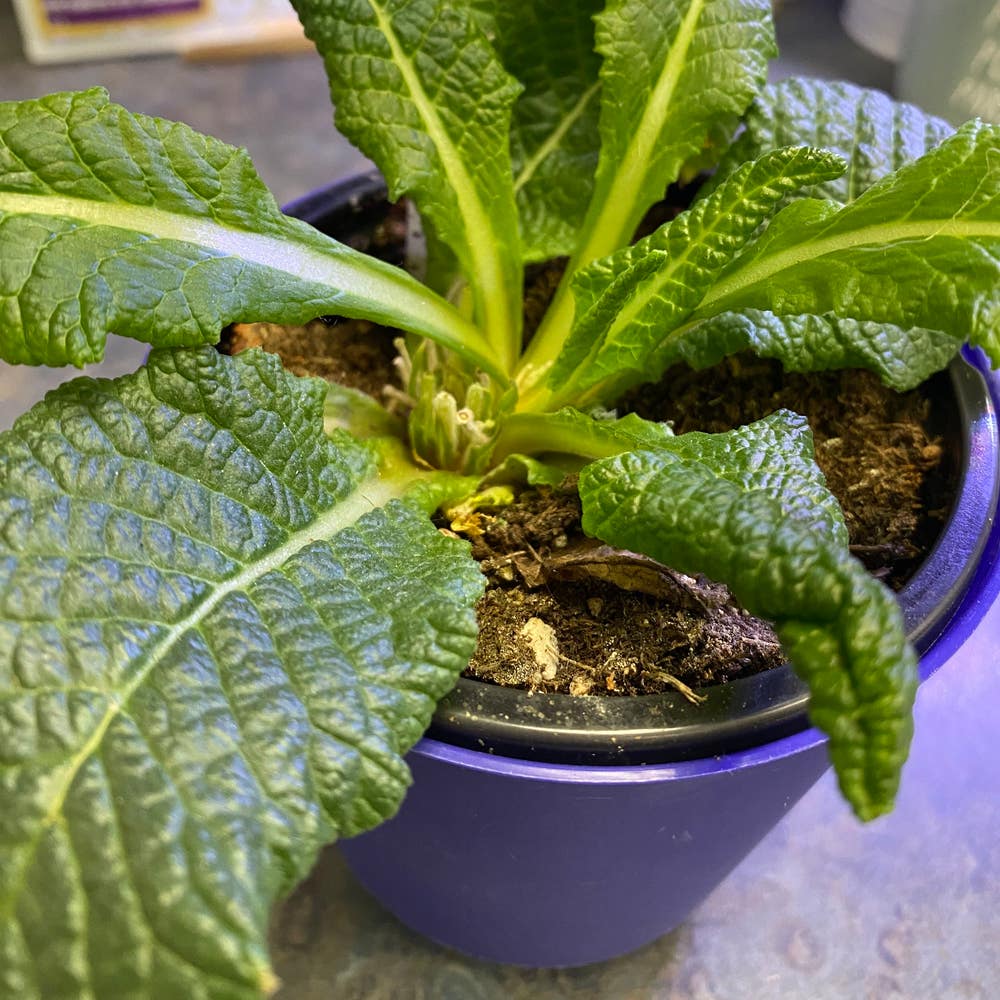
Oxlip exhibits a clumping habit, forming dense rosettes that create an eye-catching display. Its broad, green leaves are not just for show; they play a crucial role in photosynthesis, maximizing energy capture.
Reproductive Strategies of Oxlip 🌼
This perennial produces seeds that can germinate in subsequent seasons, ensuring its presence year after year. During its flowering period, Oxlip attracts various pollinators, enhancing its reproductive success and contributing to the ecosystem.
Understanding these genetic and physiological traits of Oxlip sets the stage for appreciating its unique role in gardens and natural habitats. Next, we’ll explore how Oxlip compares to annual plants, highlighting its distinct lifecycle and growth patterns.
Comparison with Annuals
Lifecycle Differences Between Oxlip and True Annuals 🌱
Annual plants complete their entire lifecycle within a single season. They germinate, grow, flower, produce seeds, and then die, leaving no roots behind.
In contrast, Oxlip is a perennial. It regrows from its roots each year, showcasing a lifecycle that allows it to thrive over multiple seasons.
Growth, Flowering, and Seed Production Differences 🌼
Oxlip blooms in early spring, bringing vibrant life to gardens when many plants are still dormant. This contrasts with many annuals, which typically flower in the summer.
When it comes to seed production, Oxlip's seeds contribute to its long-term growth. Unlike annuals that depend on new seeds each year, Oxlip's seeds can germinate in subsequent seasons, ensuring a continuous presence in your garden.
This resilience makes Oxlip a fantastic choice for those looking to cultivate a lasting garden. As we explore further, we’ll delve into the variations and exceptions that can affect Oxlip's classification.
Variations and Exceptions
🌱 Conditions Where Oxlip May Be Mistaken for an Annual
Oxlip's short flowering period can easily lead to its misclassification as an annual. Gardeners might overlook its perennial nature if they only focus on its brief bloom time.
Environmental stressors, such as drought or poor soil conditions, can also impact Oxlip's growth and flowering. When faced with these challenges, it may not thrive as expected, further contributing to the confusion.
🌍 Regional Variations Affecting Oxlip's Classification
Climate and soil conditions play a significant role in how Oxlip grows. Variations in these factors can lead to differences in growth patterns, making it appear more like an annual in some regions.
Additionally, Oxlip may adapt to its environment in ways that mimic annual behavior. These adaptations can confuse even seasoned gardeners, highlighting the importance of understanding local conditions when classifying this unique plant.
As we explore the implications of using Oxlip in garden design, it's essential to recognize these variations. They not only affect how we perceive Oxlip but also how we can best utilize it in our landscapes.
Garden Design Implications
Advantages of Using Oxlip in Perennial Planting 🌼
Oxlip is a fantastic choice for perennial planting due to its long-term investment potential. This plant returns year after year, providing consistent beauty and interest in your garden.
Moreover, oxlip naturally spreads over time, creating stunning displays that can transform any space. Its ability to establish itself makes it a reliable addition to your garden.
Tips for Integrating Oxlip into Garden Design 🌿
When incorporating oxlip into your garden, consider companion planting. Pairing it with other perennials can enhance visual interest and create a vibrant ecosystem.
Placement is crucial; oxlip thrives in damp, shaded areas that mimic its natural habitat. This ensures optimal growth and allows it to flourish alongside other plants.
By thoughtfully integrating oxlip, you can create a lush, inviting garden that celebrates the beauty of perennials. As you plan your design, keep in mind the unique characteristics of oxlip to maximize its potential in your landscape.
Management Tips for Longevity
Best Practices for Managing Oxlip as a Perennial 🌱
To ensure your Oxlip thrives, focus on its soil requirements. It prefers well-draining soil rich in organic matter, which supports its growth and health.
Watering is equally crucial. Maintain consistent moisture without waterlogging, as too much water can lead to root rot.
Strategies for Maximizing Oxlip's Longevity in the Garden 🌼
Mulching is a game-changer for Oxlip. It helps retain moisture and suppress weeds, creating a more favorable environment for growth.
Consider division every few years. This practice promotes healthy growth and prevents overcrowding, allowing your Oxlip to flourish.
By following these management tips, you can enjoy the beauty of Oxlip in your garden for years to come. Next, let’s explore how to integrate Oxlip into your garden design effectively.
⚠️ Safety First
This content is for general information and may contain errors, omissions, or outdated details. It is not medical, veterinary advice, or an endorsement of therapeutic claims.
Always consult a qualified healthcare professional before using any plant as food, medicine, or supplement.
Never eat any plant (or feed one to pets) without confirming its identity with at least two trusted sources.
If you suspect poisoning, call Poison Control (800) 222-1222, the Pet Poison Helpline (800) 213-6680, or your local emergency service immediately.
Spotted an error? Please report it here.
Unlock the perennial beauty of Oxlip in your garden 🌱 with Greg's tailored care reminders, ensuring this vibrant plant thrives season after season!