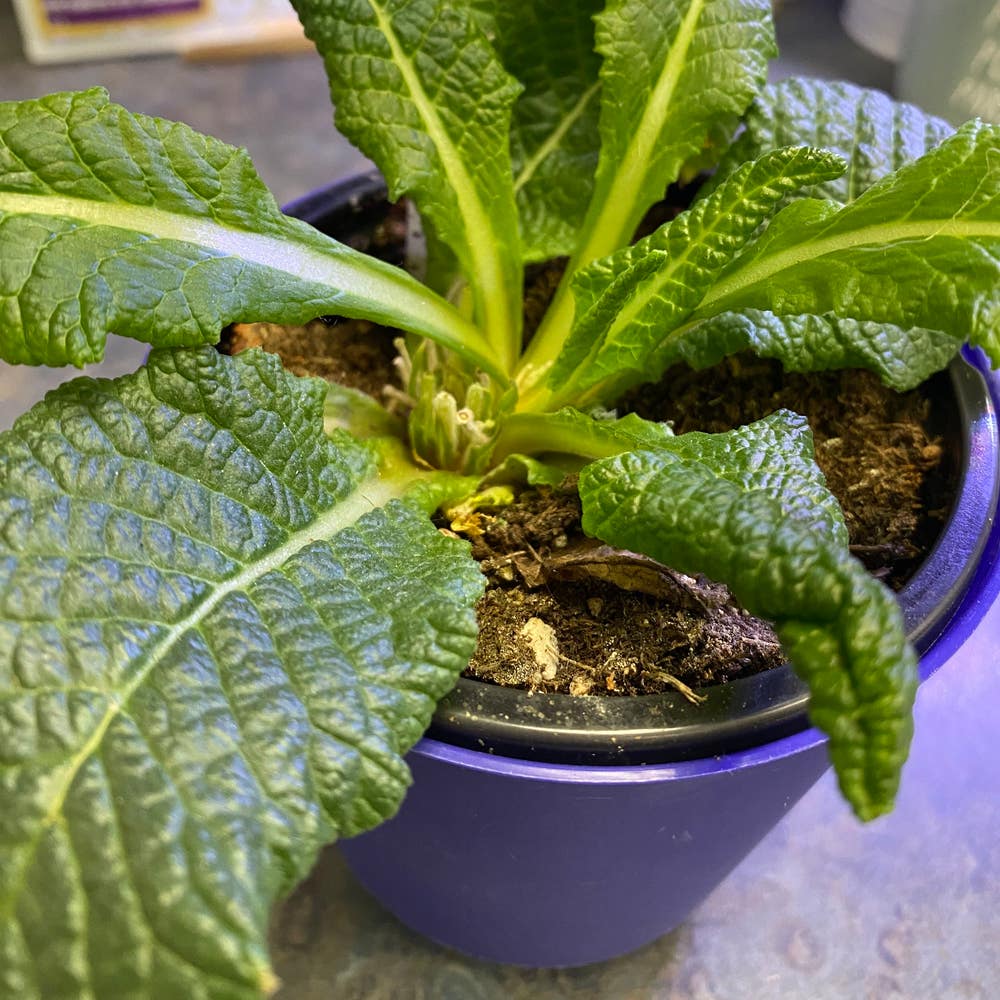
🌼 5 Essential Outdoor Oxlip Care Routines
Primula elatior
By the Greg Editorial Team
Sep 30, 2024•5 min read
This article was created with the help of AI so we can cover more plants for you. May contain errors. See one? Report it here.
- 🌞 Oxlips need 4-6 hours of indirect sunlight to thrive and prevent leaf scorch.
- 💧 Moist, well-drained soil is essential; avoid overwatering to prevent root rot.
- 🌿 Use balanced fertilizers in spring for optimal growth and blooming support.
Sunlight and Soil Requirements
Ideal Sunlight Conditions 🌤️
Oxlips thrive best in partial shade, requiring about 4 to 6 hours of indirect sunlight daily. Too much sun can lead to leaf scorch and a noticeable reduction in flowering, so finding that sweet spot is crucial.
Soil Type and pH Preferences 🌱
For optimal growth, oxlips prefer moist, well-drained soil rich in organic matter. Aim for a slightly acidic to neutral pH, ideally between 6.0 and 7.0, to create the best environment for these plants.
Importance of Soil Drainage 🚰
Proper soil drainage is essential to prevent root rot, which can be detrimental to your oxlips. Healthy drainage promotes robust growth and keeps your plants thriving throughout the seasons.
By ensuring your oxlips receive the right sunlight and soil conditions, you set the stage for vibrant blooms and healthy foliage. Next, let’s explore how to effectively water and fertilize your plants for optimal growth.
Watering and Fertilization
Watering Frequency and Techniques 🌊
Oxlips thrive best when their soil remains consistently moist but not waterlogged. Aim for a balance that keeps the roots happy without drowning them.
To achieve this, consider using drip irrigation or soaker hoses. These methods deliver water directly to the soil, ensuring even moisture distribution.
Watch for signs of overwatering, such as yellowing leaves and wilting. These indicators can help you adjust your watering routine before serious damage occurs.
Best Fertilizers 🌱
For optimal growth, use balanced, slow-release fertilizers with an NPK ratio of 10-10-10. This ensures your oxlips receive a steady supply of nutrients throughout their growing season.
Apply fertilizer in early spring to kickstart growth and again after blooming to support ongoing health. If you prefer organic options, compost or well-rotted manure can enrich the soil naturally.
By following these watering and fertilization guidelines, you’ll set your oxlips up for success. Next, let’s explore the planting options available for these beautiful plants.
Planting Options: Container vs. Ground
🌱 Benefits and Drawbacks of Container Planting
Container planting offers remarkable mobility. You can easily relocate your oxlip to capture optimal sunlight or shield it from harsh weather.
Another advantage is soil control. You can customize the soil mix to create the perfect environment for your plants. However, this comes with limitations; the limited root space in containers may restrict growth and flowering potential.
Additionally, containers tend to dry out faster than ground soil, leading to increased watering needs. This means you'll need to keep a close eye on moisture levels to ensure your plants thrive.
🌍 Benefits and Drawbacks of Ground Planting
On the other hand, ground planting provides a natural growth environment. Your oxlip can spread its roots freely, promoting healthier growth.
Ground soil typically offers better moisture retention, which can be a game-changer during dry spells. However, you might have less control over soil conditions, necessitating amendments for optimal growth.
Lastly, ground planting exposes your plants to more risks, including vulnerability to pests and diseases. This greater exposure means you'll need to be vigilant about monitoring and managing potential threats.
In summary, both planting options have their unique benefits and challenges. Choosing between container and ground planting ultimately depends on your gardening goals and the specific conditions of your outdoor space. Next, let’s explore how to protect your oxlip from weather extremes and pesky pests.
Protection from Weather and Pests
🌧️ Strategies for Weather Protection
Mulching is a game-changer for your outdoor oxlip. A layer of organic mulch not only retains moisture but also helps regulate soil temperature, creating a stable environment for your plants.
During extreme weather, consider using temporary covers like frost cloths or garden fabric. These can shield your plants from harsh conditions, ensuring they thrive through unpredictable weather.
🐛 Common Outdoor Pests and Control Methods
Aphids can be a nuisance, often leaving curled leaves in their wake. To combat these pests, use insecticidal soap, which is effective and easy to apply.
Slugs and snails also pose a threat to your oxlip. Implement copper barriers or organic slug bait to keep these slimy invaders at bay and protect your plants.
🦠 Diseases and Prevention Tips
Root rot is a common issue caused by overwatering. To prevent this, ensure proper drainage in your soil, allowing your oxlip to flourish without drowning.
Powdery mildew can also affect your plants, often appearing as a white film. Maintain proper spacing and air circulation to minimize the risk of this disease, keeping your oxlip healthy and vibrant.
With these strategies in place, your oxlip will be well-protected from the elements and pests. Next, let’s explore how seasonal changes impact your care routine.
Seasonal Care and Climate Considerations
Seasonal Changes and Their Impact on Care 🌱
Spring is a crucial time for your outdoor oxlip. As growth begins, adjust your fertilization and watering routines to support new development.
In summer, keep an eye on moisture levels. Increased watering may be necessary during dry spells to ensure your plants thrive.
Special Considerations for Different Climate Zones 🌍
If you live in a cool climate, protecting your oxlip from frost is essential. Use covers and mulch to shield them from harsh conditions.
For warmer climates, maintaining adequate moisture and providing shade during peak heat will help your plants flourish.
Preparing for Winter ❄️
As fall approaches, it's time to cut back foliage. Trim any dead or damaged leaves to prepare your oxlip for the winter months.
Mulching is another vital step. Apply a thick layer of mulch to insulate the roots and keep them cozy during the cold.
With these seasonal care tips, your outdoor oxlip will be well-prepared to face the changing climate. Next, let’s explore effective strategies for protecting your plants from weather extremes and pests.
⚠️ Safety First
This content is for general information and may contain errors, omissions, or outdated details. It is not medical, veterinary advice, or an endorsement of therapeutic claims.
Always consult a qualified healthcare professional before using any plant as food, medicine, or supplement.
Never eat any plant (or feed one to pets) without confirming its identity with at least two trusted sources.
If you suspect poisoning, call Poison Control (800) 222-1222, the Pet Poison Helpline (800) 213-6680, or your local emergency service immediately.
Spotted an error? Please report it here.
Keep your oxlips thriving 🌼 with Greg's personalized watering reminders and tailored care tips that make outdoor plant care a breeze!