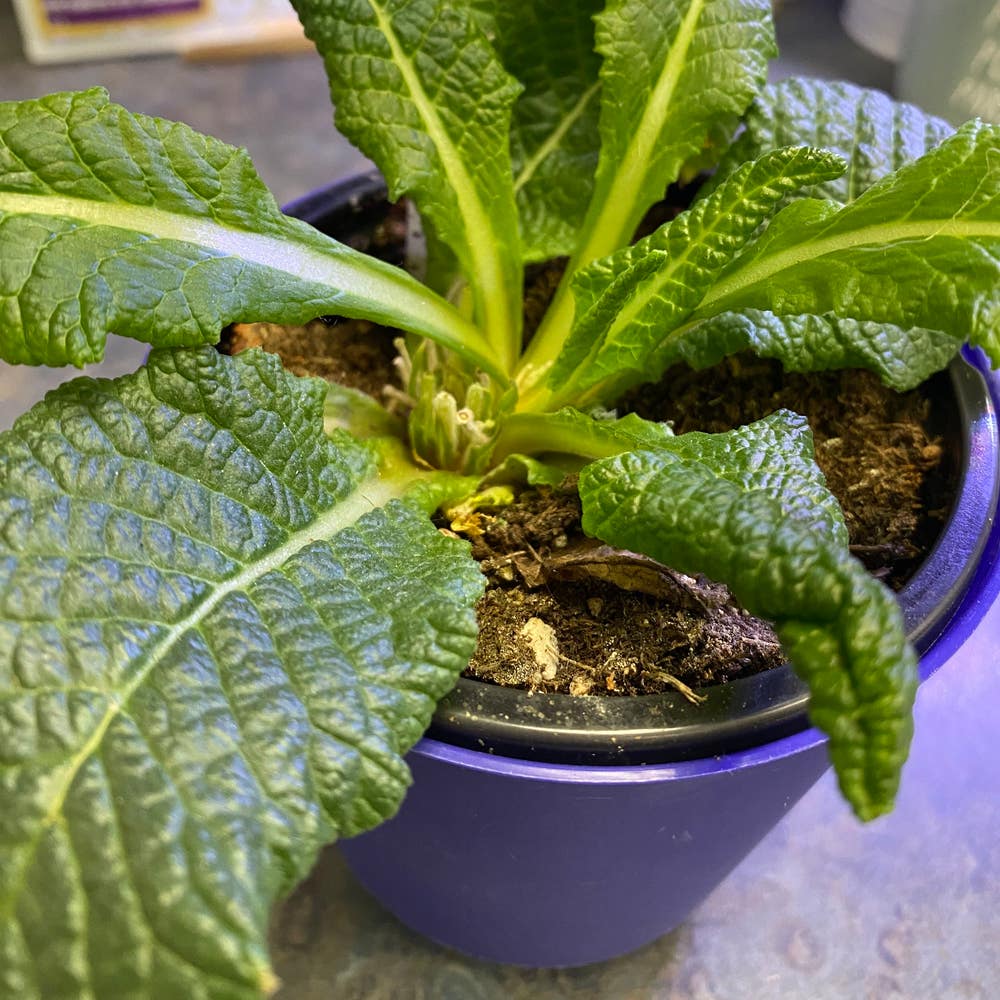
🌼 3 Plants That Love Growing with Oxlip
Primula elatior
By the Greg Editorial Team
Sep 30, 2024•4 min read
This article was created with the help of AI so we can cover more plants for you. May contain errors. See one? Report it here.
- 🌱 Oxlip thrives with companions like Bluebells and Wild Garlic, sharing moisture and shade needs.
- 🐞 Companion plants deter pests and attract beneficial insects, enhancing garden health.
- 🎨 Layering and color grouping create visual harmony, ensuring year-round garden vibrancy.
Best Companion Plants for Oxlip
🌼 Plant 1: Bluebell
Bluebells are native to woodlands, making them a perfect companion for Oxlip. Their stunning bell-shaped blue flowers bloom in spring, adding a vibrant touch to your garden.
Similar care needs (difficulty: easy)
These plants thrive in partial shade and require moist, well-drained soil. They prefer cool climates, aligning perfectly with Oxlip's growth conditions.
Pest repellent properties
Bluebells attract pollinators while deterring aphids and other pests. This natural pest control makes them an excellent choice for a healthy garden.
Visual appeal
The contrasting blue flowers of bluebells enhance the aesthetic of Oxlip's yellow blooms. Together, they create a visually striking display.
🧄 Plant 2: Wild Garlic
Wild garlic is a hardy perennial known for its white flowers and strong garlic scent. It's not only a culinary delight but also boasts impressive pest-repelling qualities.
Similar care needs (difficulty: easy)
Like Oxlip, wild garlic prefers moist, shaded environments. It thrives in well-drained soil, complementing Oxlip's requirements seamlessly.
Pest repellent properties
This plant is effective against aphids, slugs, and other common garden pests. Its strong scent acts as a natural deterrent, keeping your garden healthy.
Visual appeal
Wild garlic adds unique texture and height to your garden design. Its white flowers provide a lovely contrast to the vibrant colors of Oxlip.
🌸 Plant 3: Lungwort
Lungwort is an early spring bloomer with spotted leaves and blue or pink flowers. It's celebrated for its medicinal properties and ability to attract beneficial insects.
Similar care needs (difficulty: easy)
Lungwort thrives in partial shade and moist, rich soil. It shares similar moisture requirements with Oxlip, making them great companions.
Pest repellent properties
This plant attracts pollinators while repelling harmful pests like snails. Its presence can help maintain a balanced ecosystem in your garden.
Visual appeal
Lungwort provides a colorful contrast with Oxlip's yellow flowers. Together, they enhance the overall aesthetics of your garden, creating a lively and inviting space.
These companion plants not only thrive alongside Oxlip but also contribute to a healthier and more beautiful garden. Next, let’s explore which plants to avoid near Oxlip to ensure optimal growth.
Plants to Avoid Near Oxlip
🥊 Aggressive Companions
When planning your garden, it's crucial to steer clear of certain aggressive or nutrient-hungry plants. Common nettle and specific types of ferns can be particularly problematic.
⚔️ Competition for Resources
These plants can compete fiercely for nutrients and moisture, which can hinder the growth of Oxlip. This competition can lead to stunted growth or even the decline of your beloved Oxlip.
🐞 Pest Attraction
Additionally, some of these plants may attract pests that could negatively impact both Oxlip and its companions. Keeping your garden balanced is key to maintaining a healthy ecosystem.
By avoiding these aggressive companions, you can ensure that your Oxlip thrives alongside its more harmonious partners. This thoughtful planning will help create a flourishing garden environment.
Pest Management Strategies
How Companion Plants Help in Pest Management 🌱
Companion plants play a crucial role in pest management by creating a natural barrier against unwanted pests. They not only deter harmful insects but also attract beneficial ones that help keep your garden thriving.
Specific Pests That Oxlip and Its Companions Can Deter 🐛
Oxlip and its companions are particularly effective against common garden nuisances like aphids, slugs, and snails. Flowering companions, such as Bluebell and Wild Garlic, draw in predatory insects that feast on these pests, creating a healthier garden ecosystem.
By strategically planting these companions, you can enhance your garden's resilience against pests while promoting a vibrant, balanced environment. This approach not only protects Oxlip but also enriches the overall biodiversity of your garden.
As you consider your garden design, remember that the right companions can make all the difference in maintaining a pest-free sanctuary. Next, let’s explore how to visually enhance your garden with Oxlip and its companions.
Visual Appeal and Garden Design
Designing a Garden with Oxlip and Its Companions 🌼
Creating a garden that features Oxlip alongside its companion plants can be a rewarding experience. Start by layering plants to add height and texture, which creates a more dynamic visual landscape.
Group your companions based on color and bloom time. This strategy not only enhances visual harmony but also ensures that your garden remains vibrant throughout the growing season.
Tips for Enhancing Garden Diversity with Oxlip 🌿
Incorporate a variety of textures and colors to keep your garden interesting. Mixing different leaf shapes and flower types can create a lively atmosphere that draws the eye.
Planning for seasonal interest is crucial. Select companions that bloom at different times to ensure your garden is always in bloom, providing a continuous display of beauty and life.
By thoughtfully designing your garden with Oxlip and its companions, you can create a stunning and harmonious space that thrives together.
⚠️ Safety First
This content is for general information and may contain errors, omissions, or outdated details. It is not medical, veterinary advice, or an endorsement of therapeutic claims.
Always consult a qualified healthcare professional before using any plant as food, medicine, or supplement.
Never eat any plant (or feed one to pets) without confirming its identity with at least two trusted sources.
If you suspect poisoning, call Poison Control (800) 222-1222, the Pet Poison Helpline (800) 213-6680, or your local emergency service immediately.
Spotted an error? Please report it here.
Transform your garden into a thriving sanctuary 🌼 by pairing Oxlip with companions like Bluebells and Wild Garlic, and let Greg guide you with tailored care tips to keep your plants flourishing together!