🌵 What's Eating Your Bishop's Cap Cactus
Astrophytum myriostigma
By the Greg Editorial Team
Sep 30, 2024•6 min read
This article was created with the help of AI so we can cover more plants for you. May contain errors. See one? Report it here.
- 🌵 Bishop's Cap cactus attracts pollinators and produces edible fruits after blooming.
- 🦌 Common herbivores include deer, rabbits, and squirrels; use repellents and barriers for protection.
- 🐝 Beneficial insects like bees enhance pollination, promoting a healthier garden ecosystem.
Most Appealing Parts to Animals
🌟 Description of Appearance
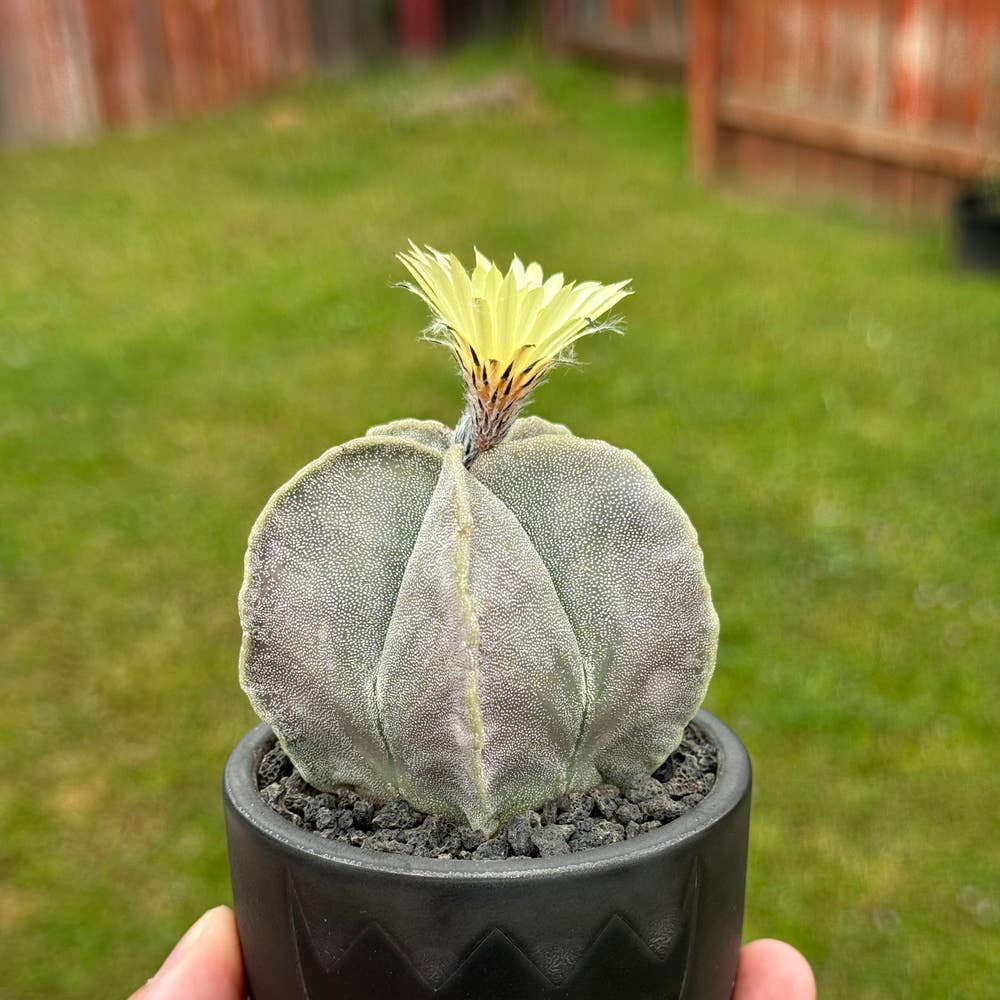
The Bishop's Cap cactus is a visual delight, featuring a distinctive star-shaped structure adorned with prominent ribs and spines. Typically, it grows to about 12 inches tall and 18 inches wide, making it a striking addition to any garden.
🌸 Flowering Characteristics
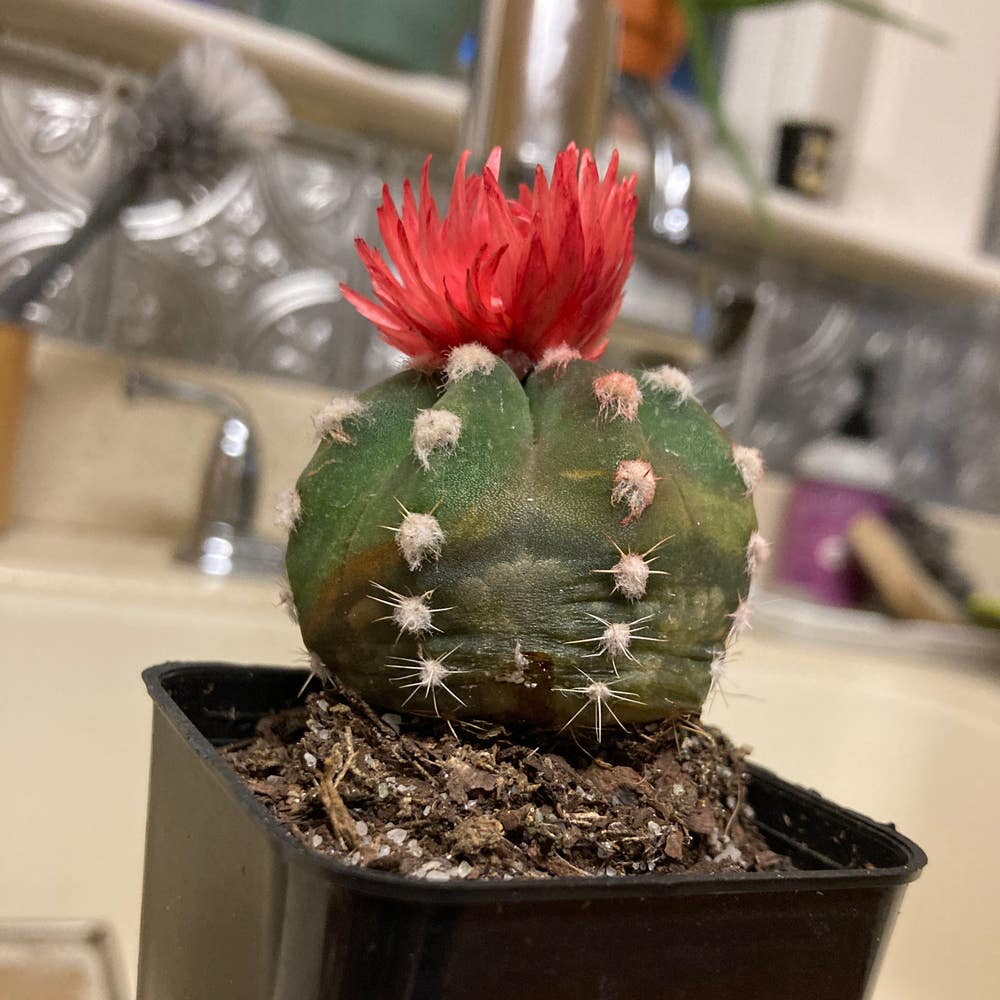
In spring and summer, this cactus bursts into vibrant blooms, attracting a variety of pollinators. These flowers not only add beauty but also signal the arrival of the cactus's edible fruits.
🍏 Fruit Description
Post-flowering, the Bishop's Cap develops fleshy, edible fruits that many animals find irresistible. This fruit is a significant draw for herbivores, making the cactus a focal point in the ecosystem.
🌿 Overall Appeal
The combination of its unique shape, colorful flowers, and tasty fruits makes the Bishop's Cap cactus a magnet for various animals. Understanding these appealing features can help gardeners protect their plants while appreciating the role these creatures play in the environment.
As we explore the common herbivores that affect the Bishop's Cap cactus, it’s essential to recognize how these appealing parts can lead to both admiration and challenges.
Common Herbivores Affecting Bishop's Cap Cactus
🦌 Deer
Signs of Presence and Damage Caused
Look for hoof prints near your Bishop's Cap Cactus. You might also notice leaves and young shoots stripped away, leading to stunted growth.
Impact on the Plant (Beneficial or Harmful)
Deer are generally harmful to the cactus. If left unmanaged, they can decimate populations.
Deterrent Methods (Chemical and Organic)
Consider using commercial deer repellents to keep them at bay. Alternatively, erecting 8-foot tall fences or planting deer-resistant plants nearby can be effective.
🐇 Rabbits
Signs of Presence and Damage Caused
Rabbits leave small, rounded footprints around the cactus. You may find clean cuts on young shoots and flowers, indicating their presence.
Impact on the Plant (Beneficial or Harmful)
Rabbits are generally harmful as they can lead to significant plant damage. Their feeding habits can severely affect the cactus's health.
Deterrent Methods (Chemical and Organic)
Rabbit repellents containing predator urine can deter these critters. Additionally, using wire mesh as a physical barrier around the cactus can provide protection.
🐿️ Squirrels
Signs of Presence and Damage Caused
Look for chewed stems and fruits, along with scattered debris. You might also find nesting materials nearby, indicating squirrel activity.
Impact on the Plant (Beneficial or Harmful)
Squirrels are generally harmful, causing damage to both the cactus and its fruits. Their foraging can lead to significant issues.
Deterrent Methods (Chemical and Organic)
Squirrel repellents containing capsaicin can be effective. Installing squirrel-proof feeders can also distract them from your cactus.
🐦 Birds
Signs of Presence and Damage Caused
Peck marks on fruits and flowers are clear signs of bird activity. You may also notice nesting in nearby areas.
Impact on the Plant (Beneficial or Harmful)
Birds have a mixed impact. While some species act as pollinators, others may damage fruits.
Deterrent Methods (Chemical and Organic)
Bird netting can protect your fruits from pecking. Installing decoys or reflective objects can also help deter unwanted birds.
🐭 Rodents (Mice, Voles, etc.)
Signs of Presence and Damage Caused
Look for small holes in the ground near the cactus. Gnaw marks on the base and roots are also indicators of rodent activity.
Impact on the Plant (Beneficial or Harmful)
Rodents are generally harmful, potentially leading to severe plant damage and root rot. Their feeding can compromise the cactus's health.
Deterrent Methods (Chemical and Organic)
Consider using rodent bait stations to manage their population. Traps and natural repellents like peppermint oil can also be effective.
🦡 Groundhogs/Woodchucks
Signs of Presence and Damage Caused
Large burrows near the cactus are a telltale sign of groundhogs. You may also find chewed stems and leaves.
Impact on the Plant (Beneficial or Harmful)
Groundhogs are generally harmful, causing extensive damage to the cactus. Their burrowing and feeding habits can be detrimental.
Deterrent Methods (Chemical and Organic)
Commercial groundhog repellents can help keep them away. Fencing and planting deterrent plants like marigolds can also provide protection.
Understanding these common herbivores and their impacts is crucial for maintaining the health of your Bishop's Cap Cactus. By implementing effective deterrent methods, you can protect your plant from potential threats while fostering a thriving garden ecosystem.
Beneficial Animals and Ecological Role
🐝 Description of Beneficial Animals
Bishop's Cap Cactus attracts a variety of beneficial animals that play crucial roles in its ecosystem. Pollinators like bees and butterflies are drawn to its vibrant flowers, ensuring the plant's reproduction.
Birds also contribute significantly by consuming the cactus's fleshy fruits and dispersing seeds, helping new plants to thrive in different areas.
🌿 Positive Impacts on the Garden Ecosystem
These interactions enhance biodiversity, promoting a balanced ecosystem. A diverse garden not only looks appealing but also supports various life forms, creating a healthier environment.
Additionally, beneficial insects can act as natural pest control, helping to manage unwanted herbivores. This balance allows your garden to flourish while minimizing the need for chemical interventions.
Incorporating these beneficial animals into your gardening strategy can lead to a more vibrant and sustainable ecosystem. As you nurture your Bishop's Cap Cactus, remember the vital roles these creatures play in its health and longevity.
Next, we’ll explore general strategies for protecting your cactus from potential threats.
General Strategies for Protection
🛡️ Preventive Measures
To safeguard your Bishop's Cap cactus, consider planting it in protected areas. Raised beds or enclosed gardens can provide a barrier against hungry herbivores.
Companion planting is another effective strategy. By utilizing plants that deter herbivores, you create a natural defense system around your cactus.
⚠️ Reactive Solutions
Regular monitoring is crucial for early detection of any damage. Keep an eye out for signs of herbivore presence to act swiftly.
Once you notice any signs, implement deterrents immediately. Quick action can prevent further damage and keep your cactus thriving.
🌱 Seasonal Variations in Animal Attraction
Be aware that seasonal changes can influence animal behavior. In spring, increased activity from herbivores is common due to new growth.
As summer progresses, ripe fruits become a magnet for various animals. Understanding these patterns helps you prepare and protect your cactus effectively.
With these strategies in place, you can enjoy your Bishop's Cap cactus while minimizing the risks posed by hungry visitors. Next, let’s explore the beneficial animals that play a crucial role in the ecosystem surrounding your cactus.
Toxicity and Animal Interactions
Discussion of Toxic Effects 🐾
The Bishop's Cap cactus has a mild toxicity that can deter some animals from munching on it. However, this isn't a foolproof defense; many herbivores may still take a nibble despite the cactus's chemical makeup.
Implications for Herbivores 🦙
For those that do consume it, the cactus can lead to potential digestive issues. Understanding which animals are less likely to indulge in this prickly treat can help gardeners protect their plants more effectively.
Conclusion 🛡️
While the Bishop's Cap cactus has some natural defenses, it's essential to remain vigilant. Knowing how toxicity affects animal interactions can guide your protective strategies, ensuring your cactus thrives in its environment.
⚠️ Safety First
This content is for general information and may contain errors, omissions, or outdated details. It is not medical, veterinary advice, or an endorsement of therapeutic claims.
Always consult a qualified healthcare professional before using any plant as food, medicine, or supplement.
Never eat any plant (or feed one to pets) without confirming its identity with at least two trusted sources.
If you suspect poisoning, call Poison Control (800) 222-1222, the Pet Poison Helpline (800) 213-6680, or your local emergency service immediately.
Spotted an error? Please report it here.
Safeguard your Bishop's Cap cactus 🌵 from pesky herbivores with Greg's personalized tips and reminders, ensuring it thrives while attracting beneficial pollinators!