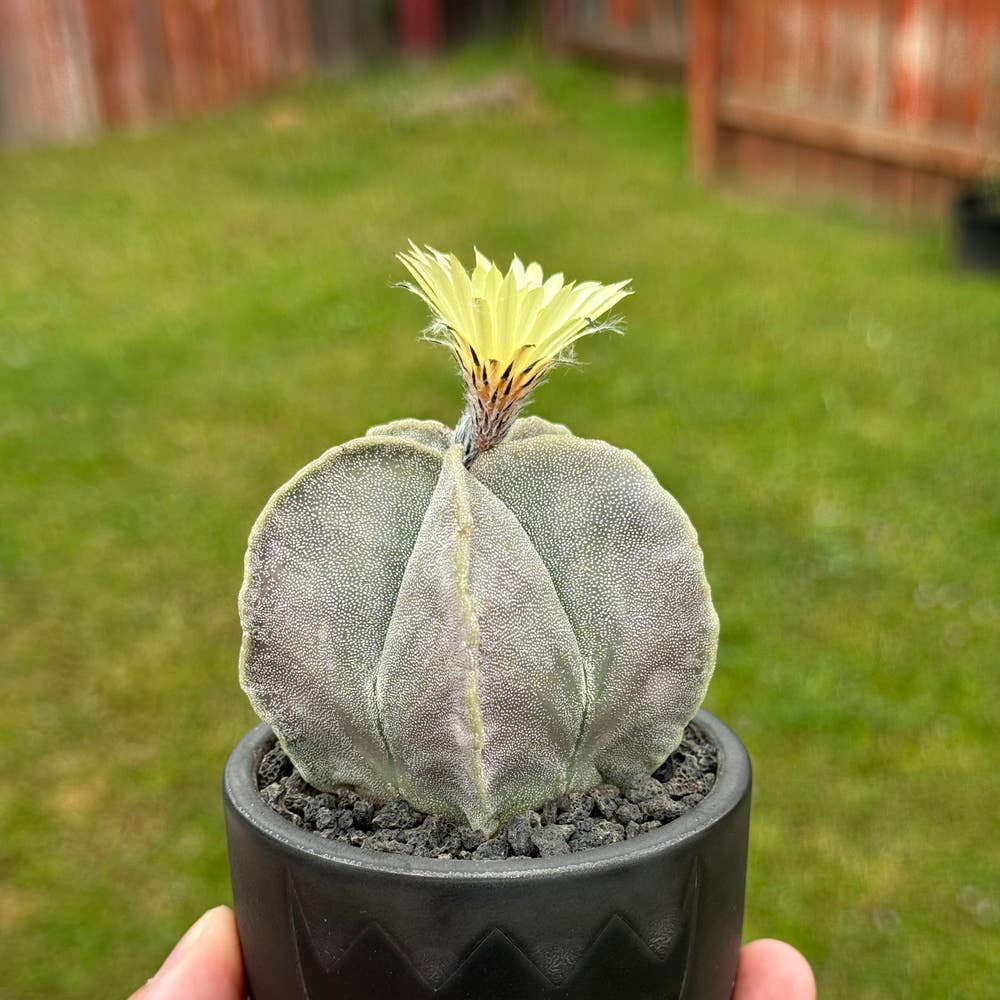
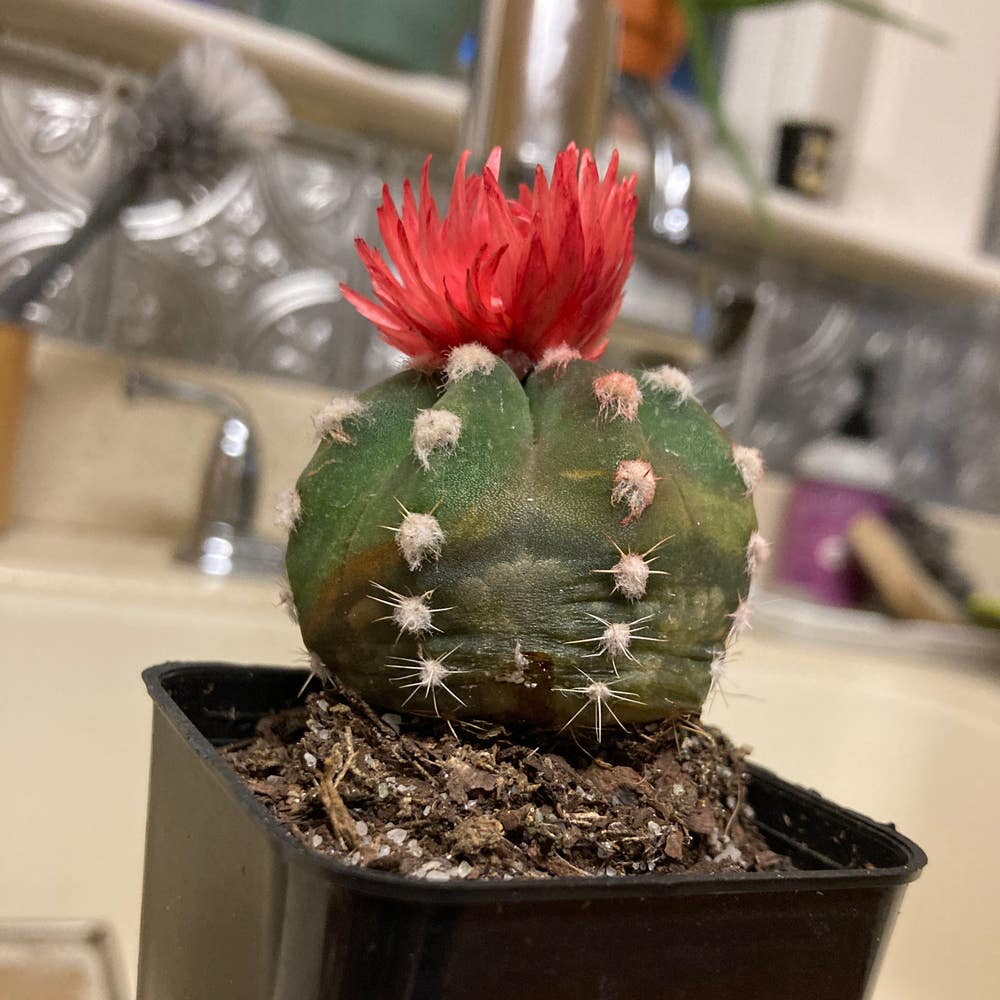
🌵 Bishop's Cap Cactus Height and Width Guide
Astrophytum myriostigma
By the Greg Editorial Team
Sep 30, 2024•5 min read
This article was created with the help of AI so we can cover more plants for you. May contain errors. See one? Report it here.
- 🌵 Bishop's Cap cacti grow 12-24 inches tall and 12-18 inches wide under ideal conditions.
- ☀️ Full sun exposure is crucial; indoor growth may slow compared to outdoor settings.
- 🌱 Dwarf and giant varieties differ significantly in size; choose based on your space.
Mature Height and Width
Typical Dimensions 🌵
The Bishop's Cap cactus typically reaches a mature height of 12 to 24 inches. Its width usually spans between 12 and 18 inches, making it a compact yet striking addition to any collection.
Factors Influencing Size 📏
Several factors can influence the size of your Bishop's Cap cactus. Growing conditions play a significant role, with variations often seen between indoor and outdoor settings.
Indoor cacti may grow more slowly due to limited light and space. In contrast, outdoor specimens often thrive, benefiting from natural sunlight and more expansive soil conditions.
Growth Rate and Time to Maturity
Average Growth Rate 🌱
The Bishop's Cap cactus thrives under optimal conditions, which can significantly boost its growth rate. Typically, you can expect it to grow about 2 to 6 inches per year when provided with the right light, soil, and watering practices.
Timeframe to Reach Full Size ⏳
In general, it takes about 3 to 5 years for a Bishop's Cap cactus to reach its mature dimensions. However, various environmental factors, such as temperature and humidity, can either accelerate or slow down this growth timeline.
Understanding these growth dynamics can help you better care for your cactus and set realistic expectations for its development. As you nurture your Bishop's Cap, keep an eye on its surroundings to ensure it thrives.
Next, we’ll explore how different conditions can lead to size variability in these fascinating plants.
Size Variability in Different Conditions
🌍 Environmental Influences
The size of a Bishop's Cap Cactus can vary significantly based on its environment. Soil type and composition play a crucial role; well-draining soil promotes healthy growth, while compact or nutrient-poor soil can stunt development.
Light exposure is another key factor. Cacti thrive in full sun, which encourages robust growth, whereas partial shade may lead to slower development and smaller dimensions.
Watering practices also impact size. Overwatering can cause root rot, leading to reduced growth, while drought conditions can stress the plant, potentially limiting its size.
📏 Examples of Size Variability
Case studies reveal fascinating insights into the growth of Bishop's Cap Cactus in different environments. For instance, cacti grown in arid climates often reach their full potential, achieving heights of up to 24 inches.
Conversely, those in more humid or shaded areas may only grow to about 12 inches. Observations indicate that climate and care practices significantly influence growth habits, showcasing the adaptability of this resilient plant.
Understanding these factors can help you optimize conditions for your Bishop's Cap Cactus, ensuring it thrives and reaches its full size potential.
As we explore ways to control size, consider how these environmental influences can guide your care practices.
Controlling Size
Pruning Techniques for Size Management ✂️
Pruning is essential for maintaining the desired size of your Bishop's Cap Cactus. The best time to prune is during the growing season, typically in spring or early summer, when the plant is most active.
Using sharp, clean tools is crucial for effective pruning. A pair of pruning shears or a sharp knife will help you make clean cuts, minimizing stress on the plant.
Other Methods to Control Growth 🌱
The size of your Bishop's Cap can also be influenced by the pot size. A smaller pot restricts root growth, which can keep the cactus more compact.
Fertilization practices play a significant role as well. Using a balanced fertilizer during the growing season can promote healthy growth, but be cautious not to over-fertilize, as this can lead to excessive size.
By combining these methods, you can effectively manage the size of your Bishop's Cap Cactus, ensuring it remains a stunning addition to your collection.
Next, let's explore the fascinating variety of Bishop's Cap Cactus, including dwarf and giant types.
Varieties
Dwarf Varieties and Their Characteristics 🌱
Dwarf Bishop's Cap cacti typically reach a height of 6-12 inches and a width of 6-10 inches. These compact beauties are perfect for small spaces or container gardening.
Caring for dwarf varieties requires attention to their specific needs. They thrive in well-draining soil and prefer bright, indirect light. Water them sparingly, allowing the soil to dry out between waterings to prevent root rot.
Giant Varieties and Their Growth Potential 🌵
On the other end of the spectrum, giant Bishop's Cap cacti can grow up to 36 inches tall and 24 inches wide. These impressive specimens make a bold statement in any garden or landscape.
When it comes to growth habits, giant varieties tend to be more forgiving with care. They enjoy full sun and can tolerate a range of soil types, but consistent watering is crucial for their health. Regular fertilization during the growing season can also promote robust growth.
Understanding the differences between dwarf and giant varieties helps you choose the right Bishop's Cap for your space. Whether you're looking for a petite companion or a towering centerpiece, there's a variety to suit your needs.
Next, we’ll explore how to control the size of your Bishop's Cap cactus, ensuring it fits perfectly in your garden or home.
⚠️ Safety First
This content is for general information and may contain errors, omissions, or outdated details. It is not medical, veterinary advice, or an endorsement of therapeutic claims.
Always consult a qualified healthcare professional before using any plant as food, medicine, or supplement.
Never eat any plant (or feed one to pets) without confirming its identity with at least two trusted sources.
If you suspect poisoning, call Poison Control (800) 222-1222, the Pet Poison Helpline (800) 213-6680, or your local emergency service immediately.
Spotted an error? Please report it here.
Unlock your Bishop's Cap cactus's maximum growth 🌱 potential with Greg's tailored care tips and watering reminders, ensuring it thrives beautifully in your home!