⚠️ What Do I Do About Bishop's Cap Cactus Root Rot?
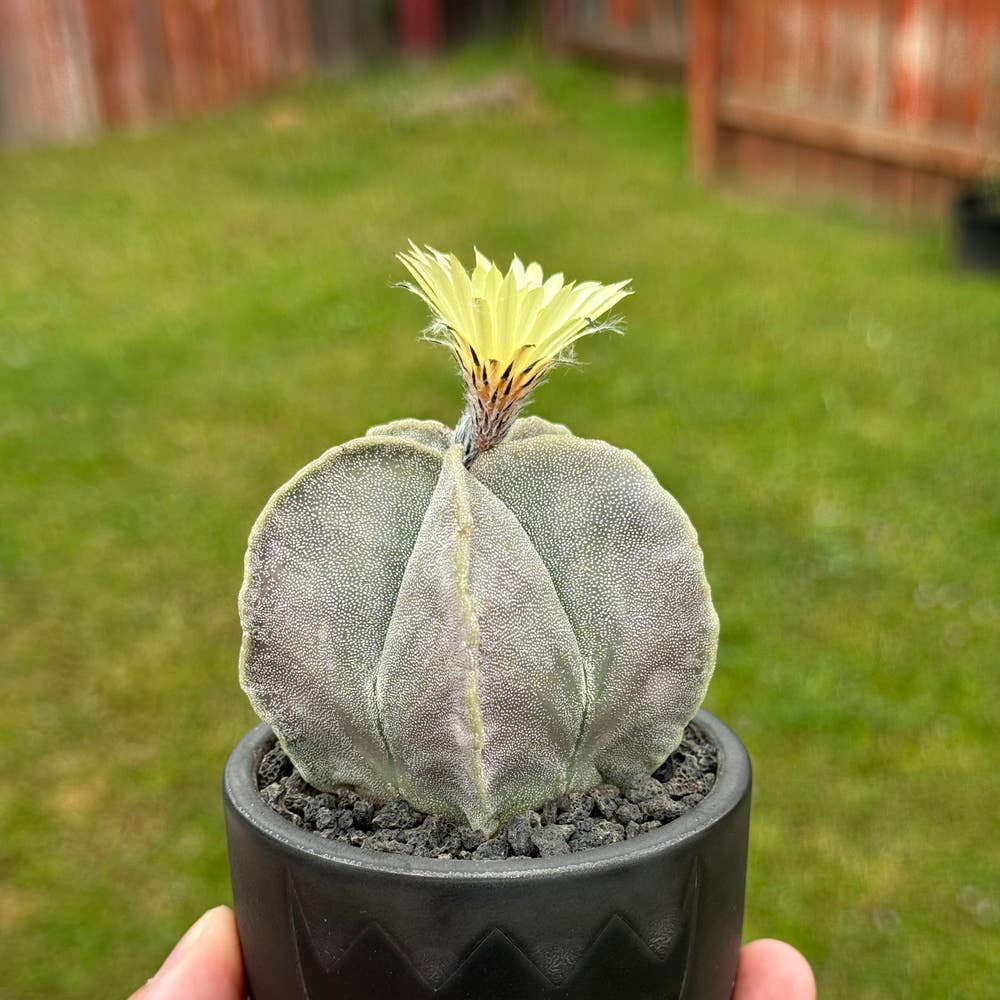
Astrophytum myriostigma
By the Greg Editorial Team
Jun 18, 2024•3 min read
This article was created with the help of AI so we can cover more plants for you. May contain errors. See one? Report it here.
- Discoloration and foul odor indicate root rot in Bishop's Cap Cactus.
- Trim decayed roots, repot in well-draining soil, and water sparingly.
- Prevent root rot with proper watering, humidity, and light management.
Spotting the Red Flags: Symptoms of Root Rot
🕵️♂️ Visual Clues
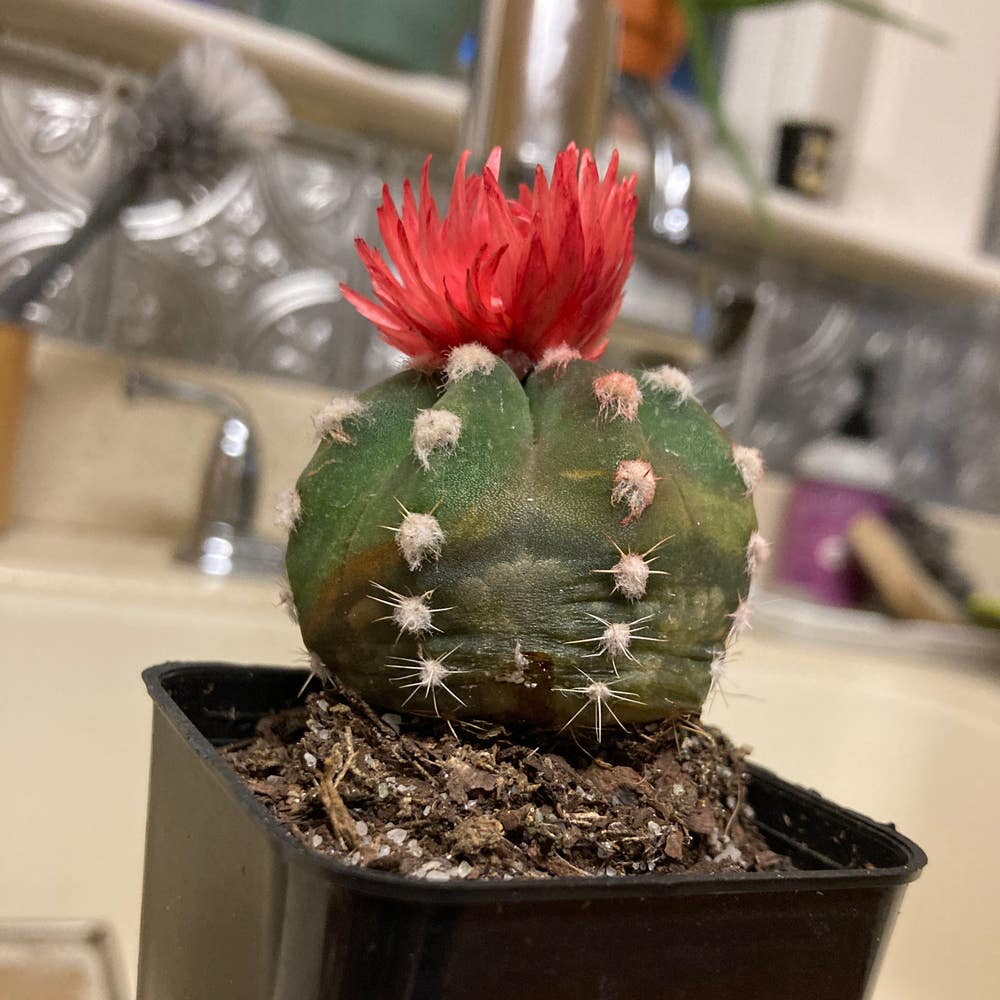
Discoloration is a telltale sign; roots should not resemble a goth's wardrobe palette. If your Bishop's Cap Cactus has roots more brown and black than a well-done steak, you're in the danger zone. Above ground, wilting or sagging growth is like a plant's white flag of surrender, and softness in the cactus body screams 'mayday'.
When Your Cactus Smells Funky
If sniffing around your cactus reminds you of last week's forgotten leftovers, that's the stench of root rot doing a mic drop. A foul odor is the botanical equivalent of an SOS flare. Don't be fooled by the dry topsoil; the real party of decay is happening underground, where it's less visible but more destructive.

Getting to the Root of the Problem: Diagnosing Root Rot
🌵 Up Close and Personal with the Roots
Unearth your Bishop's Cap Cactus gently to avoid additional stress. Healthy roots should be firm and light in color. Mushiness and dark discoloration are the telltale signs of root rot. A bad smell is a clear distress signal; it's time to take action.
🚑 Making the Call
If the roots look more like leftovers than living tissue, you're likely dealing with root rot. Trust your senses; if it looks wrong and smells worse, it's time to move to the treatment stage. Remember, hesitation can be the difference between recovery and cactus compost.

The Rescue Mission: Treating Root Rot
🏥 Surgical Precision
In the trenches of root rot, precision is your ally. Snip away the decayed roots with sterilized shears, like a surgeon excising dead tissue. The goal is to remove all the rot without compromising the cactus's remaining healthy roots.
💧 The Right Soil for a Fresh Start
Repotting is like hitting the reset button. Opt for a well-draining soil mix, the kind that scoffs at water retention. Ensure the new pot mocks a colander with its drainage prowess. It's all about giving those roots a breathable, fresh start.
🚱 Watering Wisdom
Post-surgery, your watering can is both a lifeline and a potential weapon. Water sparingly, only when the soil feels like a dry desert to the touch. Overzealous watering is the fast track back to root rot city, so keep it light and right.

Keeping It Dry and High: Preventing Future Root Rot
💧 Perfecting the Watering Schedule
Watering isn't just a chore; it's a critical balancing act. Overwatering is the fast track to root rot, so let's get it right. Stick to a schedule that allows the soil to dry slightly between drinks. During hotter months, your cactus may thirst more often, while cooler times call for restraint.
🏡 Home Sweet Home: The Ideal Environment
Creating a root rot-resistant environment is all about the vibe. Humidity and light are your dials to tweak. Ensure your Bishop's Cap Cactus gets enough light without the scorch of midday sun. Keep air circulation on point to ward off stagnant moisture. Remember, your cactus craves a dry, warm spot to call home.
⚠️ Safety First
This content is for general information and may contain errors, omissions, or outdated details. It is not medical, veterinary advice, or an endorsement of therapeutic claims.
Always consult a qualified healthcare professional before using any plant as food, medicine, or supplement.
Never eat any plant (or feed one to pets) without confirming its identity with at least two trusted sources.
If you suspect poisoning, call Poison Control (800) 222-1222, the Pet Poison Helpline (800) 213-6680, or your local emergency service immediately.
Spotted an error? Please report it here.
Banish root rot from your bishop's cap cactus by following these care tips and let Greg 🌵 guide you with personalized watering reminders and community support for a resilient recovery.