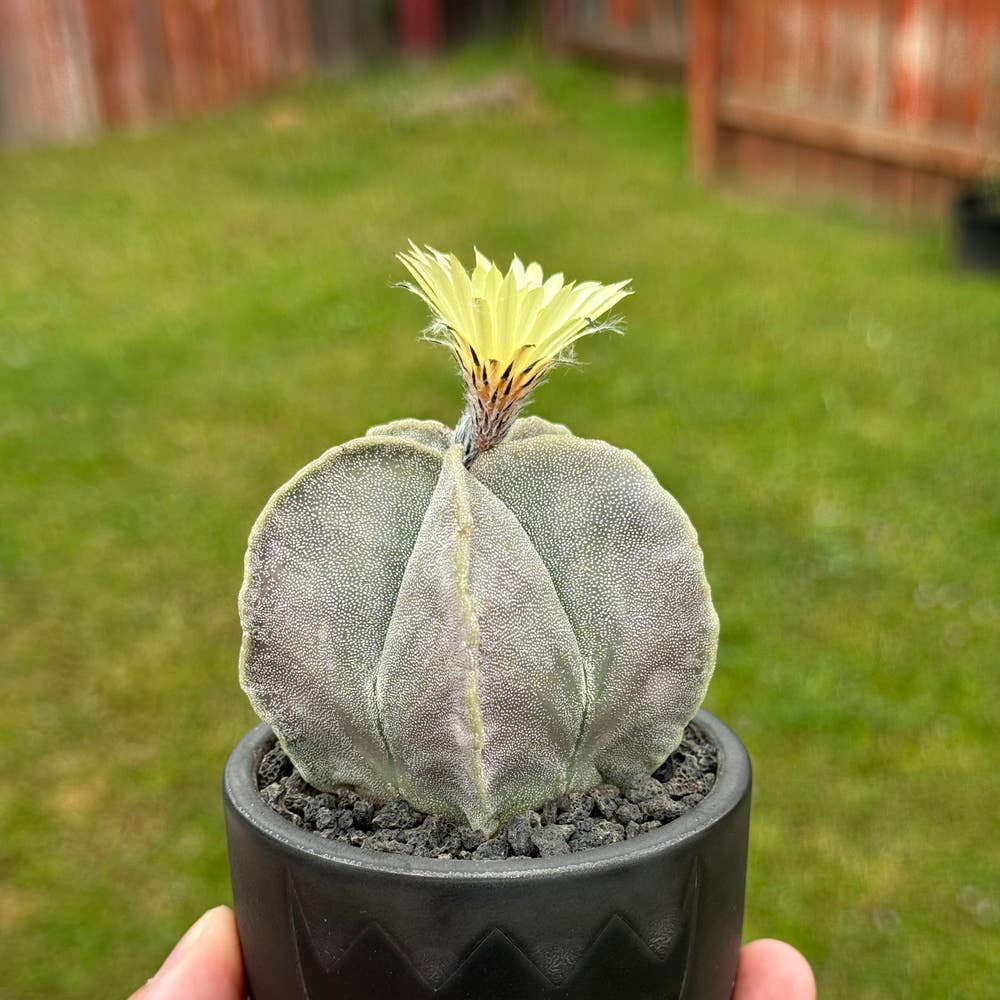
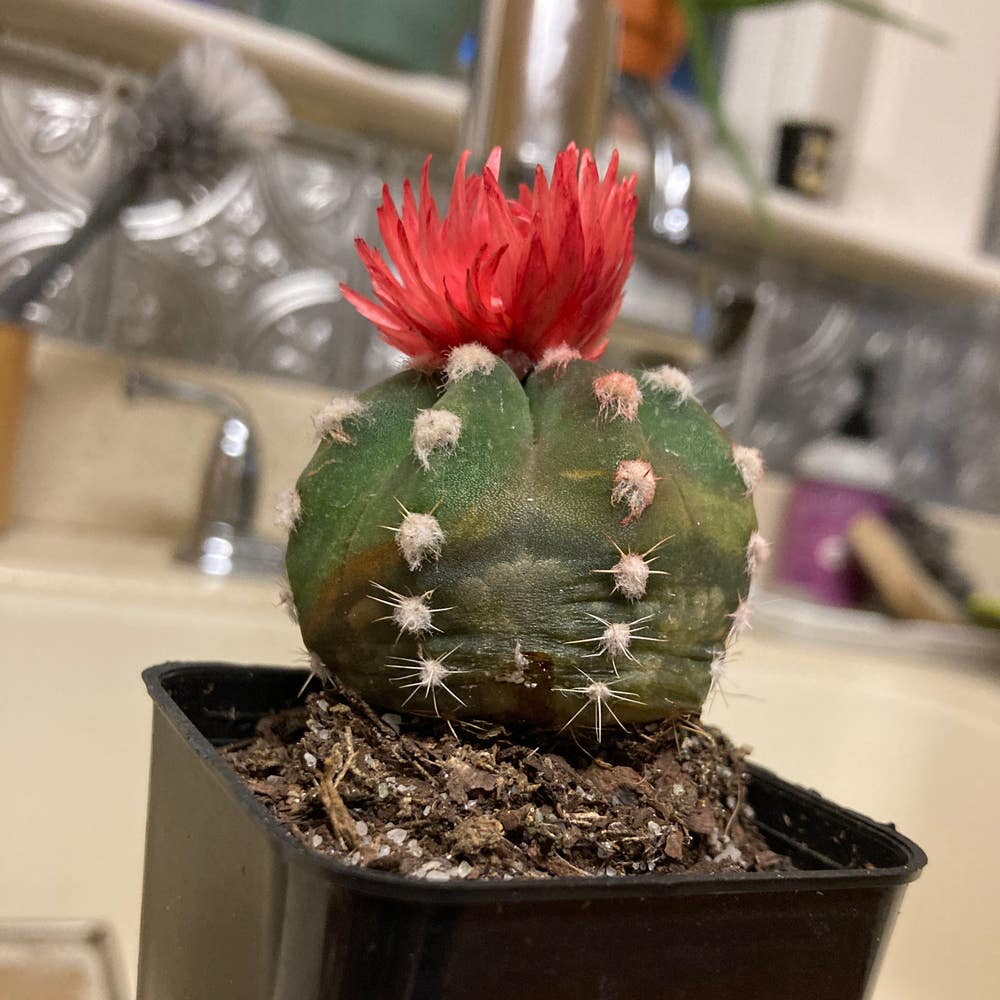
How Should Bishop's Cap Cactus Be Cut Back?
Astrophytum myriostigma
By the Greg Editorial Team
Jun 18, 2024•3 min read
This article was created with the help of AI so we can cover more plants for you. May contain errors. See one? Report it here.
- Spring pruning promotes growth, ideal for Bishop's Cap Cactus recovery.
- 🌵 Use sharp shears and safety gear to prune and protect yourself.
- Trim above a node, avoid water post-pruning for proper healing.
Timing Your Pruning Just Right
🌱 Best Seasons for Snipping
Spring ushers in new growth, making it the ideal season for pruning your Bishop's Cap Cactus. This timing allows the plant to heal and push energy into fresh, vibrant growth. Early spring is your golden window—just as the cactus shakes off winter's chill and before it channels its gusto into blooming.
Growth and Health Check
Visual cues are your best friends when determining if your cactus is ready for a trim. Look for overgrown segments, damaged areas, or parts that seem to be sapping the plant's vitality. These are signs shouting for a snip. Also, keep an eye out for any discoloration or dry, withered sections—these are your cactus's way of pleading for a little grooming.

Gear Up: Tools and Safety for Pruning
🌵 Choosing Your Tools
Pruning Bishop's Cap Cactus demands precision. Sharp pruning shears are your go-to; they're like a surgeon's scalpel for your spiky friend. Ensure they're clean to dodge introducing any nasties to fresh cuts. For the love of cacti, skip the butter knives and hacksaws.
🛡️ Staying Safe
Those spines aren't just for show; they mean business. Gloves are non-negotiable—thick enough to fend off spikes, but not so bulky you can't handle your shears with finesse. Eye protection? It's not just for chemistry class. A rogue spine in the eye is a quick trip to regretsville. Stay sharp, stay safe.

The Art of Pruning Bishop's Cap Cactus
✂️ Where to Make the Cut
Pruning your Bishop's Cap Cactus isn't just about hacking away at its geometric form; precision is key. Strategic cuts guide growth and encourage the cactus to flourish. Aim to snip above a node, signaling the plant to branch out. Use sharp, clean shears to make quick, decisive cuts. This will minimize stress on the cactus and reduce the risk of infection.
🌵 Shaping for Beauty
The Bishop's Cap Cactus, with its unique shape, doesn't need to become a topiary project. However, a little trim can enhance its natural symmetry. Remove any wayward branches to maintain balance. Keep the plant's proportions in mind to prevent it from becoming top-heavy and risking a tumble.
🌱 After the Snip: Caring for Cut Areas
Post-pruning, it's not time to kick back just yet. Treat the cut areas with care. Avoid watering immediately to let the wounds dry and callous over. This is crucial in preventing infections. Dispose of the removed pieces responsibly, especially since the sap can be irritating to the skin. And remember, those sharp tools you used? Clean them with rubbing alcohol to remove any residual sap.

Monitoring Your Cactus Post-Pruning
🌱 Healing and Recovery
Watch closely for your Bishop's Cap Cactus's response after pruning. New growth is the green light signaling recovery. Conversely, signs like wilting or discoloration are red flags. Water sparingly during this period; overwatering can be more harmful than neglect for these desert dwellers.
🕰 When to Prune Again
Don't rush the next pruning session. Wait for the cactus to fully bounce back, showing robust health and vigor. Typically, this means waiting until the next active growth phase, which could be several months. Keep an eye out for overgrowth or damage as your cues to gear up for another round of pruning.
⚠️ Safety First
This content is for general information and may contain errors, omissions, or outdated details. It is not medical, veterinary advice, or an endorsement of therapeutic claims.
Always consult a qualified healthcare professional before using any plant as food, medicine, or supplement.
Never eat any plant (or feed one to pets) without confirming its identity with at least two trusted sources.
If you suspect poisoning, call Poison Control (800) 222-1222, the Pet Poison Helpline (800) 213-6680, or your local emergency service immediately.
Spotted an error? Please report it here.
Ensure your Bishop's Cap Cactus thrives with strategic spring snips ✂️, supported by Greg's tailored care reminders that guide you in nurturing new growth.