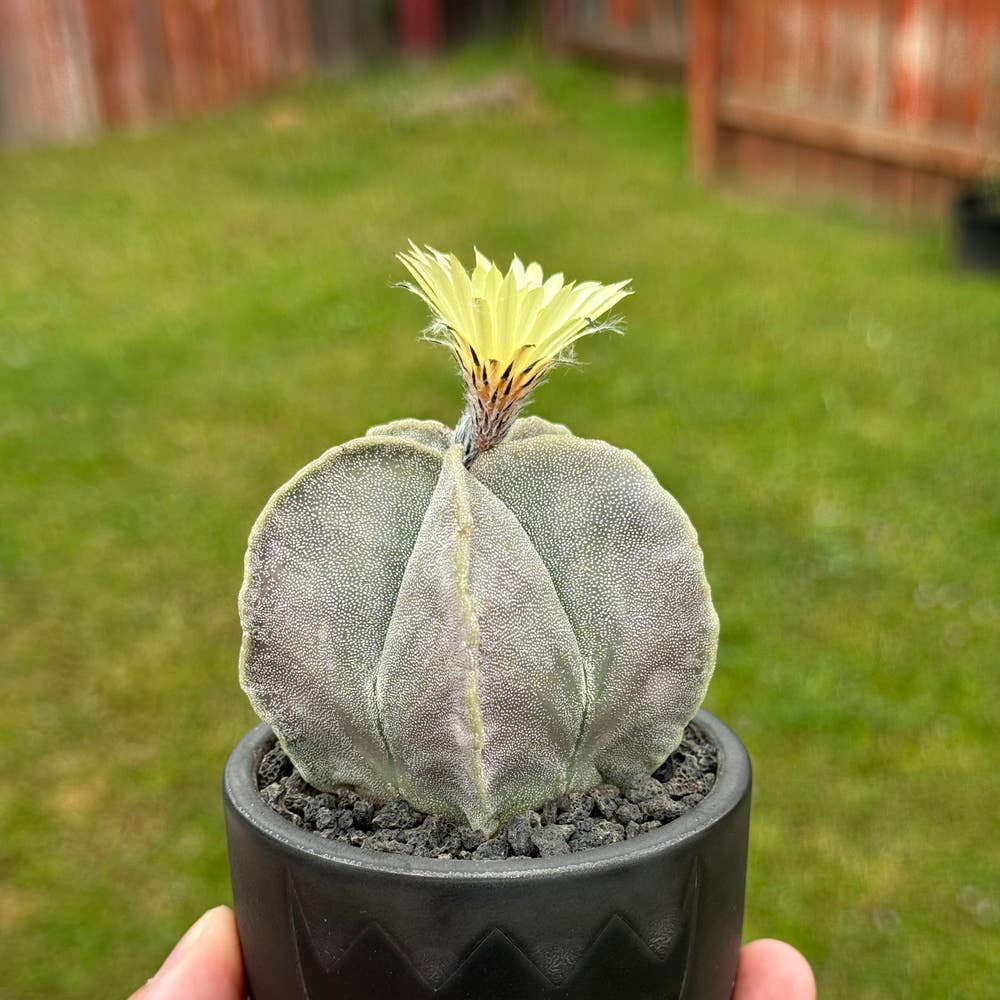
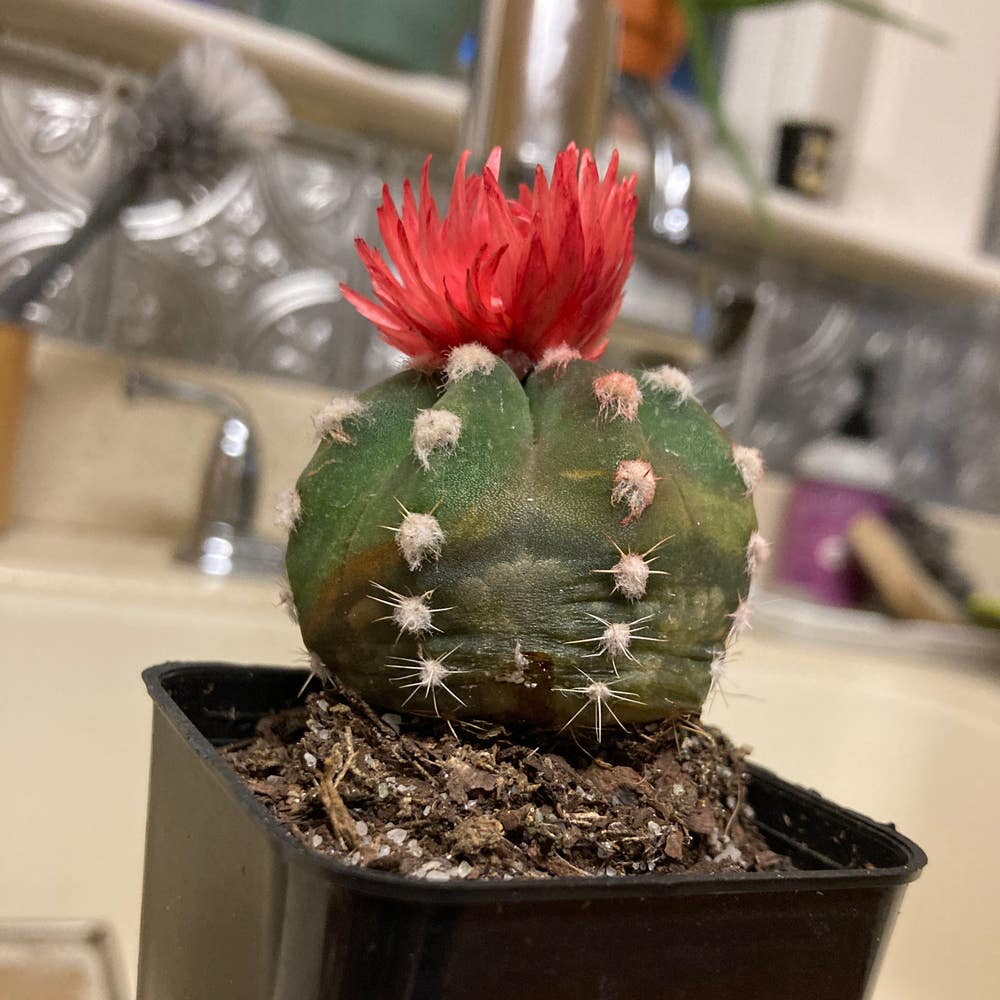
🌵 How to Grow Bishop's Cap Cactus: From Soil to Sun
Astrophytum myriostigma
By the Greg Editorial Team
Sep 30, 2024•5 min read
This article was created with the help of AI so we can cover more plants for you. May contain errors. See one? Report it here.
- 🌵 Use well-draining soil with pH 6.0-7.0 for Bishop's Cap cactus growth.
- ☀️ Provide 6-8 hours of sunlight daily for vibrant health and growth.
- 💧 Water every 2-4 weeks; adjust based on signs of over or underwatering.
Soil and Location
Ideal Soil Composition 🌱
To grow a thriving Bishop's Cap cactus, start with the right soil. A well-draining cactus mix or sandy loam is ideal, ensuring excess water flows away from the roots.
The pH level should be slightly acidic to neutral, ideally between 6.0 and 7.0. This balance helps your cactus absorb nutrients effectively.
Choosing the Right Location (Indoor vs Outdoor) 🏡
When deciding where to place your cactus, consider its light needs. Indoors, it thrives in bright, indirect light, so avoid spots with drafts that could stress the plant.
Outdoors, Bishop's Cap loves full sun exposure. However, be sure to protect it from heavy rain, which can lead to rot.
Sunlight Requirements and Exposure ☀️
For optimal growth, aim for 6-8 hours of direct sunlight daily. This exposure keeps your cactus vibrant and healthy.
If you notice your cactus stretching or developing pale coloration, it may not be getting enough light. Adjust its location to ensure it receives adequate sunlight.
With the right soil and location, your Bishop's Cap cactus will flourish. Next, let’s dive into the best planting techniques to set your cactus up for success.
Planting Techniques
Step-by-Step Planting Instructions 🌱
Planting your Bishop's Cap cactus is straightforward and rewarding. Start by preparing your planting area or container, ensuring it has drainage holes to prevent waterlogging.
Next, fill the container with a well-draining soil mix. This is crucial for cactus health, as they thrive in dry conditions.
Create a hole in the soil for your cactus, making sure it fits snugly. This helps anchor the plant and supports its growth.
Once the cactus is positioned, backfill the hole with soil, but avoid pressing down too hard. This prevents damage to the delicate roots.
Finally, water lightly after planting. This initial watering helps settle the soil around the roots without overwhelming the plant.
Container vs Ground Planting Considerations 🏡
Choosing between container and ground planting depends on your space and preferences.
Container planting offers mobility and a controlled environment, making it easier to manage light and water conditions.
On the other hand, ground planting provides natural growth conditions and ample space for your cactus to expand. This can lead to a more robust plant over time.
Spacing and Depth for Optimal Growth 📏
Proper spacing is vital for healthy growth. For ground planting, aim to space your cacti 12-18 inches apart. This allows each plant enough room to thrive without competing for resources.
When planting, ensure the cactus is level with the soil surface. This prevents rot and promotes healthy root development.
With these planting techniques in mind, you're well on your way to cultivating a thriving Bishop's Cap cactus. Next, let’s explore how to care for your cactus through watering and fertilizing.
Watering and Fertilizing
Watering Frequency and Techniques 🌊
To keep your Bishop's Cap cactus thriving, water it every 2-4 weeks during the growing season. Use the soak and dry method: thoroughly soak the soil, then let it dry out completely before the next watering.
Signs of Overwatering and Underwatering 🚨
Watch for signs of overwatering, like yellowing or mushy stems, which can lead to root rot. Conversely, if your cactus appears wrinkled or shriveled, it’s likely underwatered and needs a drink.
Fertilization Schedule and Types of Fertilizers 🌱
Fertilize your cactus every 4-6 weeks during the growing season for optimal growth. A balanced cactus fertilizer or a diluted liquid fertilizer works best to provide essential nutrients without overwhelming the plant.
By mastering these watering and fertilizing techniques, you’ll set your Bishop's Cap cactus up for success. Next, let’s explore how to prune and maintain your cactus for continued health and beauty.
Pruning and Maintenance
When and How to Prune 🌱
Pruning your Bishop's Cap cactus is best done in early spring, just before new growth begins. Focus on removing any dead or damaged spines to promote a healthier appearance and shape the plant for aesthetics.
Ongoing Care Routine for Healthy Growth 🕵️♂️
Regularly checking for pests and diseases is essential for your cactus's health. Adjust your watering routine based on the changing seasons to ensure optimal growth.
Seasonal Care Adjustments 🌦️
In winter, reduce watering and protect your cactus from frost to prevent damage. Conversely, during summer, increase watering frequency while ensuring proper drainage to keep your plant thriving.
With these pruning and maintenance tips, your Bishop's Cap cactus will flourish beautifully. Next, let’s explore common challenges and solutions to keep your cactus in top shape.
Common Challenges and Solutions
🐛 Identifying and Managing Pests
Pests can be a real headache for Bishop's Cap cactus owners. The most common culprits include:
Common Pests
- Mealybugs: Look for cotton-like masses on the stems.
- Spider mites: These pests leave fine webbing and cause stippled leaves.
🧼 Control Methods
To tackle these pests, consider using neem oil or insecticidal soap. Regular inspections are key; catching infestations early can save your cactus from serious damage.
🦠 Addressing Diseases
Diseases can also pose a threat to your cactus's health. One of the most prevalent issues is:
Common Diseases
- Root rot: This condition arises from overwatering and manifests as wilting.
🚫 Prevention and Treatment
Prevent root rot by ensuring proper drainage and using sterilized soil. These steps can make a significant difference in maintaining your cactus's health.
🌪️ Tips for Overcoming Environmental Stressors
Environmental stressors can impact your cactus's growth. Here are some practical tips:
- Protect your cactus from extreme temperatures and sudden changes.
- Use mulch to retain moisture and regulate soil temperature.
By staying vigilant and proactive, you can ensure your Bishop's Cap cactus thrives despite these challenges. Next, let’s explore the ongoing care routine that will keep your cactus healthy and vibrant.
⚠️ Safety First
This content is for general information and may contain errors, omissions, or outdated details. It is not medical, veterinary advice, or an endorsement of therapeutic claims.
Always consult a qualified healthcare professional before using any plant as food, medicine, or supplement.
Never eat any plant (or feed one to pets) without confirming its identity with at least two trusted sources.
If you suspect poisoning, call Poison Control (800) 222-1222, the Pet Poison Helpline (800) 213-6680, or your local emergency service immediately.
Spotted an error? Please report it here.
Grow your Bishop's Cap cactus to be thriving 🌵 with Greg's tailored care reminders and expert tips that ensure it gets the perfect light and water it craves!